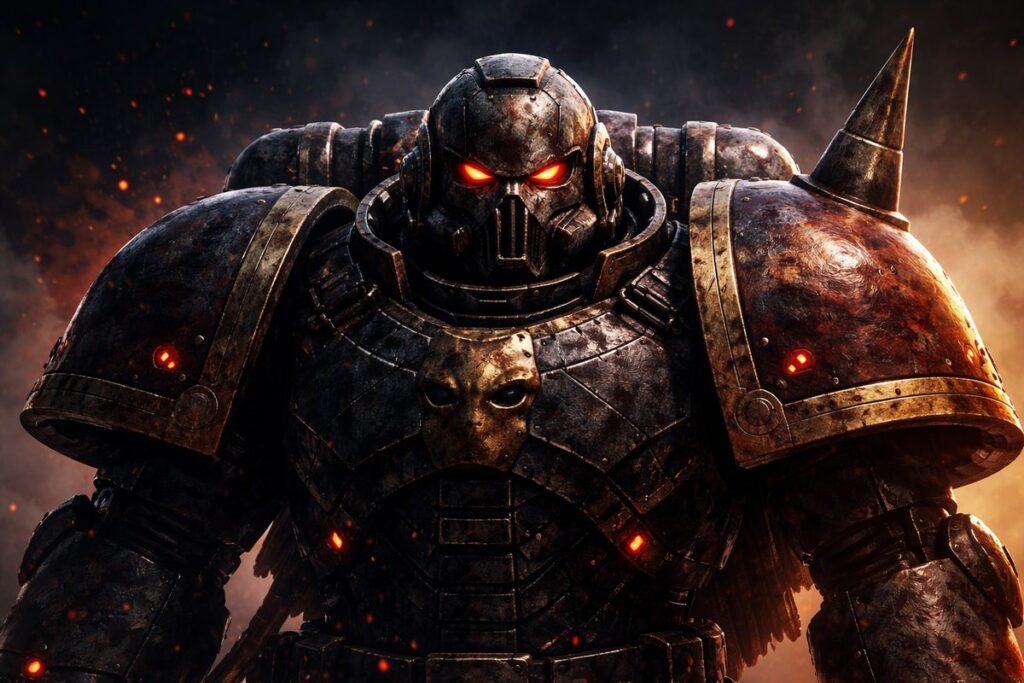

Indie developer Tundra Interactive has revealed why its upcoming sci-fi strategy RPG Void War briefly disappeared from Steam earlier this year. The studio says Valve removed the game’s store page after receiving a Digital Millennium Copyright Act (DMCA) complaint submitted on behalf of Games Workshop, the British company behind the Warhammer franchise. The dispute focused on a short sequence in an older promotional trailer that allegedly featured armor resembling the iconic shoulder design associated with Warhammer’s Space Marines.
How the copyright dispute unfolded
According to Tundra Interactive, the original notice was filed by an individual identified as Mal Reynolds, acting on behalf of Games Workshop. Because the name matches the fictional captain from the television series Firefly, the development team initially believed the request was a prank or a fraudulent claim. After further communication, however, the studio confirmed the notice had been submitted through legitimate channels.
The complaint reportedly highlighted a scene showing a heavily armored character wearing large rounded shoulder plates with metallic edging. Tundra says the artwork was created entirely by its own artists and was not copied from Games Workshop assets, but the company chose not to challenge the claim through a lengthy legal process. Instead, it removed the original trailer to allow the Steam listing to return as quickly as possible.
Why the design became a legal issue
Bulky power armor has become a common visual style across science-fiction games, films and tabletop universes. Even so, Games Workshop has a long history of actively protecting the distinctive appearance of its Warhammer intellectual property. In this case, Tundra believes similarities were limited to the general silhouette rather than any direct copying, but acknowledged that the promotional footage could be interpreted differently by others.
Rather than spending months contesting the DMCA complaint, the studio decided its development time would be better spent finishing the game. That meant replacing the disputed trailer with an updated version while continuing work on gameplay improvements and localization features planned before launch.
Tundra says the current priority remains completing Void War, including expanded language support and other features that have been on the roadmap throughout development. The developer has indicated it may revisit the original trailer later with revised visuals once there is time to make further edits.
The game’s Steam page has since been restored, and the updated trailer has replaced the earlier version that prompted the complaint. No wider changes to the game’s content have been announced.
A reminder for independent game studios
The incident highlights how copyright disputes can affect even small independent developers long before a game launches. Promotional videos, concept art and store assets are increasingly scrutinized alongside the games themselves, particularly when they draw inspiration from well-established entertainment franchises. For many studios, revising marketing material can be a faster and less expensive option than entering a prolonged legal dispute, even when they believe their work is original.
Developers and publishers have seen similar intellectual property disagreements across the gaming industry in recent years as companies become more aggressive in protecting recognizable character designs, logos and visual branding. That trend makes early legal reviews of trailers and promotional artwork increasingly important for smaller teams.
For more gaming industry developments, see our coverage of Riot Games’ 2XKO layoffs.
Additional reporting and background information are available from Eurogamer.
Read More:
- GMA Deals & Steals: Kitchen & Home deals for July 10, 2026
- National French Fry Day 2026: Best free fries and restaurant deals
- Visit the Swikblog homepage for more latest news

Make Swikblog your go-to source on Google for reliable updates, smart insights, and daily trends.