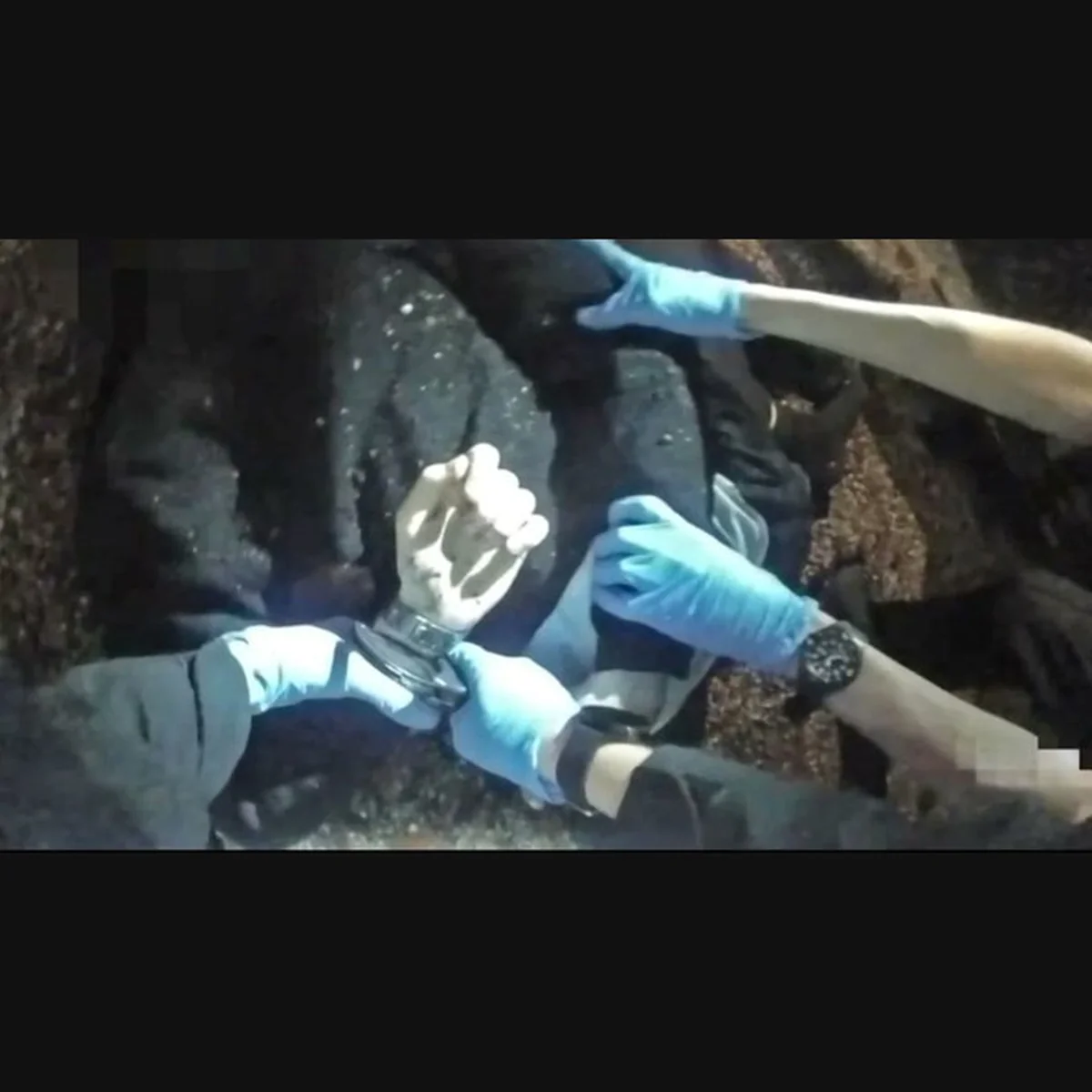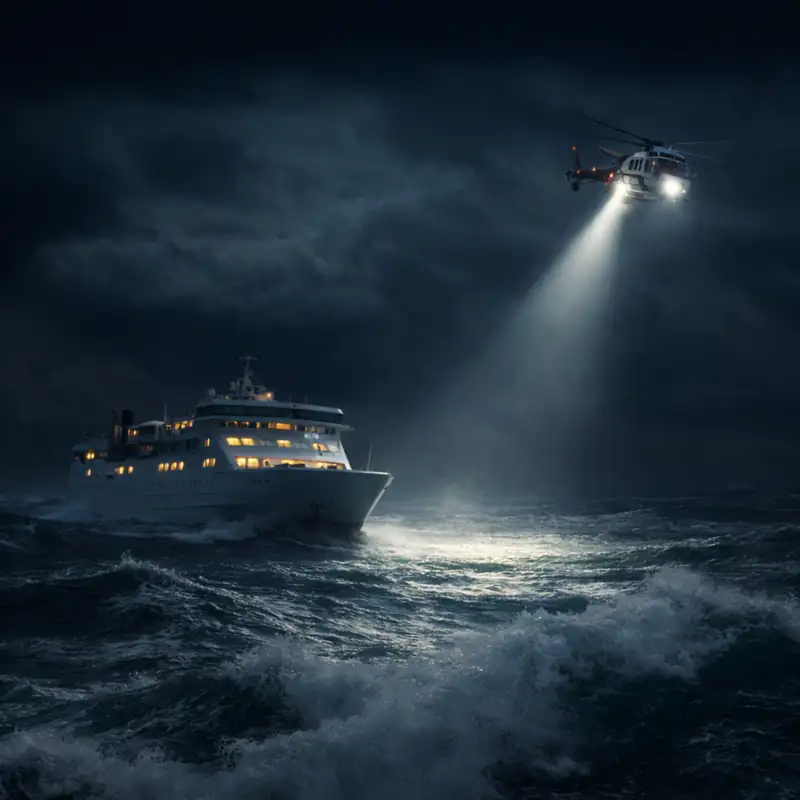

A late-night ferry journey across Cook Strait has turned into a devastating incident, with police now saying it is “extremely unlikely” that a man who went overboard from the Interislander ferry Kaiārahi has survived.
The man entered the water just after 11pm on Monday night, around two hours after the ferry departed Picton. But what makes this case even more tragic is that no one immediately realised he was missing. It was not until about 2.20am on Tuesday that police were alerted — hours after the incident had already occurred.
By then, valuable time had already passed in one of New Zealand’s most unpredictable and dangerous stretches of water.
Timeline reveals critical delay in response
Police say the ferry was fully booked, and the delay in raising the alarm came during the standard disembarkation process. That process took about 50 minutes, after which crew noticed a vehicle still onboard with no passenger present.
This triggered a search of the vessel and attempts to contact the man. It was only after further checks — including reviewing CCTV footage — that the situation became clear. The footage confirmed the man had gone overboard hours earlier.
Once this was established, authorities escalated the situation quickly. The Police Maritime Unit and the Rescue Coordination Centre New Zealand (RCCNZ) were formally engaged shortly after 4am, launching a full-scale search and rescue operation.
According to reporting from RNZ, multiple police, Coastguard and aerial assets were deployed, with teams working through the morning to locate the missing man.
Massive search effort in worsening conditions
The search operation was extensive. Coastguard Wellington volunteers joined the effort with rescue vessels Reremoana and Spirit of Wellington, while helicopters scanned the area from above in grid patterns.
Authorities also used drift modelling to predict where the man might have been carried by currents — a critical tool in open-water searches, especially in fast-moving environments like Cook Strait.
But despite the scale of the response, conditions began to work against rescuers. Police said weather conditions deteriorated throughout the day, making surface searching increasingly difficult and reducing the chances of a successful outcome.
By the end of the search, expert advice indicated that survivability was extremely unlikely.
The maritime surface search has now been completed, and active search efforts have been stood down. However, broadcasts have been issued asking vessels in the area to continue keeping watch.
Crew and responders left shaken
The emotional toll of the incident has been significant. The Maritime Union of New Zealand confirmed that crew members aboard the ferry were “understandably shaken” by what happened.
Union representatives said support was being provided, especially for crew who had direct interaction with the passenger. For many on board, what began as a routine crossing quickly turned into a distressing emergency.
KiwiRail, which operates the Interislander service, confirmed the incident involved the Kaiārahi ferry but has directed further comment to police as investigations continue.
Cook Strait’s harsh reality
The Cook Strait is known for its challenging conditions — strong currents, cold water and rapidly changing weather. Even in daylight, it presents risks. At night, those risks increase significantly.
In this case, the timing of the incident and the delay in detection likely played a critical role. Falling overboard in darkness, combined with hours passing before a search began, created an almost impossible survival scenario.
Police said drift modelling guided search activity, but worsening weather further reduced the effectiveness of rescue operations as the day progressed.
These factors combined to shape the grim conclusion now being shared with the public.
Family notified as case moves forward
Police confirmed they are in contact with the man’s next of kin, and the Coroner has been advised. While the search phase has ended, the case will now move into a formal process to establish all details surrounding the incident.
Authorities have also made it clear that they are not seeking anyone else in relation to the matter, indicating there is no suspicion of foul play at this stage.
Earlier coverage from Stuff highlighted how emergency services, including Coastguard volunteers, responded rapidly once alerted. But the reality remains that the incident itself occurred hours before anyone knew.
That gap has become one of the most sobering aspects of this tragedy.
For now, the focus remains on the human side of the story — a missing man, a family facing uncertainty, and a ferry crew left dealing with the aftermath of a shocking event at sea.
What started as a normal overnight journey has ended in a deeply unsettling reminder of how quickly things can change on open water, and how unforgiving those conditions can be when time is lost.

Make Swikblog your go-to source on Google for reliable updates, smart insights, and daily trends.