
By Swikriti Dandotia
The International Sports Day 2026 theme has been officially revealed as “Building Bridges, Breaking Barriers,” and this year’s message feels more relevant than ever. At a time when societies across the world are facing division, inequality, and social disconnect, sport is being positioned not just as entertainment—but as a powerful tool for unity and change.
Observed every year on 6 April, the International Day of Sport for Development and Peace (IDSDP) highlights how sport can go beyond stadiums and scoreboards. It can connect communities, create opportunities, and open conversations that might otherwise never happen.
The 2026 theme focuses on one simple but powerful idea: sport has the ability to bring people together across cultures, generations, and borders while breaking down the barriers that exclude individuals from participating in society.
Why the International Sports Day 2026 Theme Matters Globally
The phrase “Building Bridges, Breaking Barriers” reflects the dual role sport plays in today’s world. On one hand, it creates connections—between people, communities, and nations. On the other, it challenges obstacles such as inequality, discrimination, and social exclusion.
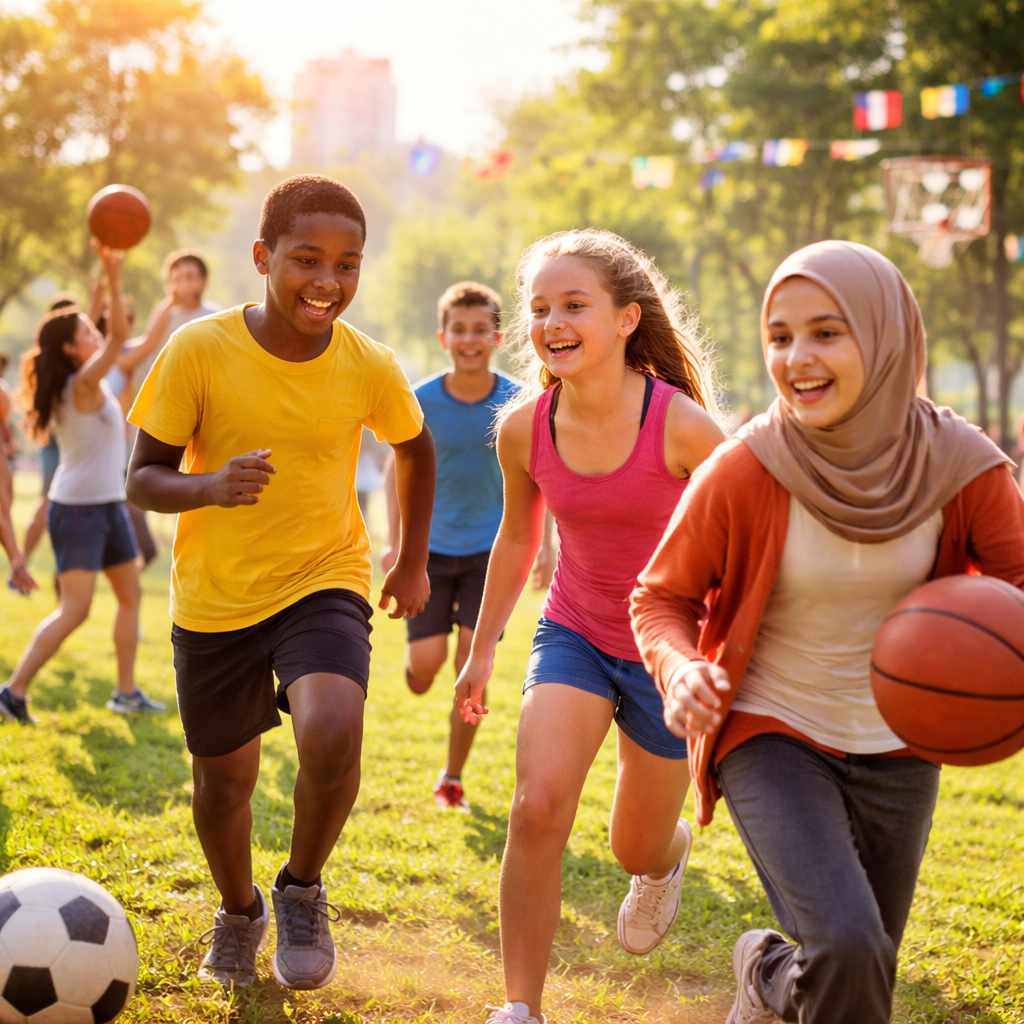
Sport is often described as a universal language. You do not need to speak the same language or come from the same background to understand teamwork, competition, or fair play. This makes sport one of the few tools that can naturally foster inclusion without forcing it.
Across the globe, local initiatives are already using sport to bring real change. From youth programs in underserved communities to women-led sports movements and inclusive events for people with disabilities, sport is quietly shaping more connected and equal societies.
The 2026 observance will also highlight evidence-based approaches—showing how sport measurably contributes to global development goals rather than just being symbolic. :contentReference[oaicite:0]{index=0}
UN’s Vision: Sport as a Tool for Development and Peace
The United Nations officially declared 6 April as the International Day of Sport for Development and Peace through a General Assembly resolution. The goal was clear: to recognize sport’s growing impact on human rights, social progress, and economic development. :contentReference[oaicite:1]{index=1}
Sport’s influence comes from its massive global reach and the positive values it promotes—discipline, respect, teamwork, and resilience. These values make it a natural platform for encouraging dialogue, cooperation, and peaceful coexistence.
The UN also actively encourages governments, organizations, civil society groups, and the private sector to participate in raising awareness and using sport as a development tool. This collaborative approach ensures that the impact goes beyond professional sports and reaches grassroots levels.
For more official details on the observance, you can visit the United Nations International Sports Day page.
How Sport Supports the 2030 Sustainable Development Goals
One of the most important aspects of the International Sports Day 2026 theme is its connection to the 2030 Agenda for Sustainable Development. Sport is now widely recognized as an enabler of several key global goals.
It contributes to:
- Health and well-being by encouraging active lifestyles
- Gender equality by empowering women and girls through participation
- Reduced inequalities by including marginalized groups
- Quality education through life skills and discipline
- Peaceful societies by promoting tolerance and mutual respect
Sport is considered a cost-effective and flexible tool that can adapt to different cultural and social contexts while still delivering measurable impact. :contentReference[oaicite:2]{index=2}
Initiatives like the global football movement supporting sustainable development show how even large sports ecosystems are aligning with these goals. Programs at both grassroots and professional levels are now actively integrating sustainability, inclusion, and social responsibility into their operations.
Breaking Barriers Through Real-World Impact
The strength of the 2026 theme lies in its real-world relevance. Breaking barriers is not just a concept—it is something happening on the ground every day.
In many regions, sport is helping girls access opportunities they were previously denied. In others, it is bringing together communities divided by conflict or cultural differences. For people with disabilities, inclusive sports programs are creating spaces where participation and recognition become possible.
Sport also plays a role in reducing social isolation, particularly among youth. It builds confidence, creates leadership skills, and offers a sense of belonging. These outcomes may seem small individually, but at scale, they contribute to stronger and more resilient societies.
Equally important is sport’s ability to create dialogue. When people play together, they communicate, collaborate, and understand each other in ways that formal discussions often cannot achieve.
Global Momentum Builds Ahead of April 6, 2026
As the world approaches International Sports Day 2026, the theme is expected to drive global participation across schools, sports organizations, governments, and communities. Events, campaigns, and awareness programs will likely focus on inclusion, equality, and the unifying power of sport.
The idea is not just to celebrate sport, but to use it intentionally—to create connections, reduce divisions, and ensure that no one is left out.
In a world where differences often dominate headlines, sport continues to offer something rare: a shared space where people can come together, compete fairly, and support one another. That is the real meaning behind “Building Bridges, Breaking Barriers,” and it is why the International Sports Day 2026 theme is already gaining global momentum.

Make Swikblog your go-to source on Google for reliable updates, smart insights, and daily trends.