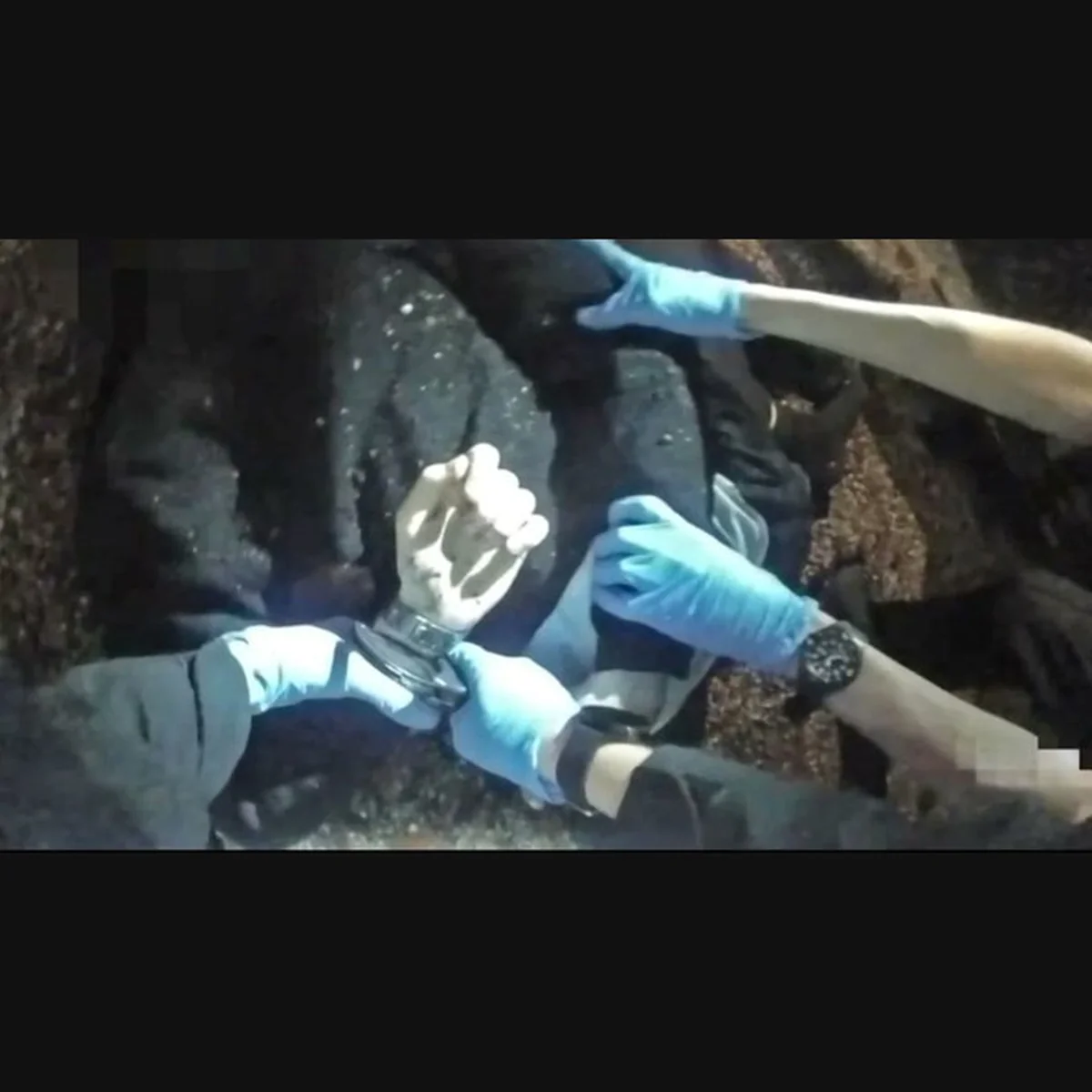
Decades after John Smyth was exposed as one of the Church of England’s most prolific abusers, his widow has broken her silence – reopening painful questions about how so many boys and young men were left unprotected for so long.
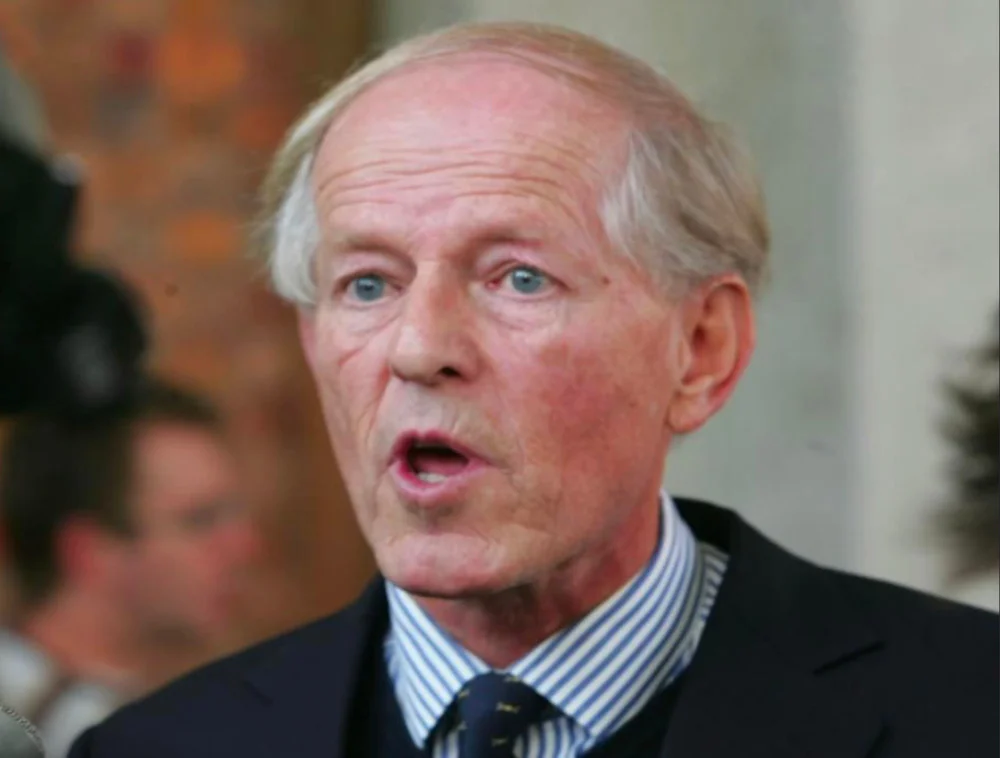
A widow’s apology that took decades
In a deeply uncomfortable new interview, John Smyth’s widow has admitted that her husband was “the Church of England’s worst abuser” and said she is “so sorry” she never stood up to him. Speaking publicly for the first time since the scale of his crimes emerged, she describes years of denial, fear and silence inside the family home – and acknowledges that her failure to confront him left others at risk.
Her words land at a moment when survivors are still waiting for justice and redress. For many of them, the widow’s apology is not a neat resolution but a reminder of how much was known – and how little was done – while Smyth moved between elite public schools, university Christian unions and holiday camps, targeting boys he claimed to be “disciplining for God”.
Who was John Smyth?
John Smyth QC was a prominent barrister and evangelical Christian who moved at the heart of the conservative Church of England network from the 1970s onwards. Through the Iwerne holiday camps and links to prestigious boarding schools, he gained extraordinary access to teenage boys and young men who trusted him as a spiritual mentor and father figure.
Behind closed doors, that trust was monstrously abused. An independent Church of England review into the Smyth case later concluded that he subjected well over 100 boys and young men to sustained physical, sexual, psychological and spiritual abuse over four decades, both in Britain and after he moved to Zimbabwe and South Africa. The violence left victims bleeding, traumatised and carrying scars into adult life; at least one teenager died after attending one of his camps.
The case was examined again in the Makin Review, which set out how Smyth’s activities were allowed to continue despite repeated warnings. He died in Cape Town in 2018 while under investigation by UK police, leaving survivors to piece together the truth through inquiries, documentaries and their own testimony.
‘Prolific, brutal and horrific’ – the Makin Review
When the Makin Review was finally published in 2024, it described Smyth as “an appalling abuser” whose assaults were “prolific, brutal and horrific”. Coverage in outlets such as The Guardian and Church Times underlined the scale of the abuse and the failings around it.
Crucially, the review concluded that senior clergy and influential evangelical leaders had known about his behaviour since the early 1980s, but chose to manage the scandal quietly rather than call the police. Smyth was allowed to leave for Africa, where he continued to run Christian camps and continued his abuse.
The report triggered an institutional crisis and renewed scrutiny of Church leadership. It reinforced earlier statements from Lambeth Palace and the independent review team that the Church’s handling of the case represented a profound safeguarding failure rather than an isolated lapse.
A family caught in the blast radius
The new interview with Smyth’s widow also sheds light on the private world surrounding a man who projected moral certainty in public while terrorising boys in secret. She describes a marriage shaped by control, religious intensity and her husband’s towering reputation in evangelical circles. Challenging him felt, she says, almost impossible – a betrayal not only of a spouse but of a whole Christian community that revered him.
Abuse experts have repeatedly warned that families of such men can themselves be victims: manipulated, intimidated or spiritually coerced into silence. The review and commentary from academics examining institutional responses to abuse, including work on the structural sins exposed by the Smyth scandal , make a similar point, noting that Smyth’s own family were among those harmed by his behaviour and the failures around him.
For survivors, hearing his widow describe her regret is complicated. Some will welcome the acknowledgment; others may see yet another powerful voice explaining why nothing was done, long after the damage is irreversible.
Survivors push for accountability – again
Far from closing the book, the widow’s account is likely to intensify pressure on the Church and its leadership. Survivors’ groups have already criticised the institutions that shielded Smyth, arguing that apologies and reports are meaningless without real accountability, safeguarding reform and financial redress.
Legal actions are now under way, including claims brought on behalf of men abused at Smyth’s camps in Zimbabwe and the family of a 16-year-old boy who died after being found in a camp swimming pool. Law firm Leigh Day is acting for several Zimbabwean survivors who allege that senior clergy “orchestrated a cover-up” that enabled Smyth to keep abusing boys abroad, while reporting from the Associated Press has highlighted the long fight for justice by the family of teenager Guide Nyachuru.
The new focus on Smyth’s widow may prompt fresh questions: who else knew, who stayed silent, and how many warnings were brushed aside in the name of protecting reputations and ministries?
Why this story still matters
Smyth’s case is no longer just about one predatory individual. It has become a test of whether one of Britain’s oldest institutions can confront its own culture – the closed networks, celebrity preachers and theology that can leave vulnerable people isolated and afraid to speak.
The widow’s apology does not erase the past. But it forces the Church of England, and the wider evangelical world, to again face the human cost of their inaction: lives blighted, faith shattered and trust in church authority badly damaged.
For survivors, the most important question is not whether those around Smyth are sorry today, but whether the next frightened teenager who speaks up will finally be believed, protected and heard.
If you need support
If you have been affected by church-related abuse, independent support is available. The Safe Spaces England and Wales service offers free and confidential help to anyone abused by someone connected to the Church of England or other participating churches. National organisations such as The Survivors Trust can also help you find local specialist support.
You may also like
Susanna Reid Halts Good Morning Britain as ‘Danger to Life’ Warning Flashes On-Air During Storm Bram

Make Swikblog your go-to source on Google for reliable updates, smart insights, and daily trends.