
Updated: July 5, 2026
Mexico’s historic 2-0 victory over Ecuador, which secured the co-host nation’s place in the FIFA World Cup 2026 round of 16, has been overshadowed by a deadly crowd tragedy in Mexico City. Authorities have now confirmed that four people died during the massive post-match celebrations after hundreds of thousands of supporters gathered around the city’s main celebration areas, prompting a wider review of crowd safety ahead of Mexico’s next knockout match.
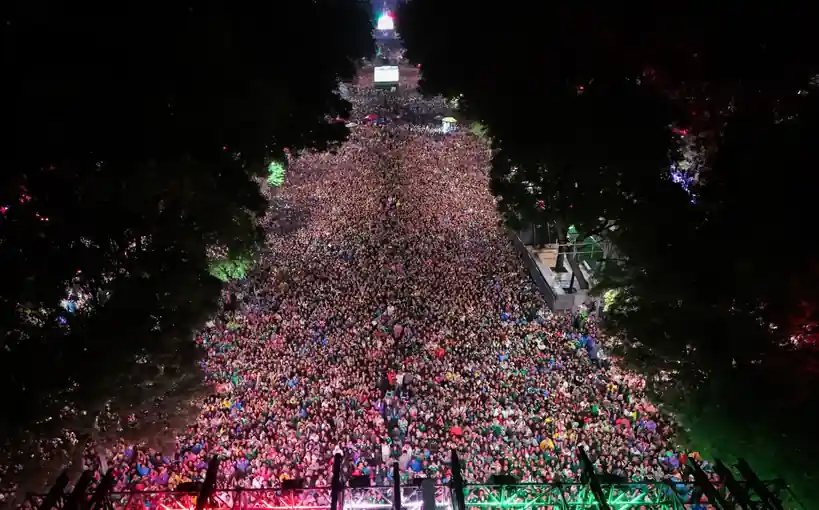
What should have been remembered as Mexico’s biggest World Cup triumph in four decades instead became one of the tournament’s darkest moments. Emergency services responded to multiple medical incidents as enormous crowds packed Paseo de la Reforma and the Angel of Independence after the final whistle.
Four deaths confirmed after huge celebrations
Mexico City officials initially confirmed two fatalities before later announcing that the death toll had risen to four.
Three victims — a 19-year-old woman, a 44-year-old man and a 48-year-old woman — died from asphyxiation after becoming trapped in extremely dense crowds near the Angel of Independence. A fourth victim, a man in his 30s, died later after suffering a medical emergency that authorities said resulted in cardiorespiratory arrest. Officials have not linked that death to crowd compression in the same way as the first three.
The city estimates that close to one million people gathered across central Mexico City to celebrate the victory, creating severe congestion around major landmarks and public viewing areas.
Historic football night ends in tragedy
Mexico defeated Ecuador 2-0 to reach the World Cup knockout stage, ending a 40-year wait for a World Cup knockout victory. The result sparked celebrations across the country, with supporters waving flags, lighting fireworks, singing in the streets and gathering at landmarks that traditionally host national celebrations.
The largest crowds formed around the Angel of Independence on Paseo de la Reforma, where movement became increasingly difficult as more supporters arrived throughout the evening.
Emergency crews responded to several reports of unconscious people while attempting to reach victims through tightly packed streets.
Authorities reviewing crowd management plans
Following the tragedy, Mexico City officials said they will examine crowd management measures before Mexico’s next World Cup match. Security planning is expected to focus on emergency access routes, crowd density monitoring, public viewing locations and the movement of people near major celebration sites.
With Mexico preparing for a high-profile last-16 meeting against England, officials have announced a significantly larger security operation across the capital, including thousands of additional police officers and tighter crowd controls around public gathering points.
The latest tournament schedule is available on the official FIFA World Cup fixtures page.
Separate disorder reported in Monterrey
The same evening, a large public fan zone at Parque Fundidora in Monterrey experienced separate crowd problems as thousands attempted to enter the viewing area.
Witness videos showed supporters climbing fences, pushing through gates and damaging temporary barriers. Police used pepper spray and tear gas to control surges at several entrances after attendance exceeded expectations.
No fatalities from the Monterrey incidents have been confirmed, but the scenes have added to concerns about crowd management during matches involving the host nation.
Why crowd compression becomes so dangerous
Experts note that crowd disasters are often caused by pressure rather than panic. When people become packed so tightly that they cannot expand their chest to breathe, asphyxiation can occur even if individuals remain standing.
Large sporting celebrations present particular risks because thousands of people naturally move toward the same monuments, transport hubs, giant screens and entertainment areas at the same time.
Effective crowd safety depends on controlling entry points, maintaining emergency access routes, monitoring crowd density and providing multiple exit options before dangerous pressure develops.
Security concerns extended beyond the stadium
Before kickoff, groups of Mexico supporters gathered outside Ecuador’s team hotel overnight, using horns, fireworks, drums and loud music in an apparent attempt to disrupt the visiting team’s preparation.
Tournament organizers have also continued monitoring fan conduct after reports that sections of Mexico supporters repeated a chant previously sanctioned by FIFA during the match against Ecuador.
Although unrelated to the fatalities, those incidents have contributed to increased scrutiny as Mexico continues its World Cup campaign.
England match now carries added security focus
Mexico’s victory has set up one of the tournament’s biggest last-16 fixtures against England, bringing even greater international attention to security planning in Mexico City.
Authorities are expected to enforce additional restrictions around fan gathering areas while emergency services prepare for another large turnout before and after the match.
The challenge now extends beyond football. Officials must balance the excitement surrounding the host nation’s World Cup run with measures designed to prevent another crowd tragedy.
Additional tournament updates, including preparations for large public match-day gatherings, can be found in this report on World Cup fan zone planning and match-day celebrations.
Read More
What happens next
Investigators are expected to review surveillance footage, emergency response times, pedestrian flow, road closures and crowd-control decisions made before and after the Ecuador match.
The findings could influence how public celebrations are managed throughout the remainder of the FIFA World Cup, particularly for matches involving host nations where exceptionally large crowds are expected.
While Mexico celebrates a landmark sporting achievement, the focus has now shifted toward ensuring that future tournament celebrations can take place more safely for everyone attending public events.

Make Swikblog your go-to source on Google for reliable updates, smart insights, and daily trends.