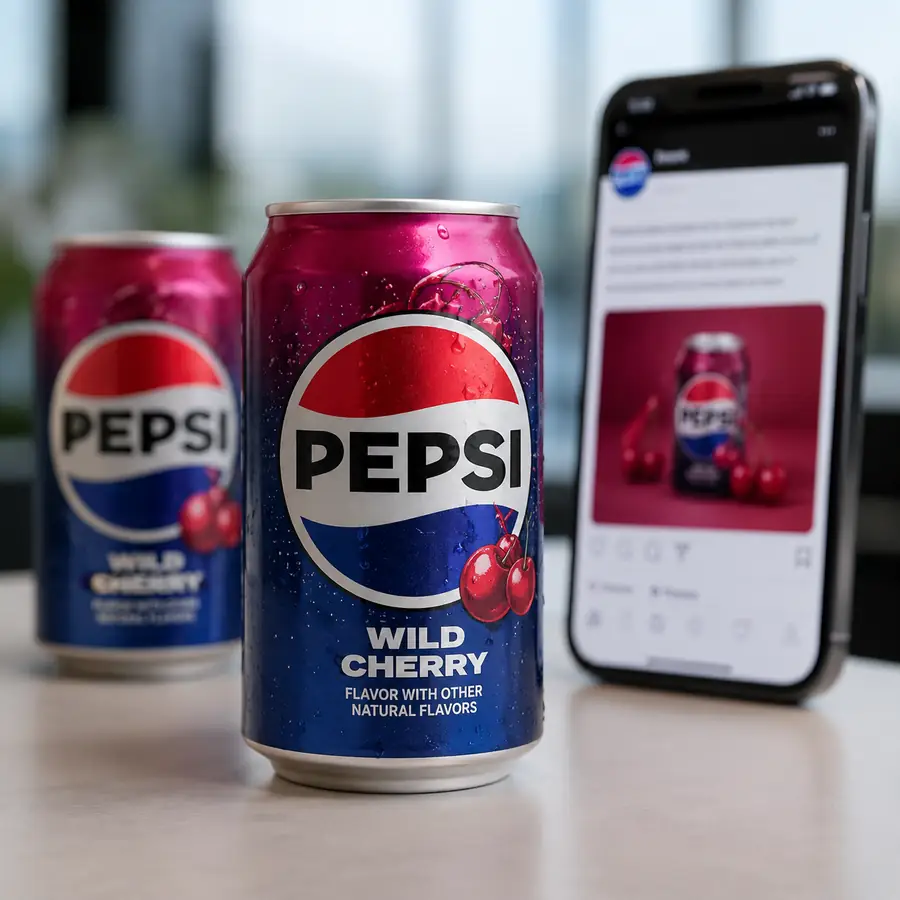

Pepsi has removed a Pepsi Wild Cherry social media post and apologized after a short marketing line sparked criticism over consent-related wording. The deleted post, shared on the brand’s Threads account, became a wider example of how quickly casual brand humor can draw backlash when audiences read a phrase differently than the company intended.
The controversy focused on the wording of the post, which said: “Pepsi Wild Cherry is what happens when regular cherry stops asking for permission.” The message appeared to frame Wild Cherry as a bolder, more rebellious version of a regular cherry flavor. But many users objected to the phrase “stops asking for permission”, saying it sounded careless in the context of consent and personal boundaries.
Pepsi later deleted the post and issued a public apology on July 7. The company said: “Our recent Wild Cherry post landed in a way we never intended. We hear you, we’re sorry, and the post has been deleted.” When contacted by USA TODAY on July 8, Pepsi referred the outlet to that apology statement.
Why The Wording Triggered A Backlash
The issue was not Pepsi Wild Cherry itself, but the meaning some readers attached to the phrase about no longer asking for permission. Critics argued that the wording could be interpreted as minimizing consent, especially because “permission” is a word often used in serious discussions about sexual assault and personal safety.
Some users said the post should have been caught before publication because Pepsi is a major consumer brand with a large audience. One online critic described the wording as appearing to reference sexual assault, while another argued that consent should never be treated as a marketing device.
According to social media users cited in reports, the post remained visible for several hours before being removed. That delay helped screenshots spread beyond Threads, meaning the message continued to circulate even after Pepsi deleted it. For brands, that is now one of the biggest risks of social media: deletion does not always stop a controversy once screenshots are already public.
The reaction also reflects a broader change in how consumers judge corporate posts. Social teams often try to sound casual, edgy or meme-like to stand out online. But when the wording touches a sensitive issue, even indirectly, audiences may focus less on the intended joke and more on the possible harm of the phrase.
Read More:
- Starbucks Pink Drink merch launches with limited-edition Bearista cup
- Virgin Media fined £28 million by Ofcom
- Visit the Swikblog homepage for more latest news
Some Users Said The Post Was Misread
Not everyone agreed with the criticism. Some users defended Pepsi, saying they read the post as a simple joke about Wild Cherry being more daring than regular cherry. In that interpretation, the line was about flavor personality — not consent, assault or real-world boundaries.
One user said they understood the wording as describing a “hell-raising” kind of character. Another said they believed Pepsi was trying to say Cherry “does what it wants to do” instead of asking for approval. That split reaction is part of why the story gained attention: the same sentence sounded playful to some people and deeply inappropriate to others.
For a company with Pepsi’s visibility, that difference matters. A brand post is not read only by the audience it was written for. It can be reposted, criticized, defended and reframed by people who have no connection to the original campaign. That makes language review more important, especially for posts built around humor or attitude.
The Pepsi incident also fits into a wider pattern of consumer brands facing scrutiny over social-first marketing. Drink companies increasingly use bold product personalities and limited-edition campaigns to create conversation, as seen with other beverage promotions such as the Starbucks Pink Drink merchandise launch. But attention can turn negative when the wording becomes the story instead of the product.
Pepsi’s apology was brief and avoided debating whether users had misunderstood the post. Instead, the company acknowledged that the message landed differently than intended, said sorry and confirmed it had been removed. That approach may have been designed to limit further attention while recognizing the concern raised by critics.
The episode is a reminder that brand voice and brand responsibility now overlap more than ever. Companies are encouraged to sound human online, but they are also expected to avoid language that appears insensitive around serious issues. Pepsi’s deleted Wild Cherry post shows how a few words meant to sell a soda can become a larger conversation about marketing judgment, consent awareness and the speed of online accountability.

Make Swikblog your go-to source on Google for reliable updates, smart insights, and daily trends.