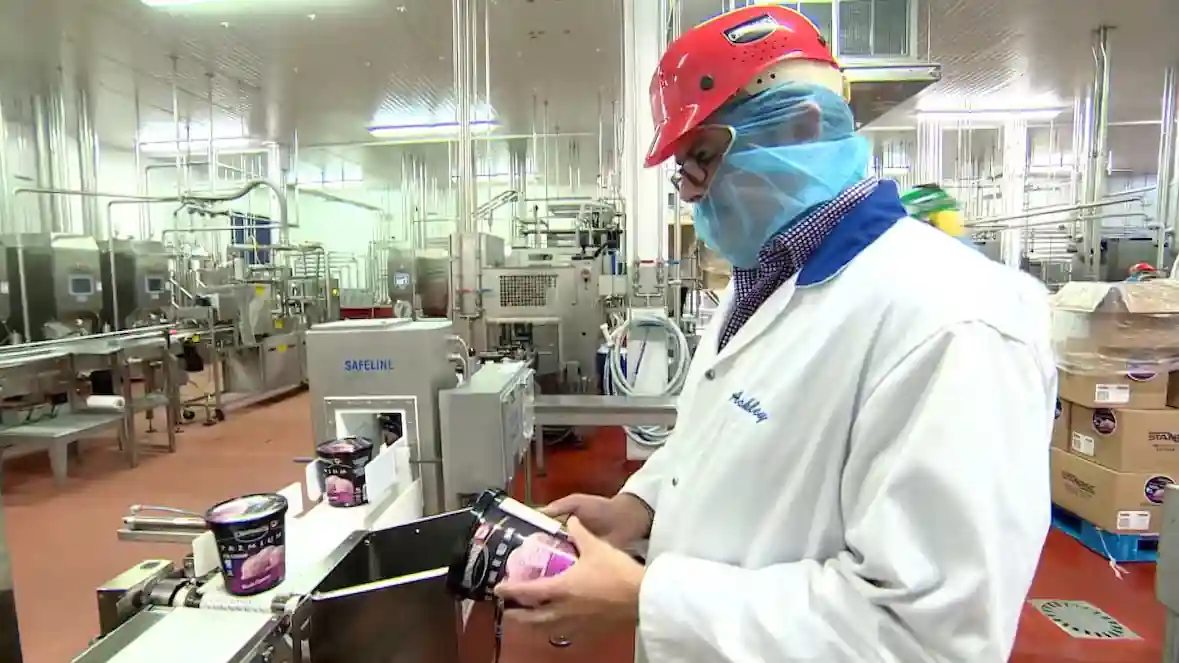
General Mills has voluntarily recalled 735,840 Pillsbury bread rolls because frozen dough supplied to Walmart in-store bakeries may contain glass. The recall covers specific Hard Rolls and Kaiser Rolls baked and sold through Walmart bakery departments in 19 states.
The company initiated the recall on June 19, 2026. The U.S. Food and Drug Administration classified it as a Class II recall on July 13. General Mills said all potentially affected products had been removed, but customers may still have previously purchased rolls at home.
Which Pillsbury rolls are recalled?
Pillsbury Bread Rolls Hard Roll Dough
- Recall number: H-1154-2026
- 3,080 cases containing 180 portions each
- 554,400 rolls weighing 2.25 ounces each
- Lot 11JUN6JL — Better If Used By October 12, 2026
- Lot 12JUN6JL — Better If Used By October 13, 2026
- Package UPC: 7 21582-13283 4
- Case UPC: 107-21582-13283-1
Pillsbury Bread Rolls Kaiser Roll Dough
- Recall number: H-1155-2026
- 1,260 cases containing 144 portions each
- 181,440 rolls weighing 2.5 ounces each
- Lot 12JUN6JL — Better If Used By October 13, 2026
- Package UPC: 7 21582-13288 9
- Case UPC: 107-21582-13288-6
The two products account for 4,340 cases and exactly 735,840 dough portions.
Which 19 states are affected?
The recalled dough was distributed in Arkansas, California, Florida, Georgia, Indiana, Louisiana, Maine, Missouri, New Mexico, New York, Ohio, Oklahoma, Pennsylvania, South Carolina, Tennessee, Texas, Virginia, Washington and Wyoming.
Distribution in a state does not mean every Walmart location received the dough. Some published lists have incorrectly included North Carolina, but the available FDA distribution information identifies 19 states and does not include it.
Why customers may not see a Pillsbury label
The recalled products were commercial frozen dough, not Pillsbury packages sold directly to shoppers. Walmart bakery employees thawed, proofed and baked the rolls before placing them in bakery displays or store packaging.
Customers may therefore have no Pillsbury lot code or UPC on the package they brought home. A receipt, purchase history or bakery label may help Walmart identify the store and purchase date.
Are Pillsbury Crescent Rolls recalled?
No. The recall does not include canned Pillsbury Crescent Rolls, biscuits, cinnamon rolls, pie crusts or other consumer dough products. It is limited to the identified Hard Roll and Kaiser Roll dough used by Walmart in-store bakeries.
Why were the rolls recalled?
The FDA lists the reason as “potential foreign material (glass).” Public information does not explain how the possible glass entered the dough or how it was discovered.
Glass fragments can damage teeth, cut the mouth or throat, create a choking risk or injure the digestive tract. Small transparent pieces may not be visible. The FDA food recall portal provides official alerts and consumer reporting information.
What does a Class II recall mean?
A Class II designation means exposure may cause temporary or medically reversible health consequences, or that the probability of serious harm is remote. It does not mean the affected food is safe to eat.
General Mills described the action as limited and highly contained. The company said the products were baked onsite and sold exclusively through Walmart in-store bakeries and that all potentially affected products had been removed.
Have any injuries been reported?
No illnesses or injuries linked to the rolls had been publicly announced in the available recall information. The absence of reported cases does not eliminate the potential hazard.
This action is separate from the ALDI Fusia kimchi tofu kimbap recall, which concerned undeclared tuna rather than foreign material.
Read More:
- Dollarama garlic powder recalled in Canada following CFIA warning
- Toy Story 5 collector cups recalled by HOYTS over choking hazard
- Visit the Swikblog homepage for more latest news
What should Walmart customers do?
Customers who purchased Hard Rolls or Kaiser Rolls from a Walmart bakery in an affected state should avoid eating any remaining rolls until the store confirms whether they were involved.
- Keep the receipt, bakery label or purchase record.
- Contact the Walmart store where the rolls were purchased.
- Follow the store’s return, refund or disposal instructions.
- Do not search for glass by touching or breaking apart the rolls.
- Do not serve potentially affected rolls to people or animals.
Food-service operators holding the commercial cases should stop using them, isolate the inventory and contact General Mills or their distributor. Checking exact product identifiers is also important in other alerts, including the Dollarama garlic powder recall in Canada.
When to seek medical help
Anyone experiencing a mouth injury, difficulty swallowing, chest pain, persistent abdominal pain, vomiting, or blood in vomit or stool after eating a roll should seek prompt medical attention and mention the possible glass exposure. Consumers should not induce vomiting unless directed by a medical professional.

Make Swikblog your go-to source on Google for reliable updates, smart insights, and daily trends.