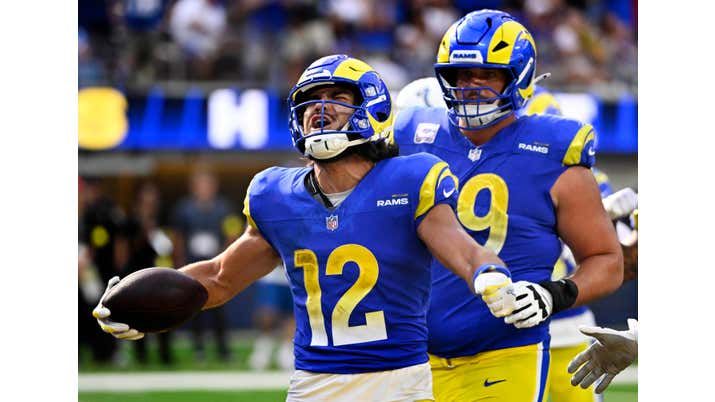
Los Angeles Rams wide receiver Puka Nacua has issued a public apology after a moment from a recent livestream resurfaced online, triggering widespread criticism and a fast-moving social media debate about intent, accountability, and the risks of unscripted digital appearances.
The controversy stems from Nacua’s appearance on a livestream hosted by internet personality Adin Ross, during which he was encouraged to perform a specific gesture as part of a future touchdown celebration. At the time, Nacua appeared unaware that the gesture carried antisemitic connotations. Clips of the exchange later circulated without context, drawing sharp backlash across X and other platforms.
As the clip gained traction, reactions quickly split. Some viewers accused the second-year NFL receiver of engaging in hateful conduct, while others argued the moment reflected poor judgment in a live setting rather than malice. The debate intensified as high-profile accounts amplified the footage, pushing Nacua’s name into trending conversations.
In response, Nacua released a written apology acknowledging the harm caused. In the statement, he said he had not understood the meaning of the gesture at the time and expressed regret for perpetuating stereotypes that have historically targeted Jewish communities. He emphasized that he does not stand for racism, bigotry, or hate toward any group of people.
The apology was shared widely by NFL reporters and insiders, helping shift the conversation from speculation to accountability. Many fans and commentators described the statement as direct and unqualified, noting that Nacua did not attempt to deflect responsibility or minimize the impact of the moment.
Neither the NFL nor the Los Angeles Rams have announced disciplinary action as of now. League precedent typically weighs intent, response time, and corrective action when assessing off-field controversies, particularly those arising from social media or livestream environments rather than in-game conduct.
The incident has also reignited broader questions about the role of livestream culture in professional sports. As athletes increasingly appear on informal digital platforms, the line between entertainment and responsibility can blur, especially in settings designed to provoke spontaneous or shocking moments.
Sports media analysts have pointed out that younger players, in particular, are navigating a landscape where a single unscripted interaction can overshadow on-field achievements. For Nacua, who has quickly become one of the Rams’ most recognizable offensive talents, the episode serves as a reminder of how visibility brings both opportunity and scrutiny.
Coverage of the apology and its aftermath has been picked up by major outlets, including Reuters, as the conversation continues to evolve beyond the initial clip.
While public opinion remains divided, the tone of the discussion has shifted in recent hours toward reflection rather than outrage. Many fans have emphasized the importance of education and growth, while others stress that public figures must exercise heightened awareness regardless of intent.
As the NFL season continues, attention is expected to return to football itself. Still, the episode underscores how modern athletes are judged not only by what they do on the field, but by how they respond when moments off it go wrong.
You may also like:
One Quarter, One Surge, One Cup: Knicks Finish the Job in the 2025 NBA Cup

Make Swikblog your go-to source on Google for reliable updates, smart insights, and daily trends.