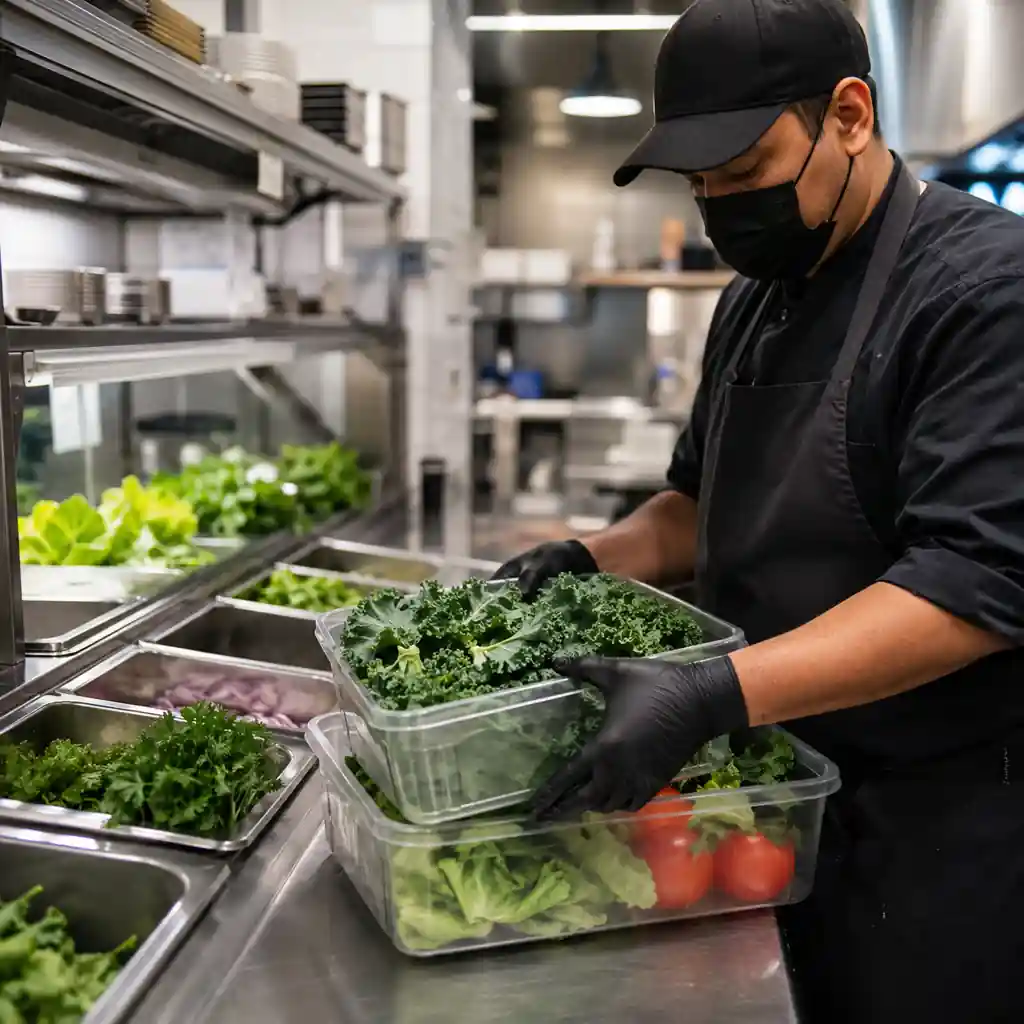

A sharp rise in Cyclospora infections is prompting some US restaurants to temporarily remove raw vegetables and fresh herbs while public health investigators search for the source of the illnesses.
Lettuce, tomatoes, onions, kale and parsley are among the ingredients affected by voluntary menu changes. Other restaurants are washing produce again, including items labelled as pre-washed, or explaining their preparation methods to concerned customers.
These actions do not amount to a nationwide ban, government-ordered recall or evidence that all fresh produce is unsafe. No restaurant chain, farm, grower, supplier or food product has been officially identified as the cause.
Case numbers reveal a complex investigation
The Centers for Disease Control and Prevention’s Cyclospora surveillance page reported more than 840 confirmed domestically acquired cases as of July 9.
The agency was also reviewing more than 1,500 additional illnesses to determine whether they met the federal definition for confirmed domestic cyclosporiasis. Officials examine laboratory results, travel history and other details before adding cases to the national total.
Michigan reported one of the largest increases, with more than 1,500 cases during the investigation period and 44 hospitalizations. State totals may include suspected, probable or pending cases, which helps explain why they can exceed the CDC’s confirmed national count.
Investigators are also trying to determine whether the country is facing one large multistate outbreak or several smaller outbreaks linked to different foods. Multiple unrelated clusters would make it harder to identify a common ingredient or supplier.
Why no targeted recall has been issued
Food recalls are most useful when authorities can name a brand, package size, lot number or expiration date. The current investigation offers no comparable checklist because officials have not linked the illnesses to a specific food.
That uncertainty differs from the Publix blueberry recall involving a specific lot code, where consumers could directly check whether a product in their home was affected.
It also differs from the California egg recall linked to a Salmonella outbreak, which involved a more clearly defined source and allowed health officials to issue targeted advice.
Restaurants take different precautions
Dipisa’s Pizza in Stevensville, Michigan, temporarily removed lettuce, tomatoes and onions. The restaurant said the decision was precautionary and not connected to a confirmed illness involving its food.
The Red B Restaurant in Idabel, Oklahoma, said it was soaking and washing lettuce and spinach again, even when supplied as pre-washed. It warned that salads could be slightly wetter and removed kale and parsley because those ingredients are harder to clean thoroughly.
Roma’s Pizzeria and Italian Restaurant in Michigan told customers it buys whole heads of lettuce and cuts them fresh in-house instead of using bagged lettuce. The restaurant said it had received no reports of illness linked to its lettuce.
None of these decisions proves that the removed ingredients caused the outbreak. They show how businesses are managing risk while official guidance remains limited.
Chipotle says its ingredients are not believed to be involved
Chipotle said it was aware of the investigation, was monitoring new information and did not believe the ingredients it sources were associated with the illnesses. No health authority has publicly linked the chain to the cases.
McDonald’s, Chick-fil-A, Jersey Mike’s, Burger King, Subway, Wendy’s and Taco Bell parent Yum! Brands were also asked whether they were changing procedures or menu items. No immediate public responses were reported.
Read More:
- Food recall Australia: Chickadees snacks recalled over safety concerns
- FDA cheese recall 2026: Clover Hill Dairy products linked to Listeria outbreak
- Visit the Swikblog homepage for more latest news
Why Cyclospora is difficult to remove
Cyclosporiasis is caused by the microscopic parasite Cyclospora cayetanensis. People usually become infected after eating food or drinking water contaminated with the parasite.
Previous outbreaks have been associated with raspberries, basil, cilantro, parsley, leafy greens and prepared salad mixes. Those earlier links do not prove that any of those foods is responsible for the current rise.
Cyclospora can lodge in the crevices of leafy vegetables, herbs and berries. Washing produce remains important, but rinsing alone cannot guarantee removal. The parasite is also more resistant than many bacteria to common chlorine-based cleaning methods.
Cooking produce thoroughly is more effective. Diners who want to reduce exposure may temporarily prefer cooked vegetables and hot meals over raw salads, herb garnishes and cut fruit.
Direct person-to-person transmission is considered unusual because Cyclospora passed in stool generally needs time in the environment before becoming infectious.
Symptoms can continue for weeks
The most common symptom is frequent watery diarrhea, which can be sudden and severe. Other symptoms include stomach cramps, bloating, gas, nausea, loss of appetite, weight loss and fatigue. Some patients also experience vomiting, body aches, headache or a low fever.
Symptoms often begin about a week after contaminated food or water is consumed. Without treatment, illness can continue for more than a month and may improve before returning.
Anyone experiencing persistent watery diarrhea, dehydration or difficulty keeping fluids down should contact a healthcare professional. Testing for Cyclospora may need to be specifically requested, so patients should mention recent restaurant meals, travel and consumption of raw produce.

Make Swikblog your go-to source on Google for reliable updates, smart insights, and daily trends.