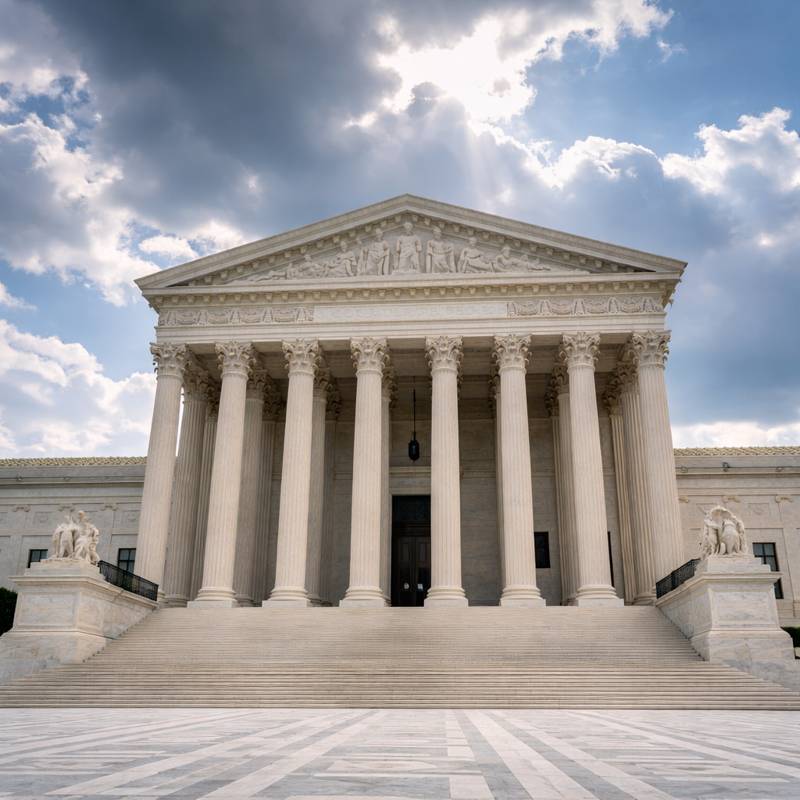

The U.S. Supreme Court has issued an 8-1 decision in Chiles v. Salazar, sending Colorado’s law restricting conversion therapy for minors back to a lower court after finding that it raises significant First Amendment questions. The ruling does not automatically strike down similar laws across the country, but it sets a higher constitutional standard that could influence future legal challenges.
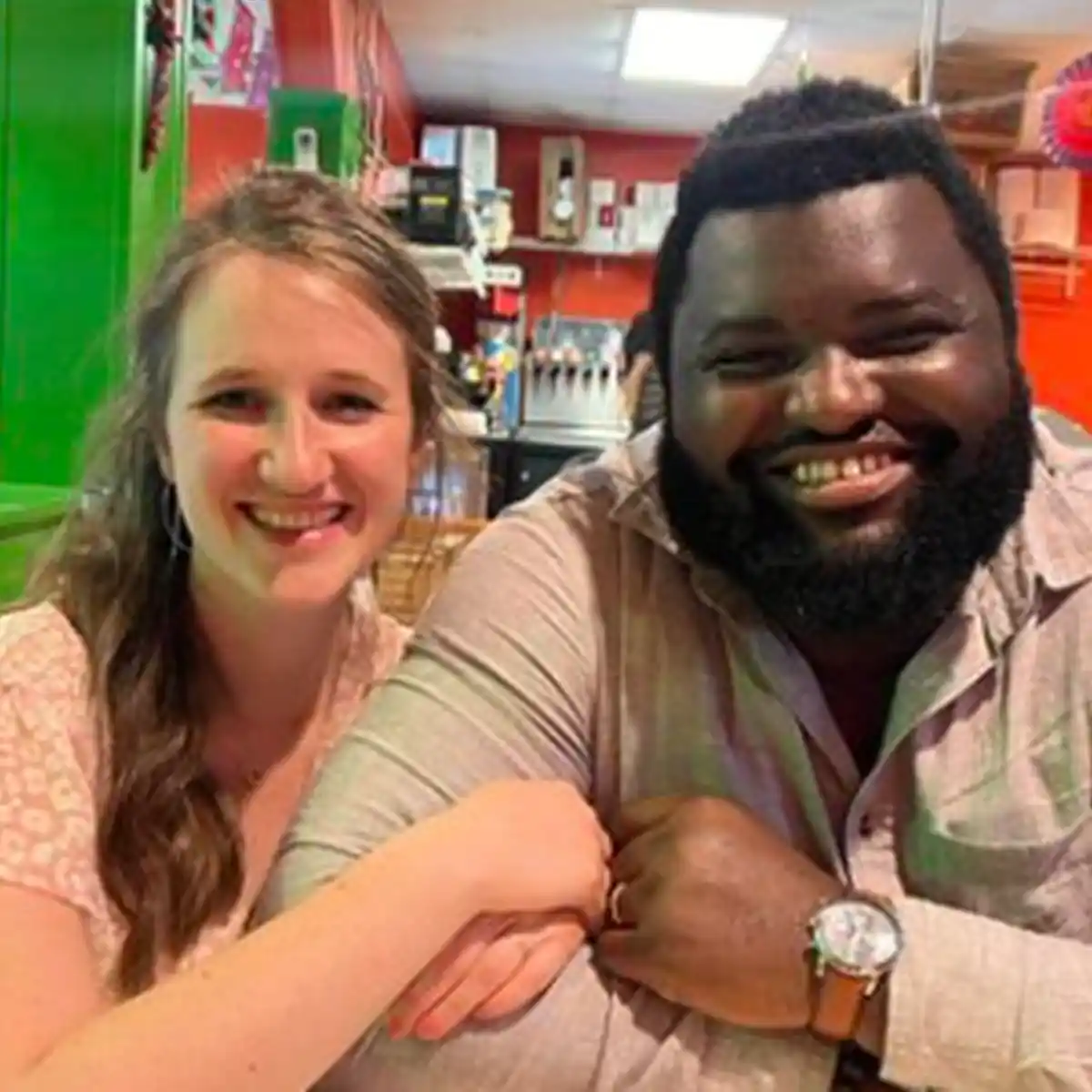
The case was brought by Kaley Chiles, a licensed professional counselor in Colorado and an evangelical Christian, who argued that the state’s 2019 law prevented her from engaging in voluntary conversations with clients seeking counseling related to sexual orientation or gender identity. Chiles contended that Colorado was regulating what she could say during private counseling sessions rather than how she practiced her profession.
Writing for the majority, Justice Neil Gorsuch said the law, as challenged in this case, regulates speech based on viewpoint and therefore must be examined under strict First Amendment scrutiny. The Court ruled that the lower courts applied the wrong constitutional standard and ordered the case to be reconsidered. The complete opinion is available on the U.S. Supreme Court’s official website.
What the Supreme Court decided
The ruling does not immediately invalidate Colorado’s conversion therapy law or similar laws in other states. Instead, the Supreme Court concluded that because the law regulates speech based on viewpoint, it must face the most demanding level of constitutional review before it can be upheld.
The majority emphasized that Chiles challenged restrictions on voluntary, talk-based counseling between a licensed therapist and willing clients. The Court did not address coercive or physical practices, which were not part of this lawsuit.
Justice Ketanji Brown Jackson issued the lone dissent, arguing that states have long held the authority to regulate licensed healthcare professionals in order to protect patients, particularly minors. She warned that the decision could make it more difficult for states to enforce professional standards designed to safeguard vulnerable young people.
Why the ruling matters nationwide
Colorado is among more than 20 states that have enacted laws restricting conversion therapy for minors. Those measures were adopted after major medical organizations concluded that attempts to change a person’s sexual orientation or gender identity lack scientific support and may increase the risk of depression, anxiety, and self-harm among young people.
Supporters of the ruling argue that licensed counselors should retain First Amendment protections when engaging in voluntary conversations with clients. They believe governments should not determine which viewpoints professionals may express during private counseling sessions.
Opponents, including LGBTQ advocacy organizations and many healthcare groups, argue that states must be able to regulate licensed professionals when treatments are considered harmful or unsupported by accepted medical evidence. They say the decision could encourage constitutional challenges to similar laws throughout the United States.
The case is another example of how court rulings can reshape public policy and individual rights. Recent legal developments, including the Avis data breach settlement, have also demonstrated how judicial decisions can affect millions of Americans beyond the parties directly involved.
Potential impact beyond Colorado
Legal analysts expect the ruling to influence future disputes involving professional speech, healthcare regulation, and constitutional protections. Because the Supreme Court focused on free speech rather than the broader policy debate surrounding conversion therapy, courts reviewing similar cases may now apply much stricter constitutional scrutiny.
The decision could affect future cases involving doctors, psychologists, teachers, and other licensed professionals whose work depends on communication with patients or clients. That makes the ruling significant well beyond the field of mental health counseling.
For families, healthcare providers, and lawmakers, the case highlights the ongoing challenge of balancing constitutional rights with state authority to regulate professional conduct in the interest of public health.
People following major legal and government developments may also find our guide to U.S. federal holidays and government office schedules useful when planning around federal offices and court schedules.
What comes next
The case now returns to the lower courts, where Colorado must defend its law under the stricter First Amendment framework established by the Supreme Court. The outcome could determine whether the state’s restrictions remain enforceable or require substantial changes.
Although the decision does not immediately overturn every conversion therapy law in the country, it is expected to become an important precedent in future disputes involving free speech, licensed professionals, and state authority. As similar cases move through the courts, the balance between constitutional protections and public health regulation is likely to remain a closely watched legal issue.
Read More:
- Food recall Australia: Chickadees snacks recalled over safety concerns
- FDA cheese recall 2026: Clover Hill Dairy products linked to Listeria outbreak
- Visit the Swikblog homepage for more latest news

Make Swikblog your go-to source on Google for reliable updates, smart insights, and daily trends.