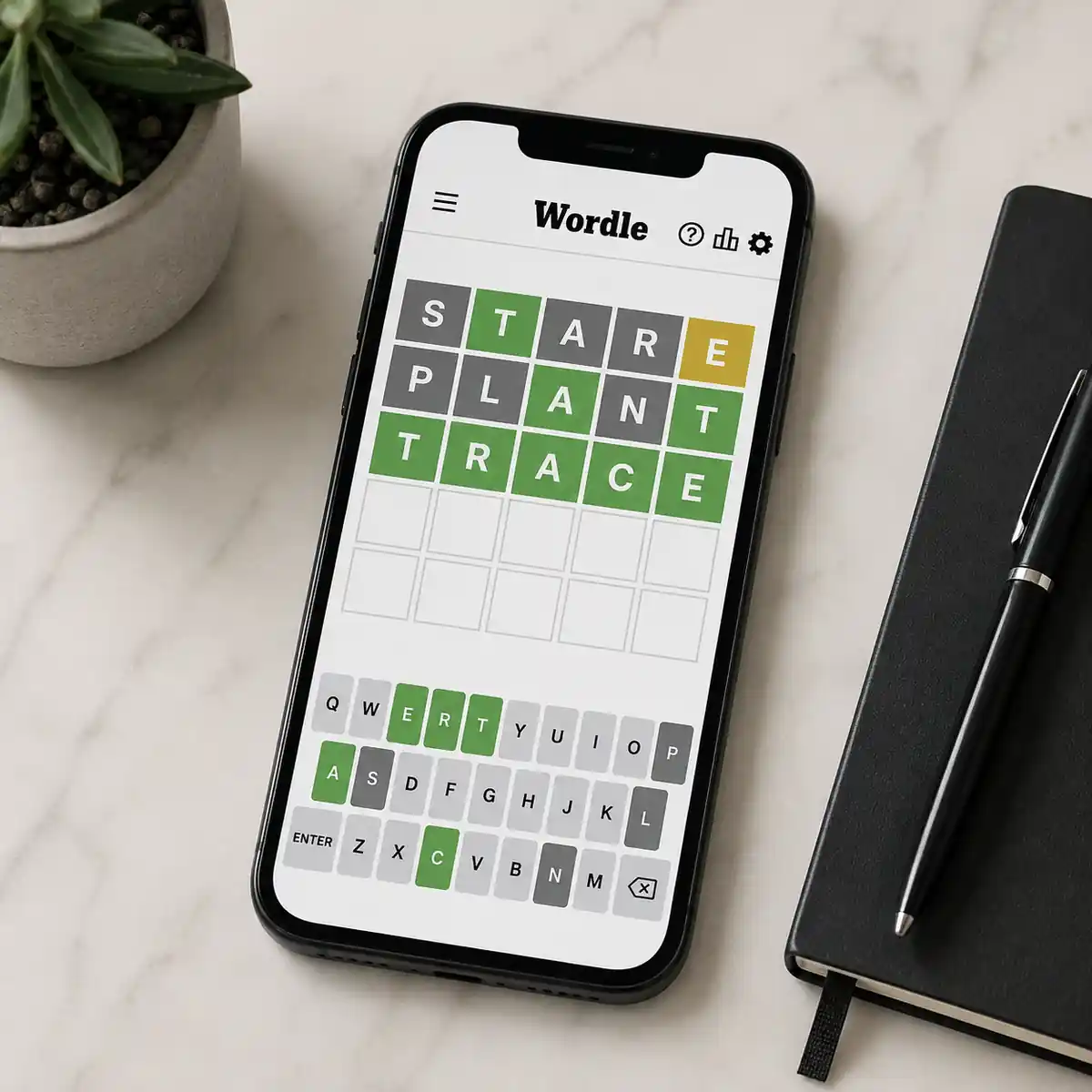
The daily NYT Wordle puzzle for March 6, 2026 has arrived, and players around the world are already comparing guesses and strategies. Wordle puzzle No. 1721 continues the familiar challenge — six attempts to identify a hidden five-letter word using logical clues from each guess.
Each day’s puzzle introduces a new vocabulary twist. Some solutions are common everyday words, while others test players with unusual descriptions or sensory terms. The March 6 puzzle falls into the second category, leaning toward a descriptive adjective that many players recognize once the meaning clicks.
For those trying to keep their streak alive, the key is always the same: start with balanced guesses, watch the color clues carefully, and eliminate unused letters quickly. If you want to play the official puzzle before reading the answer, you can try it directly on the New York Times Wordle game page.
Editor: Tracy Bennett
Word length: 5 letters
Attempts allowed: 6
Wordle hints for puzzle #1721
Practice Wordle before revealing the answer
Today’s Wordle answer
GUNKY
The solution to Wordle puzzle #1721 is GUNKY.
The word functions as an adjective and describes something covered in thick, sticky or greasy residue. According to Merriam-Webster, it refers to filthy matter or grime that builds up over time. The term is often used for machinery, kitchen surfaces, or hands that have accumulated oily dirt.
Its structure also explains why some players found the puzzle tricky. The repeated G and the uncommon ending -KY combination can delay the correct guess unless the first letters are identified early.
Wordle strategy recap
Many successful players start with vowel-heavy opening guesses to quickly identify the structure of the word. Once the first letter or repeated letters appear, narrowing the possibilities becomes much easier.
Puzzle #1721 rewards players who quickly recognized the double-letter pattern and focused on descriptive adjectives. Words describing textures or physical conditions often appear in the Wordle rotation, making them useful mental categories when searching for answers.
With another puzzle solved, the next challenge will arrive tomorrow with a completely new five-letter mystery. Keeping streaks alive often depends on patience, vocabulary recall, and carefully analyzing the colored clues after each guess.

Make Swikblog your go-to source on Google for reliable updates, smart insights, and daily trends.