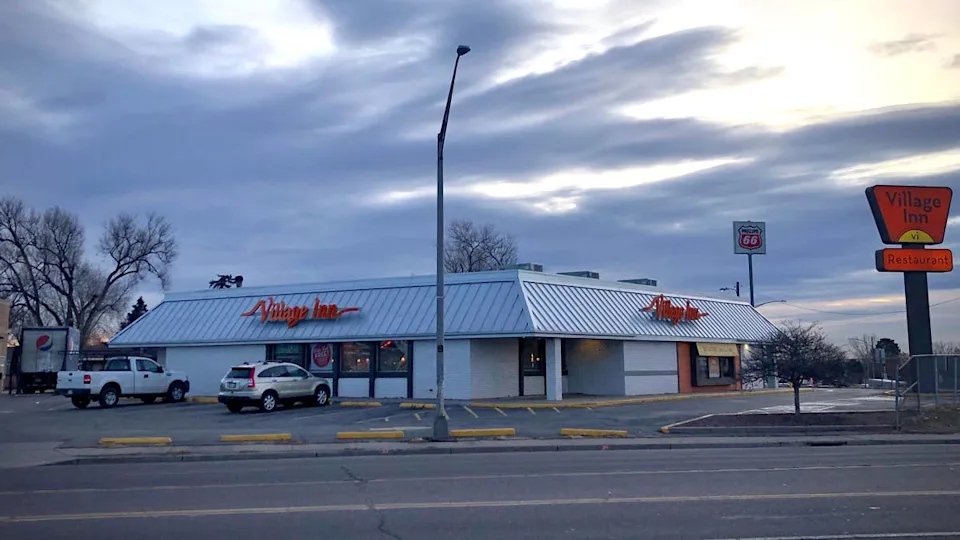

A Chapter 11 bankruptcy filing involving three Florida Village Inn restaurants has added another sign of pressure across the U.S. restaurant franchise market. The affected restaurants remain open, but the court filing shows how falling sales, supplier bills, tax obligations, and higher operating costs are weighing on some franchise operators.
The case involves VI Land O Lakes LLC, a Florida-based Village Inn franchisee connected to restaurants in Land O’ Lakes, Brandon, and Zephyrhills. The petitions were filed on June 10, 2026, in the U.S. Bankruptcy Court for the Middle District of Florida.
Village Inn Franchisee Files for Chapter 11 in Florida
Court documents show the lead debtor listed more than $85,000 in assets and over $234,000 in liabilities. The filing did not give a specific reason for the bankruptcy petition, but the company’s revenue figures show a business under financial pressure.
The filing applies to the franchise operator, not the Village Inn brand itself. A manager at the Land O’ Lakes location said the three restaurants are operating normally, with no current plans for closures.
Chapter 11 allows a business to keep operating while it works to reorganize debt and deal with creditors. For customers, that means a bankruptcy filing does not always translate into locked doors or immediate job losses.
Sales Decline Shows Why Margins Are Under Strain
The three restaurants generated about $2.02 million in revenue in 2024. Revenue fell to roughly $1.9 million in 2025, a decline of about 3.45%.
The pressure has continued into 2026. Through June 10, the company reported more than $658,000 in revenue, putting the business on pace for another difficult year unless customer traffic improves.
For restaurants, a small revenue decline can be painful when food, labor, rent, utilities, insurance, and financing costs remain elevated. Operators may raise menu prices to recover costs, but many customers are already cutting back on dining out after several years of higher prices.
Michael J. Ingram, vice president and principal at National Franchise Sales, told TheStreet that high-wage markets are among the hardest areas for restaurant operators. He noted that franchisees can only raise prices so far before customer traffic begins to suffer.
Creditors Include Food Suppliers, Tax Agencies, and Bank Debt
The largest unsecured creditors listed in the filing include the Florida Department of Revenue, owed about $48,000, and First Citizens Bank, owed about $47,000.
Food suppliers are also among the major creditors. US Foods is listed with about $41,000 owed, while Sysco Food Service is owed around $35,000. The Internal Revenue Service is listed with about $29,000 owed.
The creditor list shows how restaurant stress can spread across several parts of the business at once. A franchisee must keep paying vendors, taxes, lenders, workers, landlords, and utilities even when sales growth slows.
Village Inn Brand Is Not in Bankruptcy
Village Inn has been part of the American family dining market for decades. The chain launched in Denver in 1958 and currently lists 109 locations across 19 states on its official website.
That history matters because this filing does not represent a collapse of the chain. Franchise systems are built around independent operators, and one operator’s financial trouble does not automatically mean the parent brand or other franchisees are facing the same outcome.
Still, the case is important because franchise restaurant operators often face the same broad pressures: labor shortages, higher wages, food inflation, insurance costs, weaker traffic, and heavier debt burdens.
Restaurant Franchise Bankruptcies Remain a Warning Sign
The Village Inn filing comes as several restaurant franchisees tied to well-known brands have restructured or closed weaker stores. Operators connected to Carl’s Jr., Wendy’s, Pizza Hut, and Papa John’s have all faced pressure from rising costs and softer consumer demand.
Restaurant franchise operators across the country are facing comparable headwinds. Recent examples include Carl’s Jr. franchise restructuring and location divestitures, highlighting how higher operating costs and softer customer demand are affecting multiple brands, not just Village Inn.
Florida operators have also had to deal with storm-related disruption. Other Village Inn franchisees in the Tampa area previously filed for Chapter 11 protection after financial problems tied to Hurricanes Helene and Milton in 2024. The latest debtor has not said whether those storms affected its three locations.
Read More
For diners in Land O’ Lakes, Brandon, and Zephyrhills, the immediate message is that the restaurants remain open. For the wider restaurant industry, the filing shows that even familiar breakfast chains can face pressure when sales slip and costs stay high.
For official brand details and restaurant locations, readers can visit the Village Inn website.

Make Swikblog your go-to source on Google for reliable updates, smart insights, and daily trends.