Date: 19 November 2025 | Occasion: World COPD Day – Theme: “Short of Breath, Think COPD”
On 19 November 2025, World COPD Day returns with a powerful reminder: if you’re often short of breath, don’t just blame age or fitness — it may be time to think COPD. Chronic Obstructive Pulmonary Disease (COPD) is a progressive lung condition that limits airflow and makes breathing harder over time. While smoking is still the biggest known risk, several everyday habits quietly damage your lungs and increase your long-term COPD risk.
Before we dive into those habits, it’s worth knowing that breathlessness can also overlap with other conditions such as pneumonia. If you’re unsure whether your symptoms fit more with an infection or a chronic disease, you can read this detailed guide on pneumonia vs COPD differences in 2025 .
COPD vs Asthma: Why the Difference Matters
Many people confuse COPD and asthma because both can cause coughing, wheezing and breathlessness. Asthma usually starts earlier in life, tends to fluctuate with triggers (like allergens or exercise) and is often more reversible with inhalers. COPD is typically linked to long-term exposure to smoke or harmful particles, develops slowly and causes persistent, less reversible airflow limitation. In simple terms, asthma airways can usually “bounce back” more, while COPD damage is more permanent. If you have a history of asthma and now feel your symptoms are changing or worsening, talk to your doctor about whether COPD might also be playing a role.
Below are five surprisingly common lifestyle patterns that slowly erode lung health — plus practical steps you can take today.
1. Ignoring Air Quality & Indoor Pollutants
We often picture lung damage as a result of outdoor smog. But in many homes and offices, indoor air can be just as harmful. Irritants like second-hand smoke, strong cleaning chemicals, mould, dust, scented sprays, and fumes from cooking or heating can inflame and injure your airways over time.
The American Lung Association notes that indoor pollutants and poor ventilation are key factors in long-term lung irritation. The World Health Organization (WHO) also highlights household air pollution and tobacco smoke as important causes of COPD worldwide.
What happens: Continuous exposure to these irritants is linked with chronic airway inflammation and narrowing of the bronchial tubes — a key feature of COPD.
What you can do:
- Ventilate well when cooking, cleaning or using strong products.
- Avoid burning wood, coal or trash indoors without proper exhaust.
- Keep your home smoke-free for everyone, including visitors.
- Consider an air purifier or indoor air-quality monitor if you live in a high-pollution area.
2. Sedentary Lifestyle & Poor Posture
Your lungs are designed to expand, contract and work in sync with your muscles. Long hours sitting still — especially in a slouched position — limit chest expansion, weaken respiratory muscles and reduce the amount of oxygen your body uses.
Research in people living with COPD shows that low physical activity is linked to worse lung function and higher mortality. But the lesson applies well before diagnosis: staying active helps maintain lung capacity and keeps the diaphragm strong. Poor posture, like hunching over a laptop or phone, further compresses the lungs and makes shallow breathing your default.
What you can do:
- Aim for at least 30 minutes of moderate exercise most days (walking, cycling, swimming, dancing).
- Break up long sitting sessions: stand, stretch and take a few deep breaths every 45–60 minutes.
- Sit with your spine straight, shoulders relaxed and chest open to allow better lung expansion.
3. Poor Diet & Dehydration
What you eat and drink doesn’t just affect your weight or heart — it plays a major role in lung health too. Diets high in ultra-processed foods, sugar and unhealthy fats tend to fuel systemic inflammation, which can worsen symptoms and speed up lung decline. On the other hand, antioxidant-rich foods help neutralise oxidative stress inside delicate lung tissue.
Dehydration is another quiet saboteur. When you don’t drink enough fluids, mucus in the airways becomes thicker and stickier, making it harder for your lungs to clear pollutants and germs. Over time, this can raise the risk of infections and chronic lung irritation. Reviews of diet and lung health suggest that balanced, nutrient-dense eating patterns are protective for respiratory function.
What you can do:
- Drink water regularly throughout the day (adjusting for any medical advice you’ve been given).
- Build meals around fruits, vegetables, whole grains, nuts, seeds and oily fish.
- Cut back on processed meats, deep-fried snacks, sugary drinks and excessive salt.
- Talk to a healthcare professional or dietitian if you’re underweight, losing muscle or struggling with appetite.
4. Exposure to Smoke – Both Active & Passive
No list about COPD risk would be complete without talking about smoke. Smoking remains the single biggest cause of COPD worldwide. Cigarette smoke contains thousands of chemicals that irritate and damage the airways, gradually destroying the tiny air sacs (alveoli) that allow oxygen to move into the bloodstream.
But it’s not just smokers who are affected. Second-hand smoke — the smoke you breathe in when someone else lights up — also increases COPD risk. People exposed at home, at work or in social settings may experience chronic cough, wheeze and breathlessness even if they have never smoked. The Mayo Clinic notes that both active smoking and exposure to smoke or fumes contribute significantly to COPD.
What you can do:
- If you smoke, speak to your doctor about quitting support, nicotine replacement, or local stop-smoking services.
- Make your home and car completely smoke-free zones.
- Avoid indoor places where smoking is allowed or common.
- If a family member smokes, encourage them to smoke outside and away from children or vulnerable adults.
5. Occupational & Hobby-Related Dust and Fumes
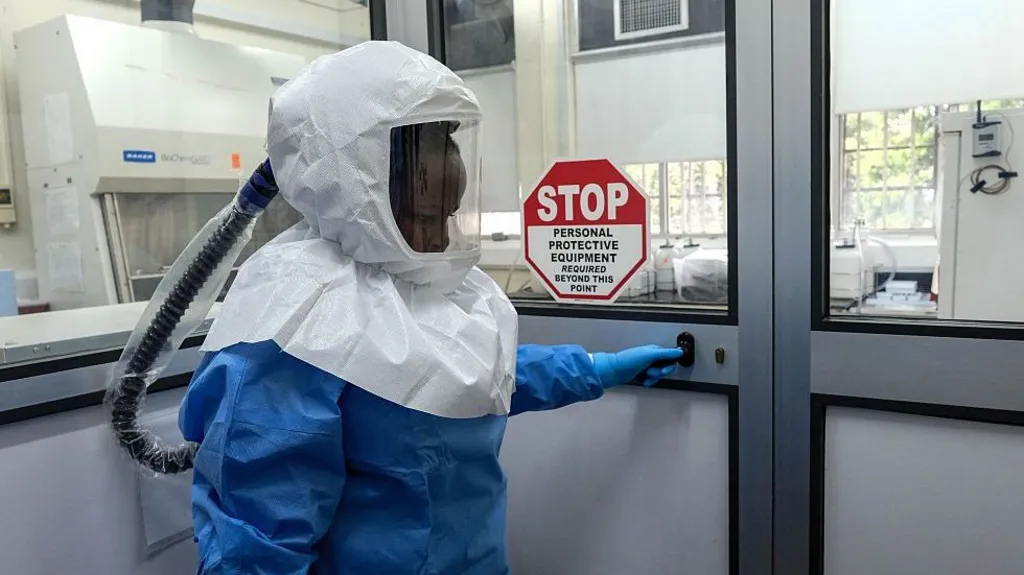
Many jobs and hobbies involve exposure to dust, chemicals, fumes or smoke. Construction, mining, welding, farming, textile work, baking, woodworking and some craft or DIY projects can all release tiny particles that irritate and scar the lungs.
Over months and years, breathing in these particles without protection can lead to chronic bronchitis, airway narrowing and permanent damage that looks very similar to COPD. The NHS in the UK specifically lists workplace dusts and chemical fumes as recognised causes of COPD and recommends using proper protective equipment.
What you can do:
- Use the correct protective equipment (e.g. respirator masks, local exhaust ventilation) at work or when doing dusty DIY.
- Follow workplace safety rules and raise concerns about poor ventilation or visible dust.
- Take regular breaks in fresh air when working around fumes or chemicals.
- Schedule occupational health checks if your job puts you at higher risk.
When “Just a Bit Short of Breath” Isn’t Normal
On World COPD Day 2025, the message is clear: don’t ignore breathlessness. Feeling winded when walking up a short flight of stairs, a cough that lingers for months, chest tightness, or needing longer to recover after mild exertion may all be early warning signs.
If you’ve noticed these symptoms — especially if you smoke, have past exposure to dust or fumes, or live with long-term asthma — speak to your healthcare provider about a simple lung-function test called spirometry. Clinics like Cleveland Clinic emphasize that early diagnosis and treatment can slow progression, improve quality of life and help you stay active for longer.
And remember, prevention is powerful. By cleaning up your air, moving your body more, eating for lung health, staying away from smoke and respecting occupational risks, you’re investing in every future breath you’ll take.

Make Swikblog your go-to source on Google for reliable updates, smart insights, and daily trends.