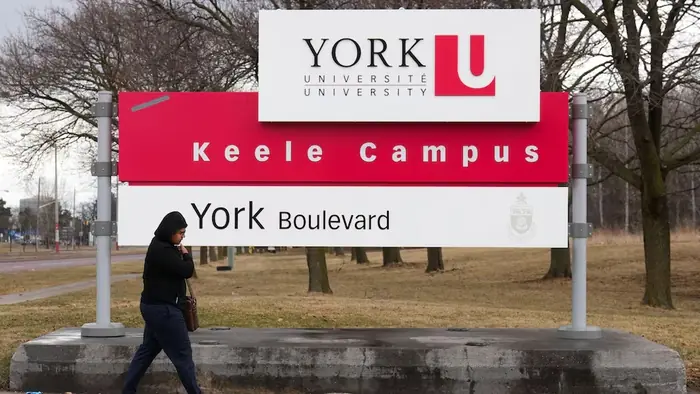

Ontario is investing $55.8 million to help York University open a medical school in Vaughan in August 2028, with a focus on family medicine, primary care and generalist specialties.
The announcement comes as the Ontario Medical Association estimates that more than 2.5 million residents lack a family doctor. However, the school is a long-term workforce investment rather than an immediate solution to the shortage.
What will the $55.8 million fund?
The provincial funding will support accreditation, curriculum development, faculty recruitment and training, a medical library, and initial operating costs for undergraduate and postgraduate programs.
It is separate from the cost of building the school. York University is raising approximately $350 million for the project. York Region has committed $25 million, the City of Vaughan has donated land, and Ontario previously provided a $9 million planning grant.
More information is available in the Ontario government’s official funding announcement.
Where will the school be located?
The school will be built in the Vaughan Healthcare Centre Precinct beside Cortellucci Vaughan Hospital. Its location is intended to connect classroom education with training at hospitals, family practices and community health organizations.
Mackenzie Health, which operates Cortellucci Vaughan Hospital and Mackenzie Richmond Hill Hospital, is expected to be an important clinical partner.
Opening date and medical seats
York is scheduled to welcome its first students in August 2028, beginning with 80 undergraduate medical students and 102 postgraduate residents.
The university plans to admit 80 MD students annually through a three-year program. Once three classes are enrolled, the school would have 240 undergraduate places. Postgraduate capacity is expected to grow to 293 positions.
Approximately 70% of the planned postgraduate training capacity will be directed toward primary care.
Will every graduate become a family doctor?
York is being positioned as Canada’s first medical school focused primarily on training family doctors, but this does not mean every MD graduate will choose family medicine.
Students select specialties through the residency-matching process. York intends to encourage primary-care careers through its curriculum, community placements and residency opportunities.
Postgraduate training will include family medicine, internal medicine, pediatrics, psychiatry, obstetrics and gynecology, and general surgery.
How will the three-year MD program work?
York plans to offer an accelerated three-year Doctor of Medicine program, compared with the four-year format used by many Canadian medical schools.
Students are expected to begin community-based clinical learning during their second year. They will follow patients over time and work with teams across primary-care clinics, hospitals and community settings.
The model emphasizes integrated care involving physicians, nurses, social workers, physiotherapists and other professionals.
When could the first doctors begin practising?
Students entering in 2028 could complete their MD degrees around 2031. They would then need residency training and licensing before practising independently, placing the first undergraduate graduates in the workforce during the early 2030s.
Residents entering York’s postgraduate program in 2028 could contribute to supervised patient care sooner.
This timeline matters because Ontario has committed $3.4 billion to connect every resident with a family doctor or primary-care team by 2029. Meeting that earlier target will depend on existing physicians, expanded health teams and measures such as Canada’s immigration pathway for foreign-trained doctors.
Why Ontario needs more primary care capacity
People without continuous primary care can face difficulties obtaining preventive screening, chronic-disease management, referrals and follow-up treatment. Some turn to walk-in clinics or emergency departments, increasing pressure elsewhere in the health system.
Funding pressures are also affecting other community services, including the planned closure of Maison de l’Est hospice in Ottawa after its operating funds ran out.
Read More:
Accreditation and admissions
York’s proposed MD program has received Ontario Quality Council approval, while the medical school has achieved candidate status with the Committee on Accreditation of Canadian Medical Schools.
The 2028 opening remains subject to further accreditation. Candidate status is an important milestone but is not equivalent to full accreditation.
Complete application dates, admission requirements, tuition fees and selection criteria have not yet been announced. Ontario has also not announced any requirement for graduates to remain in the province or enter family medicine.
How York compares with TMU
Toronto Metropolitan University opened its medical school in Brampton in September 2025. At full capacity, TMU is expected to offer 94 undergraduate and 117 postgraduate positions.
York’s school will differ through its accelerated program, community-based clinical training and stronger stated emphasis on family medicine and generalist care.

Make Swikblog your go-to source on Google for reliable updates, smart insights, and daily trends.