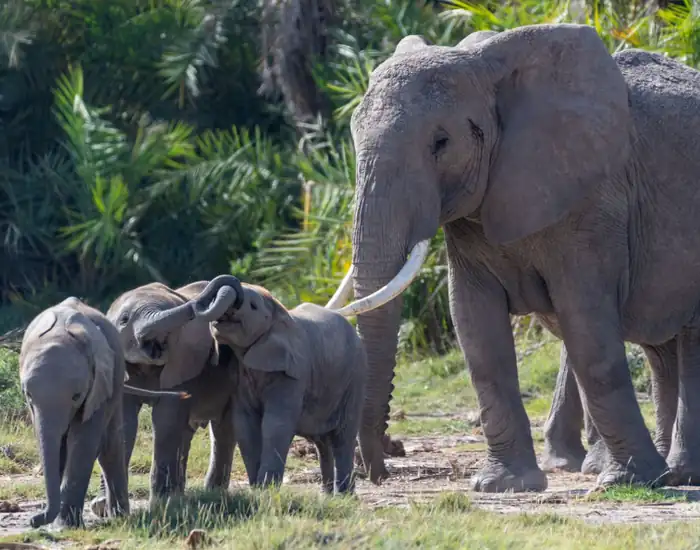

Fifteen elephants have died near Kenya’s Amboseli National Park after laboratory analysis detected traces of cyanide, raising concerns about agricultural chemicals and possible exposure among livestock grazing near local farms.
The deaths occurred between June 24 and July 24, 2026, in Kimana Sanctuary and Kuku Group Ranch. Kenya Wildlife Service (KWS) officials believe pesticides used around nearby tomato farms are the most likely source, but investigators have not conclusively identified the product, farm or person responsible.
What investigators discovered
KWS Director General Erustus Kanga told Citizen TV that samples collected from the carcasses contained cyanide. The highly toxic compound has agricultural uses, including pest fumigation and predator control, and has previously been used by wildlife poachers.
Ten elephants showed partial paralysis before dying, reportedly within one or two days of becoming ill. The other five carcasses were decomposed or disturbed by scavengers, limiting the evidence available to veterinary teams.
KWS publicly announced its investigation on July 28 after preliminary tests detected a potential toxic substance. Later analysis identified cyanide traces, but further toxicology and environmental examinations are required to establish exactly how the animals encountered it.
Why tomato farms are being examined
Isaac Lekolool, KWS head of veterinary and capture services, said one elephant’s stomach contained a large quantity of tomatoes. Kimana is a major tomato-producing area where researchers from the Route to Food Initiative have previously reported the use of a cyanide substance on crops.
That evidence makes accidental agrochemical exposure a leading possibility. However, it does not prove whether the substance was improperly handled, left on discarded produce or deliberately used against the animals. Authorities have not named a suspected farm or offender.
Where the elephant deaths occurred
Kimana Sanctuary and Kuku Group Ranch are part of the wider Amboseli ecosystem. Amboseli National Park covers approximately 392 square kilometres, or 96,865 acres, while the park and surrounding conservancies support more than 1,600 elephants.
Elephants frequently move between protected habitats, community land and working farms in search of food and water. This shared landscape creates opportunities for animals to encounter treated crops or agricultural waste.
An independent report on the Amboseli elephant deaths confirms that monitoring has been increased while officials investigate possible environmental contamination.
Could cattle and goats be affected?
Kanga warned that cattle and goats also feed near farms in the affected area. If cyanide remains accessible on crops, vegetation or another source, livestock could potentially consume it.
No linked livestock deaths had been reported at the time of publication. The warning therefore concerns possible exposure, not a confirmed wider outbreak. Testing farm chemicals, soil, water and plant material should show whether the danger came from one location or remains present elsewhere.
Why the losses matter
Big Life Foundation chief executive Benson Leyian said community-centred conservation has made Amboseli one of Africa’s better-protected elephant populations. Poaching has been virtually eliminated there, and a concentrated group of deaths outside periods of severe drought is unusual.
The International Fund for Animal Welfare described the incident as deeply alarming. Elephants reproduce slowly, maintain complex family groups and help sustain ecosystems by dispersing seeds and modifying vegetation. Losing adult females can also affect calves that depend on experienced herd leaders.
The deaths contrast with the discovery of a rare black rhino calf in Kenya’s Chyulu Hills, which demonstrated the value of monitoring and community-supported conservation.
History of wildlife poisoning
Farmers and herders in Kenya have previously poisoned wildlife following crop damage or livestock losses. KWS has not said that retaliation caused the latest incident. In Zimbabwe, however, poachers have killed dozens of elephants by contaminating watering holes and salt licks with cyanide.
The incident highlights the conservation concerns recognised through World Elephant Day and other wildlife awareness dates, including poisoning, habitat pressure and conflict between communities and wild animals.
Impact on tourism and local communities
Amboseli’s elephants and views of Mount Kilimanjaro attract international visitors and generate important tourism income. Further deaths could weaken conservation progress while increasing pressure on farmers, herders and wildlife authorities to manage hazardous chemicals more safely.
A separate dispute is continuing over demands to transfer management of the park to the Kajiado county government. A court suspended the proposed takeover earlier in July. No evidence connects that administrative dispute with the elephant deaths.
Read More
Happy the Elephant Dies at 55 After Final Goodbye at Bronx Zoo
Nearly 100 Birds Found Dead in Suspected New Zealand Poisoning
KWS and conservation teams are expected to continue monitoring nearby herds while laboratories work to confirm the cyanide source. Safer chemical storage, controlled disposal of treated produce and rapid reporting of sick animals could help prevent further exposure.
The final findings will determine whether Kenya needs stronger enforcement, tighter controls on dangerous agricultural chemicals or additional measures separating treated fields from established wildlife routes.

Make Swikblog your go-to source on Google for reliable updates, smart insights, and daily trends.