
Evacuation orders can feel sudden and confusing—especially when they’re lifted soon after. Here’s a clear, reader-first breakdown of why officials order evacuations during fast-moving wildfires near Boulder County, what typically triggers a downgrade, and what residents should do next to stay safe.
What happened
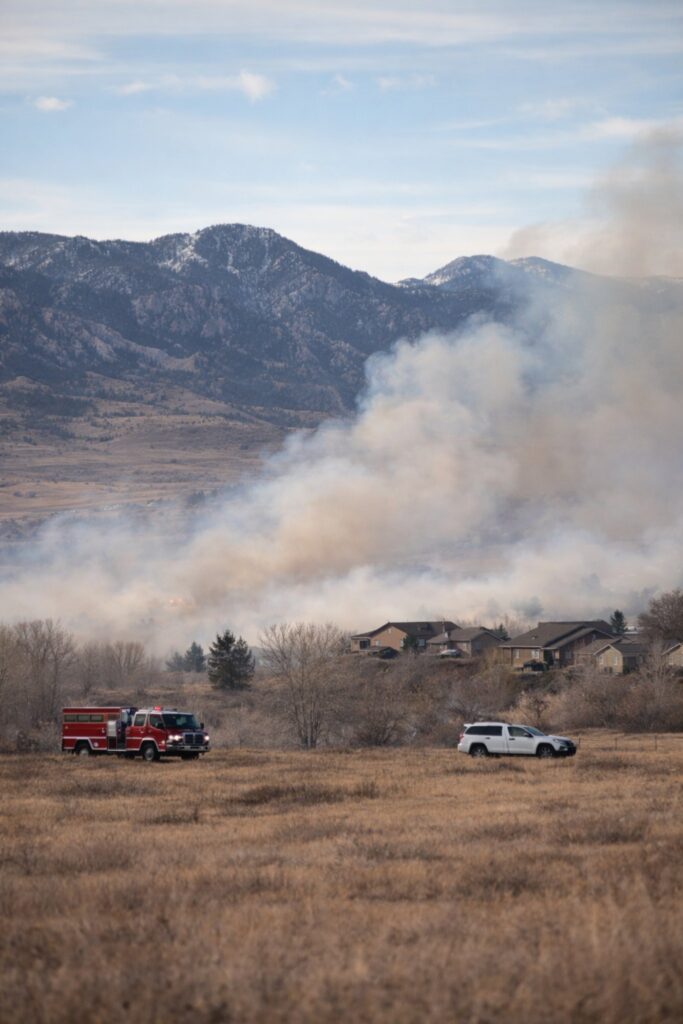
Search interest around “Boulder County wildfire” and “evacuations lifted” often surges when a fire threatens homes or major roads—and then shifts again when conditions improve. In many Boulder County-area incidents, the early hours are the most volatile: wind changes, dry fuels, and limited visibility can push flames quickly, prompting officials to move people out before escape routes become unsafe.
When you see “evacuations lifted,” it usually doesn’t mean “risk is gone.” It means the immediate threat to life has eased enough that authorities believe residents can return with precautions, while crews continue mop-up and monitoring.
Why evacuations were ordered
Wildfire evacuations are primarily about time. Fire doesn’t need to reach a neighborhood to become deadly—smoke, embers, and blocked roads can trap people long before flames arrive. Officials typically order evacuations when several risk factors stack up:
- Rapid spread potential: Gusty winds and dry vegetation can turn a small ignition into a fast-moving fire.
- Unpredictable direction: A shift in wind can change the fire’s path within minutes.
- Limited exit routes: If a community has only a few main roads, a closure can create bottlenecks.
- Heavy smoke and poor visibility: This slows emergency response and makes driving hazardous.
- Ember risk: Flying embers can ignite spot fires ahead of the main fire line.
In practice, evacuation decisions lean conservative—especially in the Boulder County area, where terrain, open space, and seasonal wind patterns can amplify fire behavior. Authorities would rather order an evacuation early (and lift it later) than wait until roads are compromised.
Why evacuations are being lifted now
Evacuation orders are lifted when incident commanders believe the immediate life-safety threat has dropped. That usually happens because one or more of the following has changed:
- Fire spread slows: Winds ease, humidity rises, or crews establish effective control lines.
- Containment improves: Containment doesn’t mean “out,” but it indicates the fire’s perimeter is more stable.
- Spot-fire risk drops: Reduced ember activity lowers the chance of fire jumping lines near homes.
- Access improves: Key roads reopen or traffic control becomes workable for safe re-entry.
- Structure protection is in place: Engines and crews are staged to respond quickly if conditions worsen.
Lifting evacuation orders is also a resource decision. Keeping large areas evacuated for long periods is disruptive and expensive—but officials won’t lift orders if they expect conditions to deteriorate quickly. If the forecast changes, a lifted evacuation can be reissued.
What residents should do after returning
If you’re allowed back, treat it like a cautious re-entry. Even after a fire is “contained,” hazards can linger—smoke, downed lines, drifting ash, and hot spots.
- Check official updates first: Follow the county’s emergency alerts and re-entry instructions.
- Drive slowly and expect closures: Crews and heavy equipment may be working roadside.
- Protect your lungs: Smoke can persist; limit outdoor activity if air quality is poor.
- Inspect your property safely: Watch for ash piles, smoldering debris, or damaged utility lines.
- Be ready to leave again: Pack essentials and keep your phone charged in case conditions change.
For ongoing official guidance and localized alerts, use Boulder County emergency resources such as Boulder County Office of Emergency Management updates.
Air quality, smoke, and health: what to watch
Smoke can travel far beyond the fire area. Even when evacuations lift, air quality may remain the biggest day-to-day impact—especially for children, older adults, and people with asthma or heart conditions.
If the air smells smoky or visibility is hazy, consider keeping windows closed, running a clean filter indoors, and reducing strenuous outdoor activity. You can track conditions using AirNow’s air quality updates.
How to follow updates without getting overwhelmed
During fast-changing incidents, misinformation spreads quickly. The simplest way to stay grounded is to rely on one or two official channels and check them at set times (for example, morning and early evening), unless an alert pings your phone.
- Official county alerts: evacuation zones, re-entry instructions, closures
- Fire/incident updates: containment progress, operational changes
- Air quality sources: health impact, activity guidance
For more reader-first explainers and updates across major stories, you can also browse the latest on Swikblog.
FAQ
Does “contained” mean the fire is out?
No. Containment means crews believe the fire is unlikely to spread beyond a defined perimeter. Hot spots can remain and flare-ups can happen, especially if winds return.
Why were some areas evacuated while others weren’t?
Evacuation zones are based on where fire behavior is most likely to threaten people and where roads could become unsafe. Boundaries may look uneven because they follow terrain, fuel types, and evacuation routes.
Can evacuation orders be reinstated after they’re lifted?
Yes. If conditions change—wind shifts, spot fires appear, or control lines fail—authorities can reissue orders quickly.
Bottom line: Evacuations are ordered early to protect life when a wildfire is unpredictable, and they’re lifted when conditions stabilize enough for safe re-entry—usually with continued monitoring. If you’re returning, stay alert, check official updates, and be ready to adjust if the situation changes.

Make Swikblog your go-to source on Google for reliable updates, smart insights, and daily trends.