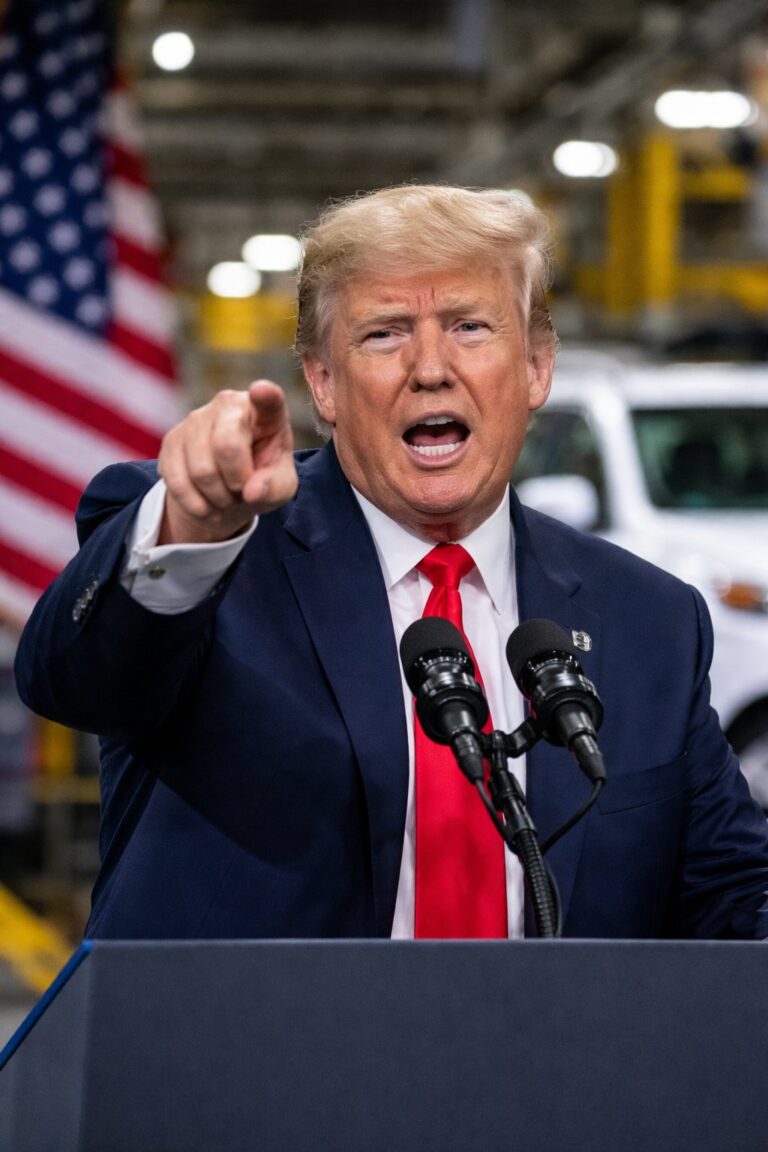

Donald Trump used a Michigan manufacturing stop to take direct aim at Canada’s role in the North American auto industry, saying the U.S. “doesn’t need” vehicles built north of the border and calling the U.S.-Mexico-Canada Agreement (USMCA) “irrelevant.” The comments landed as the trade pact heads into a key review period that could determine whether it continues in its current form or faces renewed political pressure.
Speaking while touring a Ford facility in Dearborn, Michigan, Trump argued that America should make more of its own products — especially cars — instead of relying on imports from Canada and Mexico. According to reporting from Reuters, Trump said there’s “no real advantage” to the agreement for the U.S., while suggesting Canada “needs it” more than the United States does.
Why the USMCA comment matters right now
The USMCA (known as CUSMA in Canada) is the framework that governs most trade across North America and replaced NAFTA in 2020. It includes detailed rules affecting major industries, including autos — from where parts come from to how much of a vehicle must be produced within North America to qualify for tariff-free treatment.
What makes Trump’s statement especially significant is timing: the deal is slated for a major review window, meaning the three countries must reassess the agreement’s future. Reuters noted the pact faces a scheduled joint review this year, and Trump’s remarks signal he may be willing to let it expire or demand changes rather than treat renewal as automatic. Reuters
Autos are deeply intertwined across the border
Canada and the U.S. have one of the most integrated auto supply chains in the world. Vehicles assembled in either country often contain parts that cross the border multiple times before final assembly. That’s why trade language — and the certainty it brings — matters not only to automakers, but also to workers, suppliers, and local economies on both sides of the border.
Trump’s “we don’t need their product” message is a sharp escalation in tone that could increase uncertainty for manufacturers planning multi-year investments. Another Reuters report from the same day described Trump’s Detroit-area trip as a push to re-center the political conversation on U.S. manufacturing, jobs, and economic confidence — with trade policy sitting right in the middle of it. Reuters
What Trump said in Michigan
In remarks reported across multiple outlets, Trump framed the issue as a straightforward “build it here” choice. The Associated Press described the visit as part of a broader effort to promote U.S. manufacturing while addressing worries about prices and the job market. Associated Press
He also downplayed any urgency to renegotiate the trade pact, suggesting it wasn’t top-of-mind — even as businesses and regional leaders watch closely for clarity on what happens next.
What happens next
In practical terms, a major shift in U.S. trade posture could create new pressure points for Canada, especially in sectors where cross-border production is the norm. Even talk of walking away from USMCA can influence business decisions: companies may delay investments, reroute supply plans, or hedge against possible tariffs and new restrictions.
For Canada, the biggest near-term question is whether Trump’s comments are a negotiating stance ahead of review talks — or an early signal of a harder line that could reshape the agreement. For consumers, the stakes are also real: disruption to integrated auto supply chains can ripple into availability, costs, and delivery timelines.
For a plain-language overview of what the USMCA covers, you can also reference the official agreement materials from the Office of the U.S. Trade Representative. USTR: United States–Mexico–Canada Agreement
Read more: Explore more Canada coverage on Swikblog: Swikblog Canada

Make Swikblog your go-to source on Google for reliable updates, smart insights, and daily trends.