
Singapore Airlines is entering a careful fleet transition as delays to Boeing’s 777-9 programme leave the carrier with fewer long-haul aircraft than planned for the year ahead. The airline is still expanding its total passenger fleet, but the growth is coming from smaller regional jets rather than the widebody aircraft that support its most important international routes.
For the financial year ending March 31, 2027, Singapore Airlines plans to retire one Boeing 777-300ER while adding five Boeing 737-8 MAX aircraft. That will lift the mainline passenger fleet from 148 to 152 aircraft, but the widebody fleet will fall from 75 to 74 jets. It marks the airline’s first widebody reduction in nearly six years.
The change highlights a timing problem rather than a demand problem. Singapore Airlines has been waiting for the Boeing 777-9 to begin the next phase of its long-haul renewal plan. The aircraft is expected to bring new premium cabins, better operating efficiency and replacement capacity for older 777-300ERs. However, repeated delays mean no 777-9 deliveries are expected in the airline’s fleet plan before April 2027.
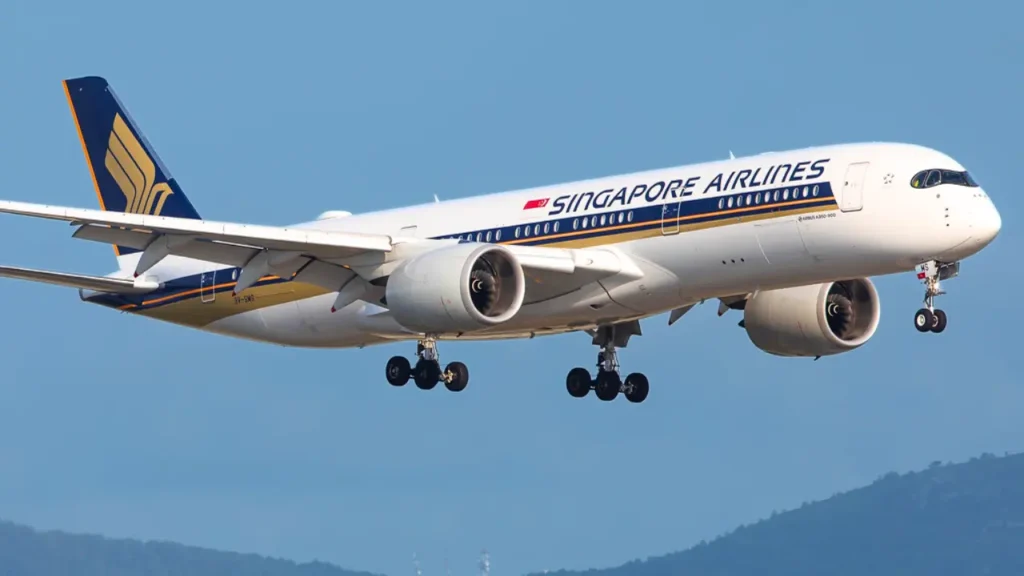
Singapore Airlines’ long-haul fleet currently includes 34 Airbus A350-900 Long Haul aircraft, seven Airbus A350-900ULR jets, 12 Airbus A380s and 22 Boeing 777-300ERs. Once the next 777-300ER exits service, the 777-300ER fleet will fall to 21 aircraft. The aircraft type remains important for premium routes, but it is also one of the older parts of the carrier’s widebody operation.
The airline has 31 Boeing 777-9 aircraft on order, making the delayed jet central to its future network and cabin strategy. According to Singapore Airlines’ official investor updates, fleet planning remains tied closely to aircraft deliveries, retirements and capital expenditure decisions.
The 777-300ER retirement will also reduce premium seat availability. A single aircraft removal takes away four First Class seats and 48 long-haul Business Class seats from the operating fleet. That matters because Singapore Airlines’ First Class and Suites footprint is already far smaller than it was before the pandemic.
There is another near-term capacity challenge. Singapore Airlines is preparing to retrofit its Airbus A350 Long Haul and A350ULR aircraft with new premium cabins. That work is expected to begin toward the end of 2026, with upgraded aircraft entering service from early 2027. While the retrofit programme will improve the passenger product, aircraft will need to spend time out of service, reducing available long-haul capacity during parts of the upgrade cycle.
The A350ULR upgrade is especially important because it will introduce First Class to the ultra-long-range fleet for the first time. These aircraft operate some of Singapore Airlines’ longest routes, where premium demand is a key part of the business case. The future 777-9 fleet is also expected to arrive with the airline’s new First and Business Class products already installed.
Read More
On the short-haul and regional side, the fleet story looks different. Five additional Boeing 737-8 MAX jets will increase the type’s count from 21 to 26 aircraft. These aircraft help Singapore Airlines serve regional markets more efficiently, especially where demand does not justify a widebody aircraft. However, they cannot replace the long-haul range, cargo capacity or premium cabin scale of a 777-300ER, A350 or A380.
The Boeing 787-10 fleet will remain unchanged at 28 aircraft during the same period, with no deliveries scheduled in FY26/27. That leaves the 737-8 MAX as the only source of mainline passenger fleet growth for the year.
Boeing’s 777X delays have become one of the most closely watched aircraft development stories in global aviation. The programme was launched in 2013, but certification and production delays have pushed first customer deliveries into 2027. Lufthansa is expected to receive the aircraft before Singapore Airlines, meaning SIA’s first 777-9 arrivals could come later in the delivery cycle.
For Singapore Airlines, the latest fleet plan does not signal weakness. The carrier remains profitable, premium-focused and disciplined in how it manages aircraft deployment. But it does show how one delayed aircraft programme can reshape route planning, cabin availability and retirement timing across a major international airline.
Readers tracking aviation fleet and safety developments can also read Swikblog’s coverage of United Airlines’ Boeing 787 emergency landing incident.
Singapore Airlines now faces a narrow bridge period. It must manage strong premium demand, A350 cabin upgrades and 777-300ER retirements while waiting for the 777-9 to arrive. Once deliveries begin in meaningful numbers, the airline should be better positioned to rebuild long-haul capacity and modernize its flagship premium fleet.

Make Swikblog your go-to source on Google for reliable updates, smart insights, and daily trends.