
Tasmania’s new pet-friendly rental laws were introduced with a simple promise: tenants should not have to choose between having a home and keeping a pet they love. But only months after the reforms came into effect, a tribunal decision involving a rescue kitten named Periwinkle has exposed a major loophole that could still leave many renters unable to keep animals in their homes.
The case has become the first significant legal test of Tasmania’s updated tenancy rules, which were designed to make it harder for landlords to reject pets without valid reasons. Under the new laws introduced in March, tenants are presumed to be allowed to keep pets unless a landlord can demonstrate reasonable grounds for refusal.
However, the ruling from the Tasmanian Civil and Administrative Tribunal (TASCAT) shows those protections may not fully apply to renters living in strata-managed apartments or unit complexes.
What happened in the Periwinkle case
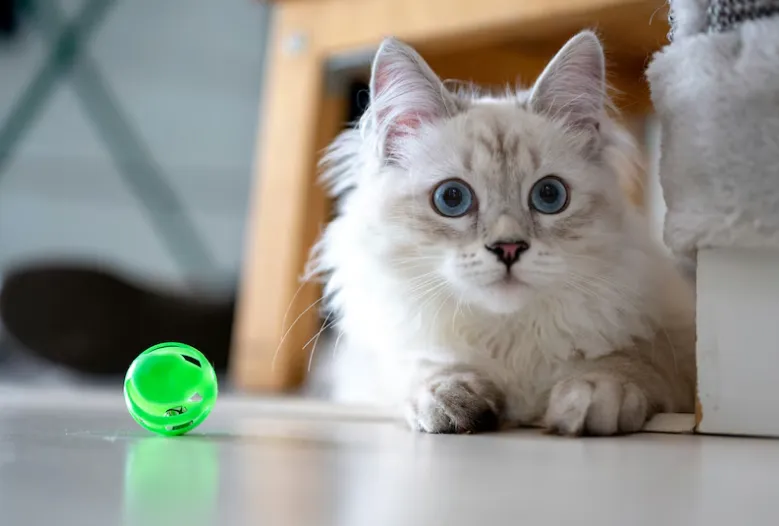
The dispute involved a tenant living in a one-bedroom unit that formed part of a four-unit strata complex. The tenant applied for permission to keep Periwinkle, a six-month-old rescue kitten, inside the rental property.
But the strata by-laws attached to the complex stated that no animal could be brought onto or kept in a unit without written approval from the body corporate. The tenant’s request was refused by the strata manager acting on behalf of the body corporate.
After the body corporate denied permission, the landlord also refused written consent and referred the dispute to TASCAT to determine whether the refusal was reasonable under Tasmania’s new tenancy laws.
The landlord argued that the property was not suitable for the kitten because it was close to traffic and lacked outdoor space. But TASCAT deputy president Richard Grueber rejected those concerns as speculative and unsupported by evidence. He also acknowledged that the tenant intended to keep Periwinkle indoors.
The tribunal made it clear that if those concerns had been the only issue, the refusal likely would have been considered unreasonable.
Instead, the body corporate’s earlier decision became the decisive factor. Because the strata by-laws legally required approval for pets and that approval had already been denied, the tribunal ruled that landlord consent would have “no practical effect”.
The official Tasmanian Government guidance explains that landlords can only reject pets on specific reasonable grounds and usually need tribunal oversight. Full details are available through Consumer, Building and Occupational Services Tasmania.
Read More
Why tenant advocates say the laws still fall short
The ruling has triggered concern from housing advocates who believe the reforms do not go far enough for renters living in units and apartments.
Acting principal solicitor for the Tenants’ Union of Tasmania, Alex Bomford, said the organisation warned the government during consultation that strata by-laws could undermine the new tenancy protections. He argued that body corporates should not have unrestricted power to block pets without proper oversight.
The union now wants Tasmania’s Strata Titles Act amended so body corporates cannot impose blanket pet bans without a similar reasonableness test to the one landlords face under tenancy law.
The decision also sends an important message to landlords. General concerns about pet safety, noise or property damage may not be enough to justify refusing a pet request unless supported by evidence. But existing strata rules may still provide a lawful pathway for rejecting applications.
For tenants, the case highlights the importance of checking strata by-laws and body corporate rules before signing a lease or adopting a pet.
Swikblog recently explored another major Australian policy shift affecting everyday households in its report on Australia’s new minimum pay protections for food delivery drivers.
For now, Periwinkle’s case has become more than a local tenancy dispute. It has raised broader questions about whether Tasmania’s pet-friendly rental reforms truly protect all renters equally, especially those living in apartment-style housing.

Make Swikblog your go-to source on Google for reliable updates, smart insights, and daily trends.