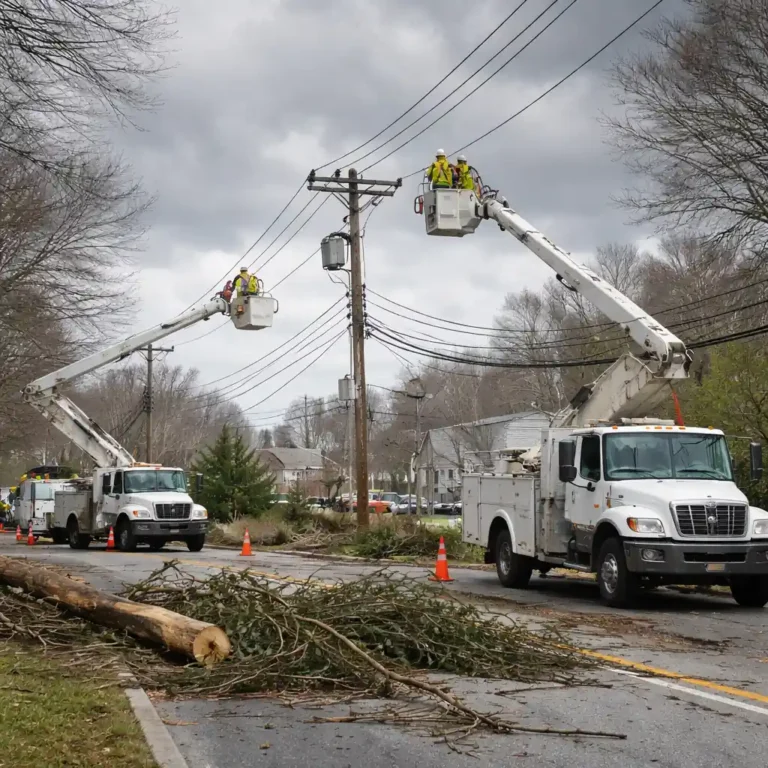

Power outages spread rapidly across Northeast Ohio on Friday as a powerful wind storm pushed through the region, knocking out electricity for tens of thousands of homes and businesses and creating a difficult day for utility crews, drivers and residents across several counties.
The disruption began building through the morning, but by late afternoon the scale had become much more serious. Statewide outages climbed to 160,366, with some of the heaviest impacts concentrated in the Cleveland area and surrounding communities. Cuyahoga County saw the biggest hit, with outage totals rising sharply as wind gusts strengthened through the day.
Outages spread from scattered problems to a regional disruption
Early in the day, outage totals across Northeast Ohio were already climbing as gusts increased. Cuyahoga, Lorain and Geauga counties were among the hardest-hit areas by late morning, with thousands of customers losing service as trees, limbs and power lines were exposed to sustained wind pressure.
By the afternoon, the picture had worsened significantly. Cuyahoga County alone reported 77,713 outages, while Lorain County rose to 10,437. Summit County reached 7,366, Lake County 3,349, Medina County 4,164, Portage County 2,908, and Geauga County 2,853. Other affected counties included Erie at 5,070, Huron at 5,401, Richland at 10,632, Ashland at 2,442 and Stark at 1,314.
The speed of that increase showed how quickly the storm turned from a weather concern into a broad infrastructure problem. In some communities, localized outages affected large shares of customers, leaving entire pockets of neighborhoods without service even while nearby areas saw only scattered interruptions.
Cleveland neighborhoods and local communities saw heavier pockets of damage
Inside Cleveland, municipal outage reports pointed to particularly large disruptions in several neighborhoods. The North Collinwood and Collinwood Railyard area was among the most affected, with about 2,258 customers without power. The Lee-Harvard area also saw a major outage affecting roughly 1,837 customers. Smaller but still notable outages were reported near Union Avenue and East 91st Street, as well as in parts of downtown Cleveland.
Outside the city, some suburban and township communities were hit disproportionately hard. Sheffield Township in Lorain County stood out as one of the more severe examples earlier in the day, with around 915 customers out, representing roughly 44% of customers served in that area. That kind of concentration suggested isolated damage points were capable of knocking out service for large sections of smaller communities in one blow.
High winds drove the surge in outages
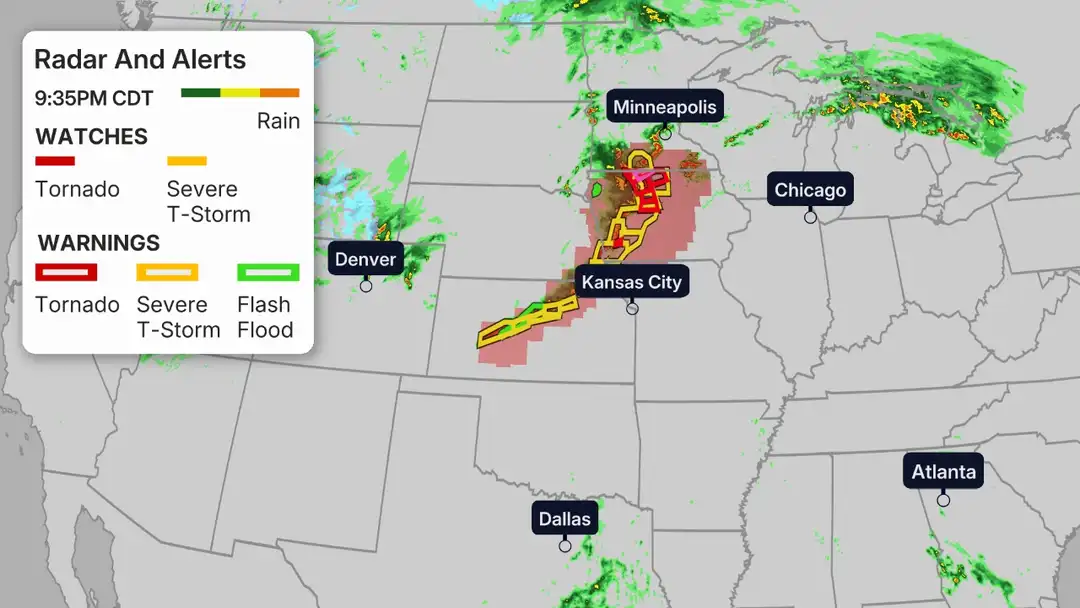
The main driver behind the outages was the strength of the storm itself. Forecasters warned that gusts could reach 50 to 60 mph, with some areas potentially seeing winds as high as 65 mph. Those conditions are strong enough to topple weakened tree limbs, tear down utility lines and create dangerous debris across roads and neighborhoods.
A high wind warning remained in effect across much of Northeast Ohio, with the strongest conditions expected from late morning into the afternoon before gradually easing later at night. Even with lighter conditions expected after dark, restoration was never likely to be immediate because crews first had to deal with hazardous access points, live wires and continuing gusts.
For residents tracking conditions or restoration work, the latest utility updates can be followed through the FirstEnergy outage map, which remained a key reference point as the numbers continued changing throughout the day.
Travel conditions also became more difficult
The weather impact extended beyond power service. Strong crosswinds made travel riskier, particularly for trucks, buses and other high-profile vehicles. Restrictions were put in place on the Ohio Turnpike for certain trailers and taller vehicles along the full 241-mile toll road as officials responded to the dangerous wind setup.
Light rain and snow showers also moved through parts of northern Ohio, though the larger concern remained the wind itself. The combination of fallen branches, scattered debris, damaged utility infrastructure and restricted visibility in bursts of precipitation made for a tense stretch across the region.
By Friday evening, the story across Northeast Ohio was no longer simply about rough weather. It had become a day defined by widespread outages, blocked routes, neighborhood-level disruptions and a restoration effort likely to continue well after the worst gusts moved out. For many households, the biggest issue was not just losing power, but waiting to see how long it would take to get it back.



Make Swikblog your go-to source on Google for reliable updates, smart insights, and daily trends.