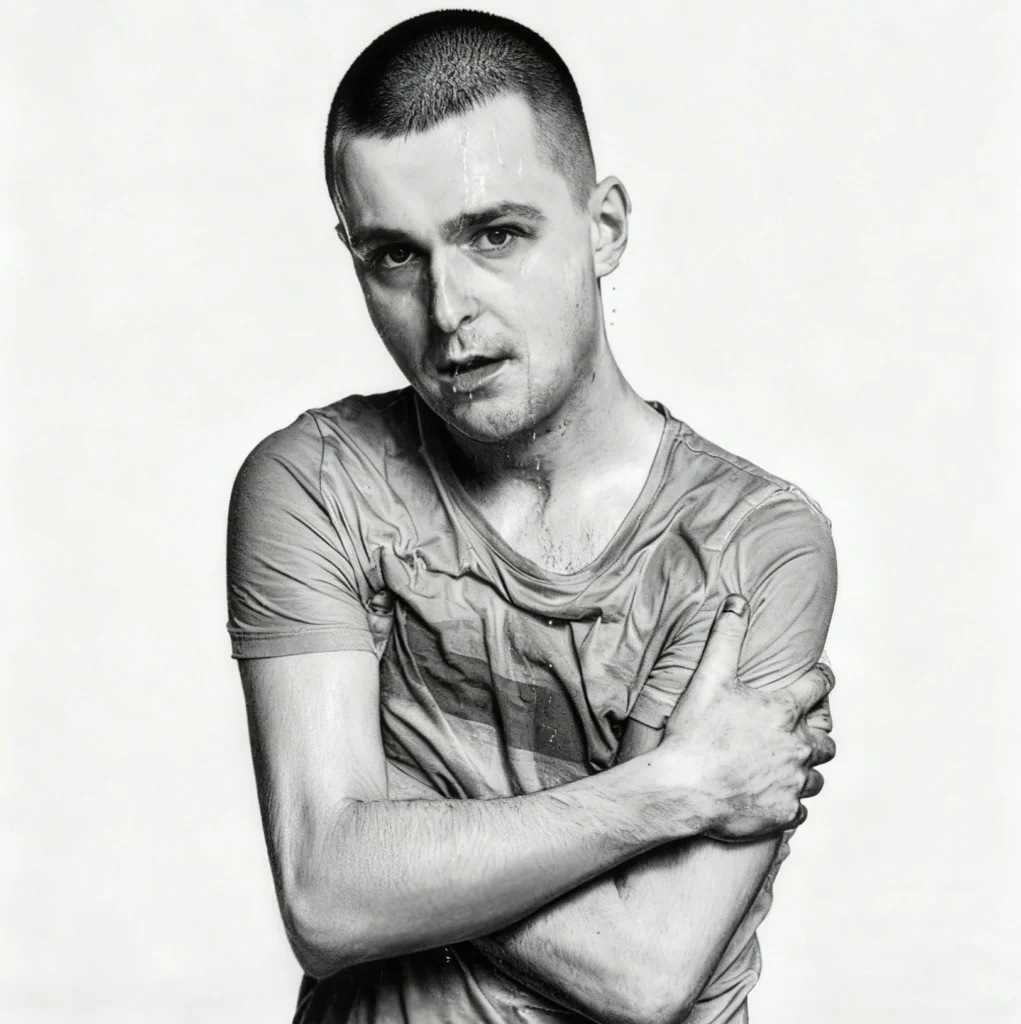

Trainspotting is back — but not as audiences remember it. Nearly 30 years after the cult classic shocked Britain, author Irvine Welsh is relaunching his iconic story as a West End musical, and it’s already generating massive buzz. But this time, the focus isn’t just heroin addiction — it’s something far more relatable in 2026: social media, dopamine addiction, and the collapse of modern creativity.
Trainspotting The Musical will officially open on July 15 at London’s Haymarket Theatre, bringing back legendary characters like Renton, Begbie, Sick Boy, and Spud. However, Welsh has made it clear — this isn’t just a nostalgic revival. It’s a bold update designed to reflect today’s world, where addiction has evolved far beyond drugs.
The announcement alone has sparked intense debate, but what’s driving the biggest attention is Welsh’s brutally honest take on modern society. In a wide-ranging interview, the 67-year-old author didn’t hold back, claiming social media has become “a haven for losers” and that internet culture has played a major role in killing British creativity.
Trainspotting Musical Brings a Modern Addiction Twist
When Trainspotting first arrived in the 1990s, it exposed the harsh realities of heroin addiction and working-class struggles in Edinburgh. The 1996 film adaptation, directed by Danny Boyle, became a global hit, earning around £57 million and launching stars like Ewan McGregor, Jonny Lee Miller, and Robert Carlyle.
Now, the musical version is expanding that narrative. Welsh says addiction today is far bigger and more complex. Instead of focusing only on drugs, the story will reflect modern dependencies such as:
- Social media and dopamine addiction
- Online gambling
- Processed food and unhealthy consumption habits
- Prescription drugs linked to anxiety and depression
According to Welsh, street drugs are now “a very small part” of a much wider addiction crisis.
Irvine Welsh Blasts Social Media and Digital Culture
One of the biggest reasons this story is trending is Welsh’s explosive criticism of the digital age. He argues that smartphones and social platforms have fundamentally changed human behavior.
“We’re all walking around with mobile phones stuck to our faces, sucking dopamine into our systems,” he said, describing users as “slaves to algorithms.”
He also claimed social media is now dominated by “performative rubbish,” fundraising schemes, and attention-seeking content, adding that smarter users are already starting to move away from it.
Welsh even suggested that platforms like X (formerly Twitter) are not just part of the problem — they are the problem itself, calling them a “common enemy” that fuels division and distraction.
For readers exploring the broader mental health impact of digital habits, resources like NHS Every Mind Matters provide guidance on managing screen time and wellbeing.
Why Welsh Says British Creativity Has Declined
Perhaps the most controversial part of Welsh’s argument is his claim that British creativity has effectively stalled since the 1990s.
He describes that decade as both a “celebration” and a “requiem mass” for UK culture — suggesting it was the last time music, art, and film had real depth and shared meaning.
Today, he believes creativity still exists, but lacks context and connection. Artists are producing content in massive volumes, often from isolation, without the cultural experiences that once shaped great work.
“You can get dance music made by people who’ve never danced,” he said. “Band music by people who’ve never been in a band.”
This shift, according to Welsh, has created a more “soulless” creative environment — one driven by algorithms rather than real human experiences.
AI, Job Loss Fears and a Changing Society
Welsh also raised concerns about artificial intelligence and its impact on society. He pointed out that even global leaders are openly discussing how many jobs AI could replace, creating anxiety across all social classes.
Unlike the 1990s, where economic struggles were largely tied to working-class communities, Welsh believes today’s uncertainty affects everyone — including professionals and middle-class workers.
He warned that this shift is making people feel “economically and spiritually redundant,” contributing to a wider sense of disconnection and dissatisfaction.
What to Expect from the West End Musical
Despite the heavy themes, Welsh insists the musical will still entertain audiences. The production will combine:
- High-energy performances
- Music and dance
- Multimedia elements, including screens and visuals
One of the most iconic scenes — Renton diving into the infamous “Worst Toilet in Scotland” — is expected to be recreated using a creative mix of stage effects and digital visuals.
Welsh has hinted at a bold and immersive experience, suggesting the show will feel like “a real trip” for audiences while still delivering emotional depth.
For updates on West End shows and theatre listings, visit Official London Theatre.
Final Take
The return of Trainspotting is more than just a nostalgic revival — it’s a reflection of how addiction, culture, and society have evolved over the past three decades. Irvine Welsh’s unfiltered criticism of social media and modern life has only amplified interest, turning the musical into one of the most talked-about theatre launches of 2026.
With themes that hit close to home for today’s audiences, Trainspotting The Musical could do exactly what the original did — challenge, shock, and spark conversation. The difference now is that the addiction story is no longer about a distant subculture. It’s about everyday life in the digital age.

Make Swikblog your go-to source on Google for reliable updates, smart insights, and daily trends.