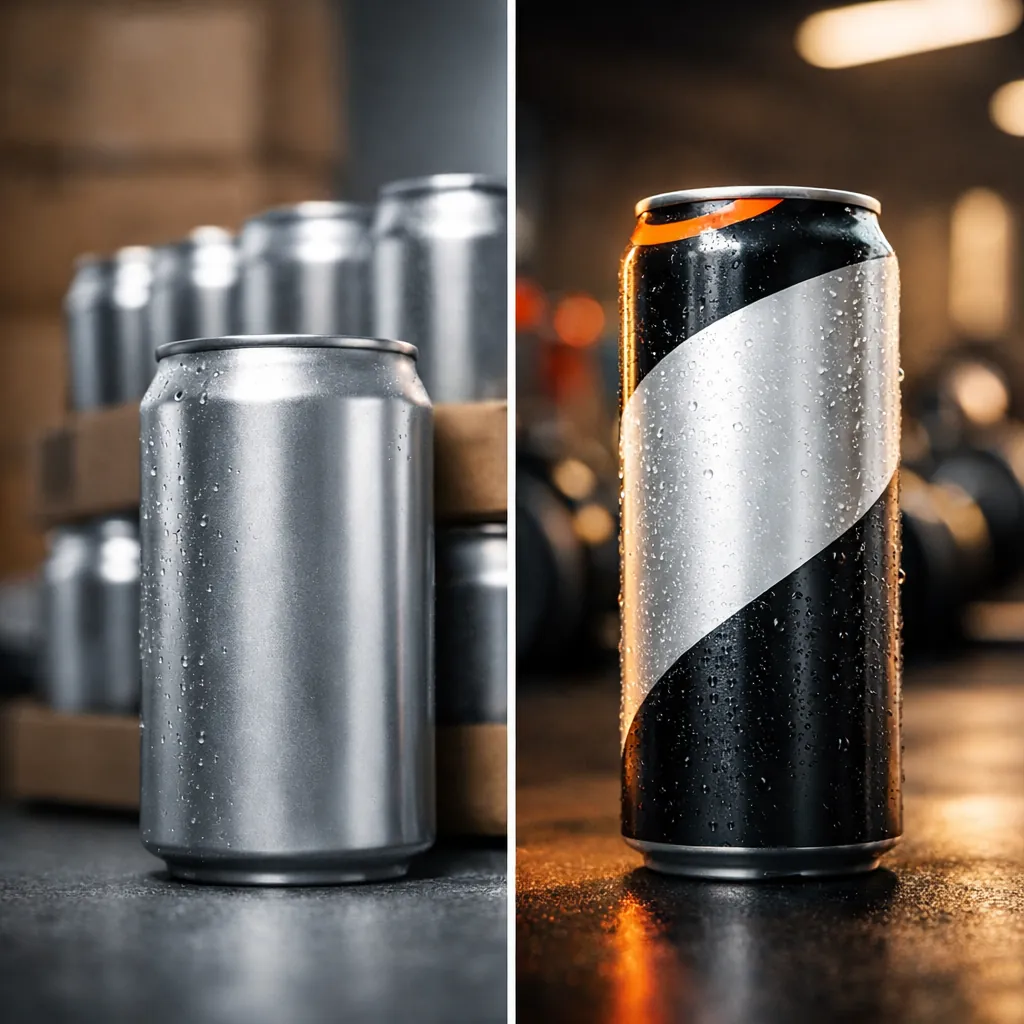

Celsius Holdings (NASDAQ: CELH) saw its stock drop nearly 7% after Costco introduced a new Kirkland Signature energy drink priced at just $0.70 per can. The sudden move triggered concerns across the market, with investors fearing a potential price war and market share disruption in the fast-growing energy drink category.
But is this reaction justified, or is the market overreacting to a headline-driven narrative? A deeper look at Celsius’s business model, distribution strength, and growth trajectory suggests that the long-term story may remain intact.
Why CELH Stock Dropped 7%
The decline in CELH stock was largely sentiment-driven. Images of Costco’s new energy drink quickly went viral across social media platforms like X and Instagram, highlighting the massive pricing gap between Kirkland and Celsius products.
Costco’s offering comes in a 24-pack priced at $16.99, translating to roughly $0.70 per can. Meanwhile, Celsius multipacks at Costco are priced significantly higher, with an 18-pack costing around $28. This sharp difference raised immediate concerns that budget-conscious consumers could switch away from Celsius.
However, price alone rarely determines long-term winners in the beverage industry.
Key Reason 1: Costco’s Distribution Is Extremely Limited
The biggest limitation of the Kirkland energy drink is its restricted distribution model. As a private-label product, it is only available inside Costco stores, which number just over 900 globally.
In contrast, Celsius products are available across a vast network of retail channels, including Walmart, Target, convenience stores, gas stations, and gyms. This accessibility plays a critical role in driving repeat purchases and brand visibility.
Additionally, consumers must have a Costco membership to even try the Kirkland drink. This creates a natural barrier that limits its reach compared to Celsius’s mass-market availability.
Key Reason 2: PepsiCo Partnership Gives Celsius a Massive Edge
One of Celsius’s biggest competitive advantages is its strategic partnership with PepsiCo, which provides unmatched distribution capabilities.
This partnership allows Celsius to:
- Expand rapidly into new retail locations
- Secure premium shelf space in stores
- Scale new product launches quickly
- Reach global markets efficiently
Costco, on the other hand, is not aiming to build a global beverage brand with Kirkland energy drinks. Its strategy is focused on offering a low-cost alternative within its own ecosystem, not competing head-to-head across the entire market.
Key Reason 3: Brand Loyalty vs Price Competition
Celsius is not just another energy drink — it has built a strong identity around fitness, zero sugar, and health-conscious consumers. This positioning has helped the brand attract a loyal and growing customer base.
Private-label products like Kirkland typically appeal to value-driven buyers rather than brand-loyal consumers. While some shoppers may try the cheaper option, there is no guarantee they will switch permanently.
In fact, consumer behavior in beverages often favors consistency. If customers dislike a bulk purchase, they are less likely to repurchase, which can limit long-term adoption of private-label drinks.
Key Reason 4: Innovation and Product Expansion
Celsius continues to innovate aggressively, which is critical in the competitive beverage space. The company is expected to expand into new categories, including potential protein-based energy drinks and new flavor profiles.
Costco’s Kirkland brand, by contrast, is not known for rapid innovation or category expansion. Its role is to provide cost-effective alternatives rather than drive industry trends.
This difference gives Celsius a long-term advantage in staying relevant and attracting new consumers.
Strong Fundamentals Support Celsius Growth
Despite the recent stock drop, Celsius continues to deliver impressive financial performance. The company reported $2.5 billion in full-year revenue, representing a remarkable 86% year-over-year growth.
This growth has been driven by:
- Expansion into new retail channels
- Increased shelf space in convenience stores
- Successful integration of acquisitions like Alani and Rockstar
- Rising demand in the energy drink category
Celsius has also secured its position as the No. 2 energy drink brand in the United States, trailing only Red Bull. This milestone highlights the company’s rapid rise in a highly competitive market.
Changing Consumer Trends Are Favoring Celsius
Another key growth driver is shifting consumer demographics. Celsius CEO John Fieldly noted that the brand is attracting more female consumers than ever before, expanding its addressable market.
The energy drink category itself is also evolving, with healthier and functional beverages gaining popularity. Celsius is well positioned to benefit from this trend due to its clean-label and fitness-oriented branding.
According to insights shared on Yahoo Finance, Celsius is also gaining shelf space by replacing traditional beverages like soda, tea, and even alcoholic drinks in some retail environments.
Was the 7% Drop an Overreaction?
The sharp decline in CELH stock appears to be a classic case of market overreaction. While Costco’s pricing strategy is aggressive, it does not fundamentally change Celsius’s competitive advantages.
History shows that private-label competition often creates short-term volatility in branded consumer stocks, but rarely disrupts strong growth companies with solid distribution and brand equity.
Celsius still benefits from:
- A powerful global distribution network
- Strong brand positioning
- Rapid revenue growth
- Ongoing product innovation
These factors are far more important for long-term success than a single low-cost competitor in a limited retail channel.
Outlook for CELH Stock
Looking ahead, Celsius remains well positioned for continued growth as the energy drink market expands and new consumers enter the category. Analysts continue to view the company favorably due to its strong momentum, innovation pipeline, and distribution advantages.
While short-term volatility may persist, especially in reaction to headlines like Costco’s launch, the long-term investment thesis for Celsius appears largely unchanged.
Bottom line: Costco’s $0.70 energy drink may grab attention, but it is unlikely to disrupt Celsius’s growth trajectory. For investors, the recent dip could be more about sentiment than fundamentals — and that distinction often creates opportunity.

Make Swikblog your go-to source on Google for reliable updates, smart insights, and daily trends.