
By Swikriti Desk
On April 12 every year, the world celebrates a moment that didn’t just break records—it redefined what humanity believed was possible. The International Day of Human Space Flight 2026 marks 65 years since Yuri Gagarin’s historic journey beyond Earth, a flight that lasted just 108 minutes but changed the course of human history forever.
This year’s theme, “65 Years of Space Exploration That Changed Humanity Forever,” reflects not just a milestone, but a journey filled with ambition, innovation, and a shared human dream to explore the unknown. From a single orbit around Earth to multinational missions and space stations, the story of space exploration is now deeply tied to life on our planet.
The Beginning of the Space Age
The roots of this journey go back even earlier than 1961. In 1957, the launch of Sputnik 1, the first artificial satellite, signaled the start of the space age. It was a small object orbiting Earth, but it carried enormous meaning—it proved that space was within reach.
Just four years later, Yuri Gagarin became the first human to orbit Earth. That moment on April 12, 1961, opened a new chapter in human history. It wasn’t just about technological success; it was about expanding the limits of human potential. This is why the United Nations later declared April 12 as an international observance—to celebrate the beginning of humanity’s journey into space and its benefits for all people.
Milestones That Shaped 65 Years of Space Exploration
The decades that followed were filled with achievements that built on that first flight. In 1963, Valentina Tereshkova became the first woman in space, proving that space exploration belonged to everyone. In 1969, Neil Armstrong stepped onto the Moon, turning a global dream into reality. By 1975, the Apollo–Soyuz mission demonstrated that even rival nations could work together in space.
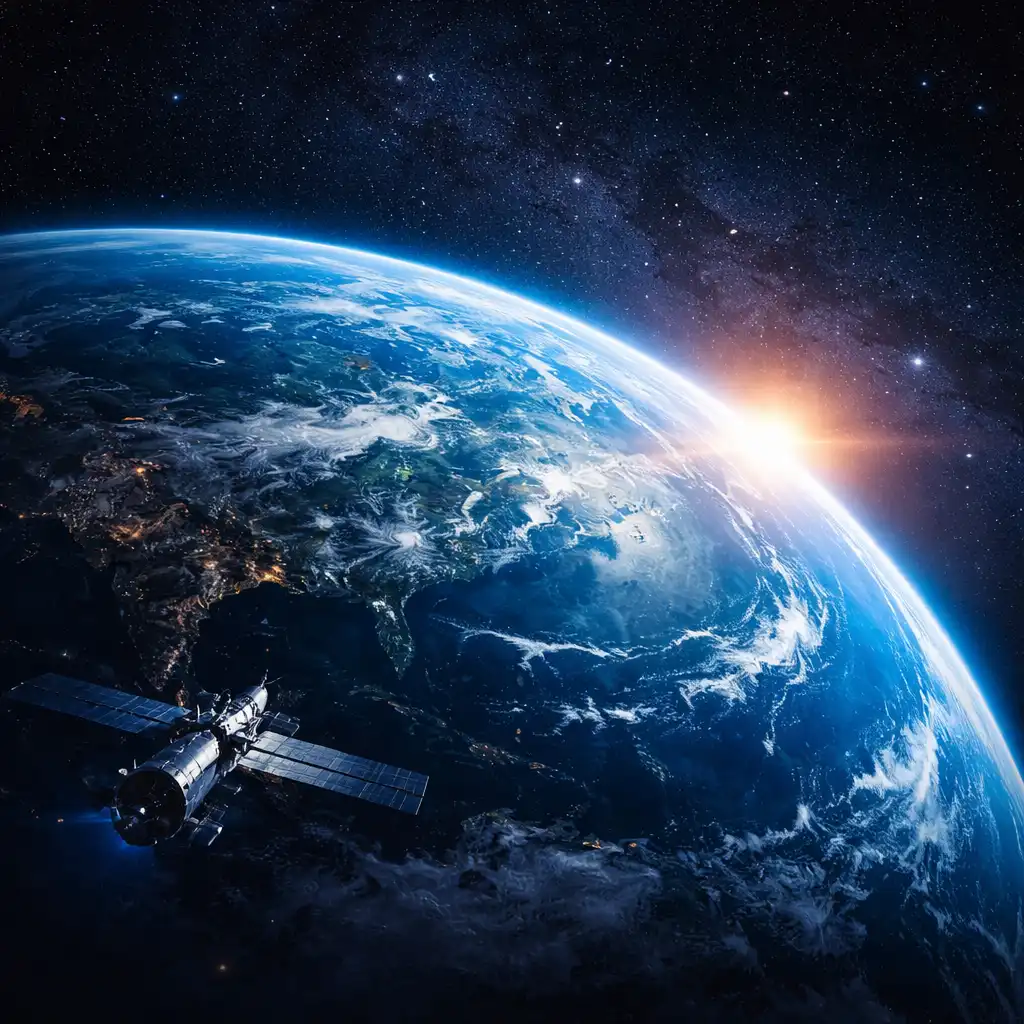
Today, the International Space Station (ISS) stands as one of the most powerful symbols of global cooperation. Astronauts from different countries live and work together in orbit, conducting experiments that benefit life on Earth. For over a decade, humanity has maintained a continuous presence in space, something unimaginable during Gagarin’s time. :contentReference[oaicite:0]{index=0}
These milestones are not just historical events. They represent a shift—from competition to collaboration, from exploration to practical application, and from isolated missions to a shared global effort.
How Space Technology Changed Everyday Life
While space missions may seem distant, their impact is felt every day. Satellite technology supports weather forecasting, GPS navigation, disaster management, communication systems, and even agriculture. The progress that began with early space missions now plays a direct role in modern economies and daily life.
In fact, the global space economy has grown rapidly, with both governments and private companies investing heavily in new missions. From reusable rockets to Mars exploration plans, the next phase of space travel is already underway. The foundation for all of this was laid 65 years ago.
The United Nations and Peaceful Space Exploration
One of the most important aspects of this observance is its focus on peace. The United Nations has long emphasized that outer space should be used for the benefit of all humankind. In 1967, a landmark treaty—often called the “Magna Carta of Space”—came into force, setting principles for the peaceful exploration and use of outer space.
Today, the United Nations Office for Outer Space Affairs (UNOOSA) continues this mission by promoting international cooperation and ensuring that space remains accessible and beneficial to all nations. It also maintains a register of objects launched into space and supports global efforts to use space technology for sustainable development. :contentReference[oaicite:1]{index=1}
A Message to the Universe: The Golden Record
One of the most fascinating symbols of humanity’s space journey is the Voyager Golden Record, launched in 1977. It carries sounds, images, and messages from Earth—a time capsule meant for any intelligent life that might find it.
The record begins with a message of peace and friendship, reflecting humanity’s hope to connect beyond our planet. Decades later, it still reminds us of something simple yet powerful: despite our differences, we are all part of one shared story.
Why This Day Still Matters
In 2026, the significance of this day goes beyond history. It is a reminder of what humanity can achieve when curiosity meets courage. Space exploration has taught us not only about distant planets but also about our own world. Astronauts often speak about seeing Earth from space as a single, fragile planet without borders—a perspective that changes how they view life forever.
This idea feels especially important today. As the world faces global challenges, space continues to offer a unique opportunity for cooperation. It shows that progress is possible when nations work together toward a common goal.
Sixty-five years after the first human spaceflight, the journey is far from over. Plans for lunar bases, missions to Mars, and new technologies are already shaping the future. Yet the meaning of April 12 remains rooted in a simple truth: one flight changed everything.
To explore more about this global observance, visit the official United Nations page. The story of human spaceflight is still unfolding, and its next chapter may be closer than we think.

Make Swikblog your go-to source on Google for reliable updates, smart insights, and daily trends.