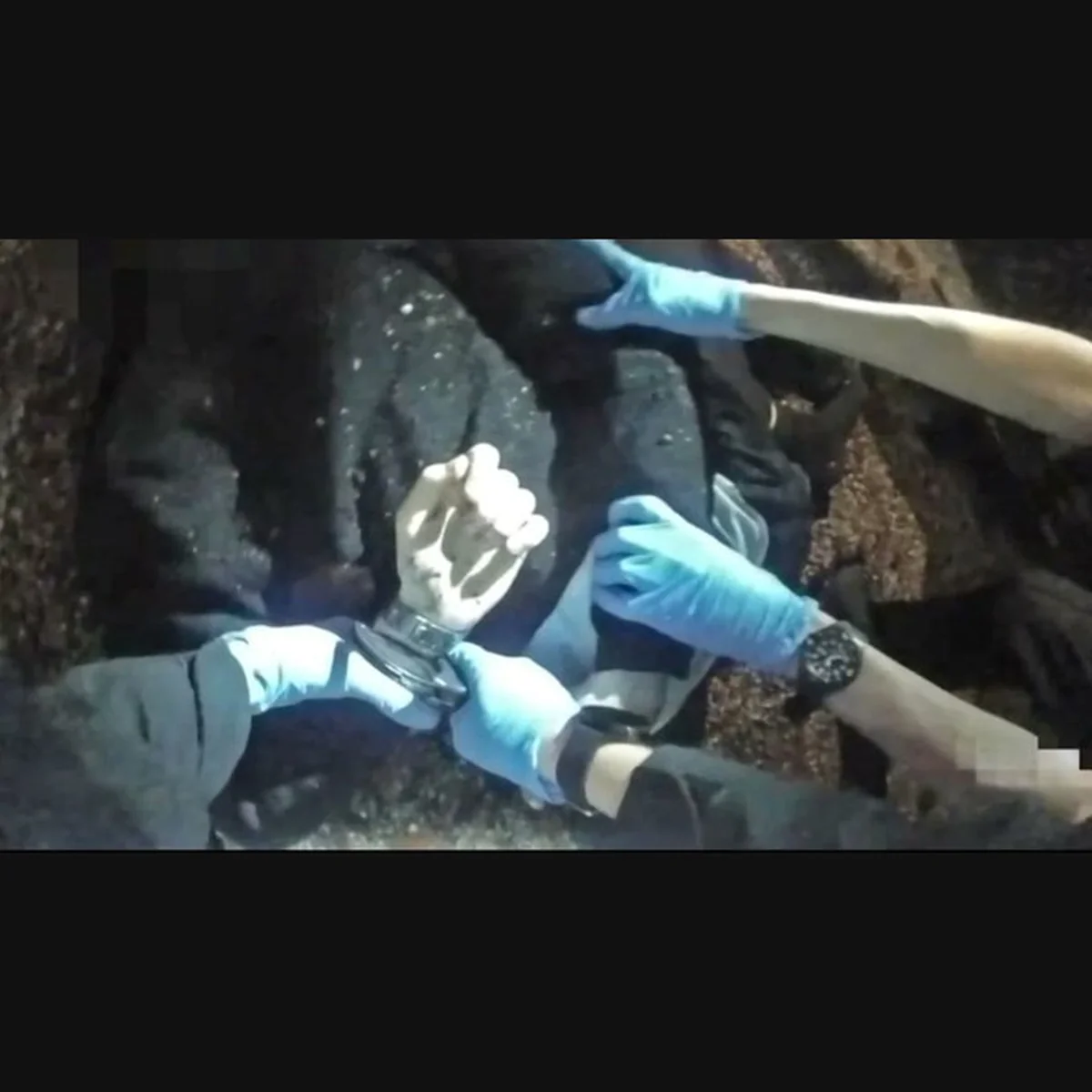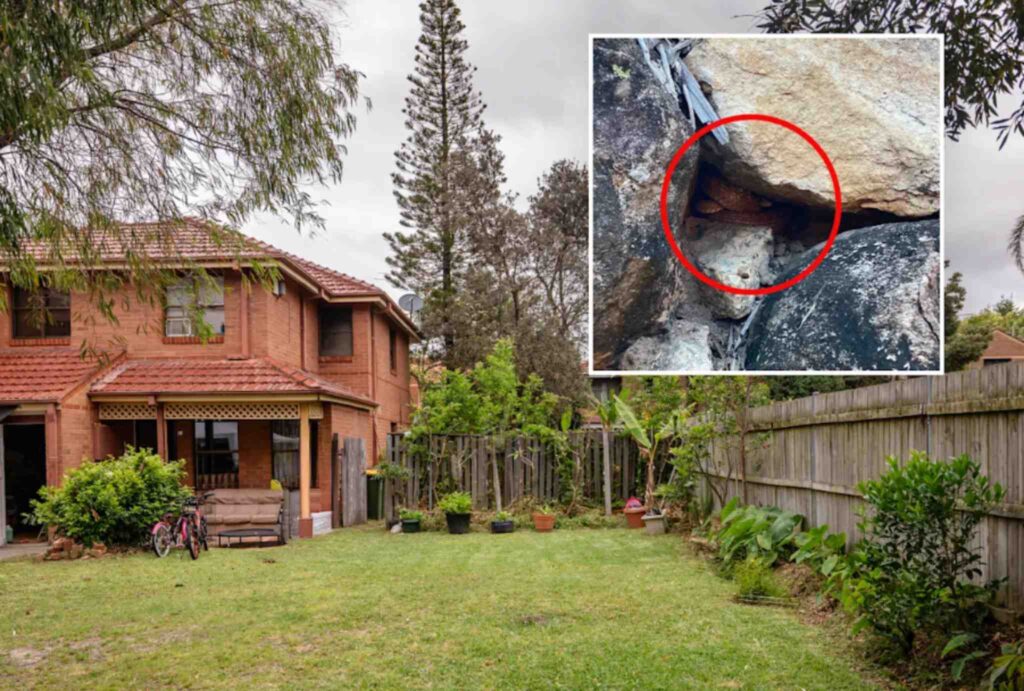

Australians are being warned to expect more encounters with venomous snakes in suburban backyards and public green spaces, as warming temperatures and shifting habitats push dangerous species closer to densely populated parts of the east coast. The alert has gained urgency at the end of the snake season, when reptiles begin searching for sheltered places to hibernate and are more likely to appear around sheds, fences, rock piles and long grass near homes.
The warning follows new international research projecting that medically important venomous snakes will continue moving toward coastal population centres as inland environments become harder to tolerate. The shift is expected to be felt across large parts of Queensland, New South Wales and Victoria, placing more households in the path of species that were once more strongly associated with bushland and rural areas.
That trend is no longer theoretical. Australia recorded a 35 per cent rise in emergency calls linked to snake bites in 2024, a year of unusual warmth and volatile weather. In New South Wales alone, the poison information centre received 320 calls for snake bites between September 1 and December 20, underlining how quickly the risk can escalate during hotter, wetter months.
The immediate concern is not simply that there are more snakes, but that the pattern of human contact is changing. As suburbs expand into former habitat and weather conditions disrupt the places snakes would usually shelter or hunt, the boundary between wildlife space and residential space becomes thinner. What used to be an occasional sighting on the fringe of town is increasingly becoming a callout from a family backyard, a suburban walking track or a school-adjacent reserve.
Why the danger is rising near homes
Snake catchers say the busiest periods are becoming more intense and more prolonged. Late-season warmth, recent rain and the search for dry, secure hiding places create ideal conditions for snakes to move into suburban environments unnoticed. Retaining walls, stacked timber, garden beds, corrugated sheds and overgrown edges can all offer the kind of cover reptiles seek before colder weather settles in.
That helps explain why authorities and wildlife handlers often stress that the risk is not limited to remote areas. Some of the most dangerous encounters now happen in familiar domestic settings, where residents may be gardening, cleaning around outdoor storage areas or letting children and pets use the yard without realising a snake is nearby.
Eastern Australia is especially exposed because it combines fast-growing suburbs, fragmented habitat and a climate that can swing between heavy rainfall and lingering heat. Those conditions can drive both prey and predators into the same narrow strips of usable ground. For residents, that means the danger is less about dramatic wilderness encounters and more about ordinary routines carried out in the wrong place at the wrong moment.
What the new research suggests
The latest study, published in PLOS Neglected Tropical Diseases, mapped the known and projected habitat ranges of 508 medically important venomous snake species worldwide. Its findings point to a future in which climate pressure reshapes where these animals can survive, with some species moving closer to large human populations rather than farther away.
That matters because snakebite is not only a wildlife issue but a public health one. Globally, snakebites cause hundreds of thousands of disabilities and many thousands of deaths each year. In Australia, fatalities remain relatively rare because of access to medical care and antivenom, but that does not reduce the seriousness of a bite or the pressure placed on emergency services, poison centres and local wildlife responders during peak periods.
For households, the practical implication is straightforward: suburban living no longer guarantees distance from one of the country’s most dangerous animals. The seasonal end-point that once suggested the threat was easing may instead be a period of heightened surprise, with snakes seeking quiet shelter in exactly the places people stop checking. As rain and warmth continue to overlap in some parts of the country, that warning is likely to resonate well beyond the traditional snake hotspots.
You may like: Storm Dave UK: 90mph Winds, Snow and 24C Heat Twist Forecast for Next Week

Make Swikblog your go-to source on Google for reliable updates, smart insights, and daily trends.