
A major toy safety scare is unfolding across the UK and Ireland after multiple children’s products — including popular dig kits sold at Smyths Toys — were urgently recalled over fears of asbestos contamination. The alert, issued in early April 2026, has triggered widespread concern among parents, particularly because the affected toys are designed for hands-on play involving sand-like materials.
The recall covers seven excavation-style kits sold under the Smyths Toys brand, alongside other sand-filled toys distributed through major retailers such as Tesco. Authorities say the products may contain trace amounts of asbestos in the sand inside — a substance banned due to its serious long-term health risks.
7 Smyths kits and multiple toys flagged in safety alert
The products at the centre of the recall include a range of brightly coloured “dig and discover” kits designed for children. These toys allow kids to excavate items such as dinosaur figures, gemstones, and pirate treasure from a compact sand block.
The seven affected Smyths Toys products include:
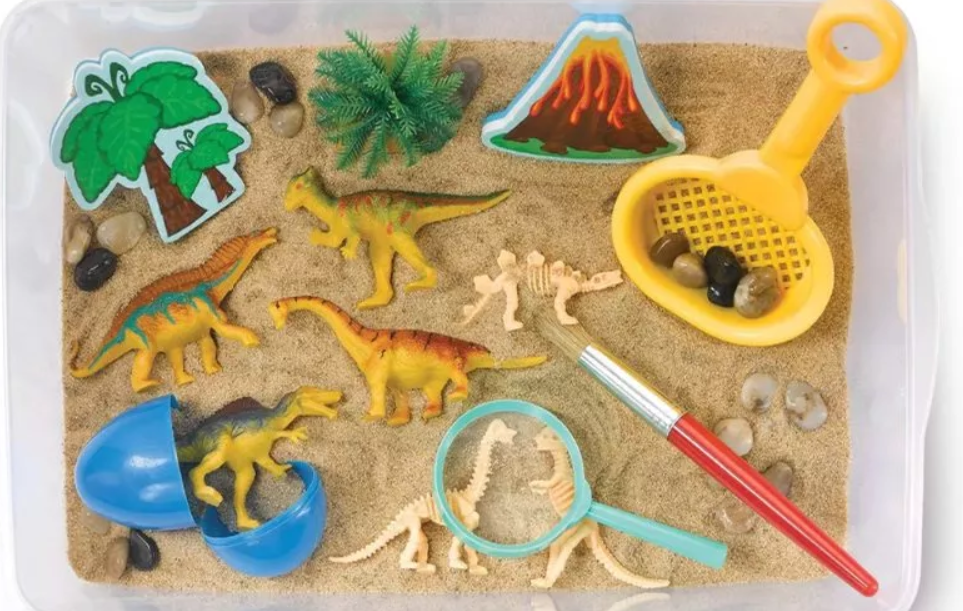
• Dino Dig Sensory Bin
• Dig In Kit GOLD
• Let’s Dig Out Dinosaur Eggs (10pc)
• Gem Dig Kit (12 Gem Pack)
• Dig It Up Pirates 13 Treasure Set
• Dig In Treasure Dig and Discover Play Gold Treasure Chest
• Gem Dig Kit 8 Pack
Alongside these, other sand-filled toys from different suppliers have also been recalled. These include stretchy sand toys such as a monster truck, dinosaur, and pig, as well as “Squishy Pugs” sensory toys sold via Tesco between May 2024 and February 2026.
Regulators say the issue is linked to the sand-like filling used inside these toys, which may contain small quantities of asbestos due to contamination in raw materials sourced globally.
Why asbestos contamination is a serious concern
Asbestos is one of the most dangerous materials ever used in manufacturing. Although it was widely used decades ago, it has since been banned across the UK and EU because of its link to life-threatening diseases.
The risk comes from microscopic fibres that can become airborne when disturbed. Once inhaled, these fibres can lodge in the lungs and remain there for years, potentially leading to conditions such as asbestosis, mesothelioma, and lung cancer.
Experts stress that there is no safe level of exposure. However, health authorities have also noted that the immediate risk from these toys is considered low — particularly if the product remains sealed and undamaged.
The concern increases if the toy has been opened or broken, as this could release dust into the air during play or cleaning.
For official updates and safety notices, parents can refer to the UK product safety alerts page.
What parents are being told to do immediately
Authorities have issued clear and urgent guidance for families who may have purchased any of the affected toys.
Parents are being told to stop children using the products immediately and keep them out of reach. If the toy is still sealed or unused, it should be placed inside a heavy-duty plastic bag, sealed securely, and stored safely until it can be returned or disposed of.
For toys that have already been used, the advice is more detailed. Households should avoid sweeping or vacuuming any spilled sand, as this can spread particles into the air. Instead, surfaces should be cleaned carefully using damp cloths to minimise dust.
Anyone handling the material is advised to wear protective gloves and a mask, such as an FFP2 respirator. All waste — including sand, cloths, gloves, and masks — should be double-bagged, sealed, and clearly labelled before disposal.
Parents should also keep children away from any area where the toy has been used until it has been fully cleaned.
Retailers, including Smyths Toys and Tesco, are offering full refunds for affected products. In most cases, customers do not need a receipt and can return items directly to stores or contact customer service for further instructions.
The Entertainer, which distributes some of the recalled toys, has also provided a dedicated helpline and email support for customers seeking refunds or disposal advice.
This recall highlights a growing issue within the global toy industry, where concerns over raw material sourcing — particularly sand used in sensory and excavation toys — are coming under increased scrutiny.
Some manufacturers have already announced plans to stop using sand-based fillers altogether following the discovery of contamination risks.
While investigations are ongoing, the priority for authorities remains clear: ensure that affected products are removed from homes quickly and handled safely to minimise any potential exposure.
For families, the situation serves as a reminder to check recently purchased toys carefully — especially those involving sand or powder materials — and to follow official safety advice without delay.
For more travel disruption coverage, read Milan Airport chaos leaves easyJet flight passengers stranded.

Make Swikblog your go-to source on Google for reliable updates, smart insights, and daily trends.