
Genesis is facing fresh scrutiny after a U.S. safety action tied to a fuel leak risk expanded into a broader recall covering roughly 235,000 vehicles across Genesis and Kia. What makes this case stand out is not just the number of vehicles involved, but the nature of the problem itself. This is not being framed as a classic design defect or a fundamentally flawed component. Instead, the concern traces back to how a fuel-system part was secured during production, a reminder that in the auto industry, a small assembly inconsistency can quickly grow into a large consumer safety issue.
On the Genesis side, the recall affects 94,760 vehicles, including the G80, G90, GV70 and GV80 from model years 2021 through 2026. Kia accounts for the larger share with 141,032 Carnival minivans from model years 2022 through 2026. Together, the total reaches 235,792 vehicles, making this one of the more notable recent safety campaigns involving Hyundai Motor Group’s shared hardware across multiple brands and vehicle categories.
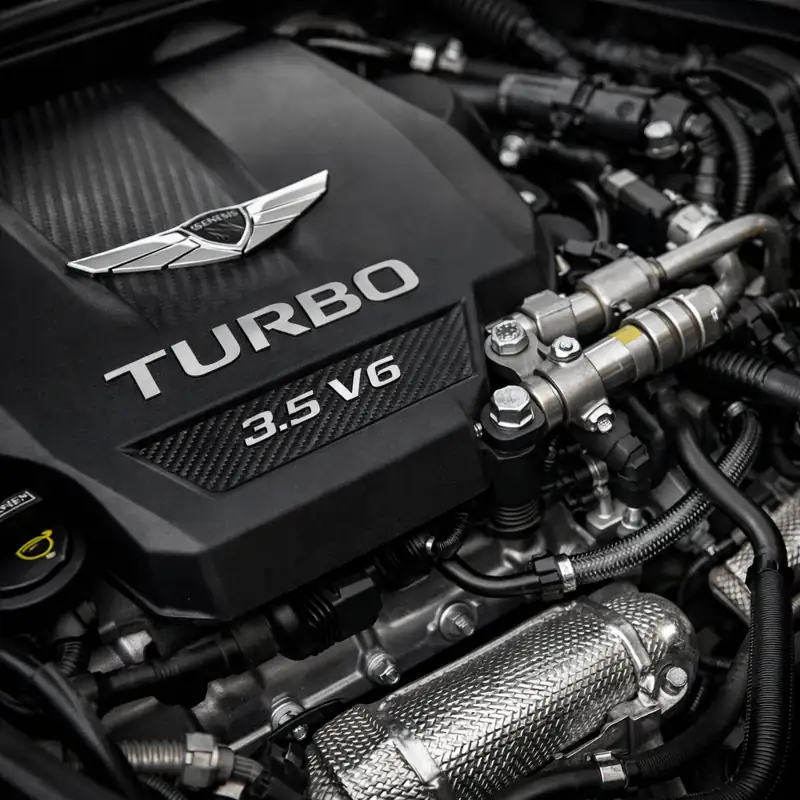
The issue centers on the high-pressure crossover fuel pipe inside the engine bay. The pipe itself is not being described as the faulty element. The real concern is the way the related fasteners were installed during assembly. In the Genesis filings, the problem is linked to insufficient torque stabilizer application, which can allow the fastening force to weaken over time. In the Kia filing, the wording is different, but the practical outcome is the same: the fuel pipe nuts may not have been tightened consistently during production. If those connections loosen, fuel can leak.
That risk matters for one simple reason. Gasoline leaking in the engine compartment creates the possibility of ignition if it reaches a hot surface or an electrical spark. Drivers may notice a fuel odor first. In some cases, warning lights may also appear before a more serious problem develops. Even without reported injuries or crashes, regulators tend to act quickly when a defect has a plausible path to an engine-bay fire. That is why the issue moved from an internal investigation to a formal recall filing with the National Highway Traffic Safety Administration.
The timeline behind the recall adds useful context. Reports of fuel smell appear to have been among the earliest warning signs that pushed the matter into deeper review. For Genesis, more than 100 field reports were identified during the investigation, though no crashes or injuries were linked to the condition. Engineers then reviewed production records, inspected components and narrowed the cause to a manufacturing deviation rather than a design breakdown. That distinction matters for both owners and industry watchers. It means the problem was not that the part was inherently unsafe in every circumstance, but that the process used to secure it was not sufficiently consistent.
This detail also says a lot about how modern recalls develop. Consumers often assume a recall means a car was badly engineered from the start. In reality, many safety actions emerge because production quality did not stay perfectly aligned with engineering intent. In this case, the component supplier, Usui International Korea, is part of the story, but the larger issue appears to be the installation standard at the factory. A loose connection in a fuel system does not need to fail immediately to become dangerous. It can sit unnoticed until vibration, heat cycles and time gradually weaken the connection enough for leakage to begin.
Why this Genesis recall matters beyond the headline number
There is another reason this recall is drawing attention: the shared engine and platform logic behind it. The affected Genesis vehicles are tied to Hyundai Motor Group’s 3.5-liter V-6 engine family, while the recalled Kia Carnival models are linked through a similar fuel-pipe arrangement on non-hybrid versions. That overlap helps explain how one fastening issue can extend across luxury sedans, premium SUVs and a family-focused minivan. In an era of common architectures and multi-brand parts sharing, a single production miss can stretch across several nameplates faster than many drivers realize.
For Genesis, there is also a brand image angle that cannot be ignored. The marque has spent years building credibility as a premium competitor, winning attention for design, cabin quality and value against established luxury rivals. But buyers in that part of the market are not just purchasing comfort or performance. They are buying confidence in execution. A recall connected to fuel leakage does not automatically erase that trust, yet it does create an uncomfortable test of how well the company communicates, how quickly dealers respond and how effectively the remedy is handled once owners begin showing up for service.
Kia faces a different kind of pressure. The Carnival is a family-oriented vehicle, and family buyers tend to react strongly to safety language involving fuel systems or fire risk. Even when the remedy is clear and the risk remains precautionary, those headlines carry emotional weight. That is why the owner communication stage matters almost as much as the technical fix itself. According to the recall details, Kia owner notification letters are expected to begin around June 2, while Genesis letters are expected around June 8.
The repair itself is relatively straightforward. Dealers will inspect the crossover fuel pipe and its fasteners. If the assembly shows no leak, technicians will retighten the relevant connections. If leakage is found, the fuel pipe will be replaced. The work will be performed at no charge, and both brands are expected to reimburse customers who previously paid out of pocket for related repairs. Owners are also being urged to take fuel odor seriously. If a driver notices the smell of gasoline, parking outside and avoiding unnecessary driving until the vehicle is checked would be the cautious move.
The bigger lesson here is that quality control remains just as important as design excellence. A vehicle can be well engineered and still end up in a recall if production discipline slips at a critical point. That is why this Genesis recall deserves attention beyond the headline number. It shows how a small installation error can ripple across multiple brands, affect hundreds of thousands of vehicles and force a public safety response long after those vehicles leave the factory floor. For readers tracking recall trends, manufacturing quality and consumer safety, you can explore more of our latest automotive coverage for similar updates and broader market context.
For now, the immediate takeaway for owners is simple: check whether your vehicle is included, watch for signs such as fuel smell, and get the inspection completed once notifications arrive. For Genesis and Kia, the next chapter will depend less on the filing itself and more on how smoothly they carry out the repair campaign from here.
You may also like: Ford F-150 Recall Hits 1.39 Million Trucks Over Downshift Risk

Make Swikblog your go-to source on Google for reliable updates, smart insights, and daily trends.