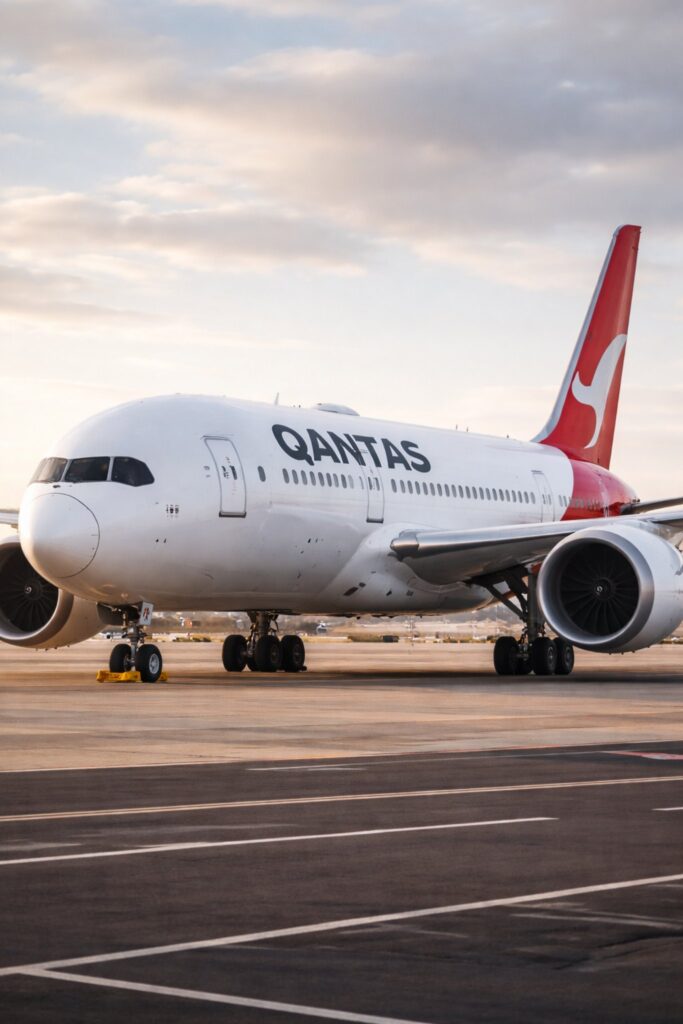

Qantas has brought back its Double Status Credits promotion, giving frequent flyers another chance to accelerate their loyalty status at a time when Australia’s flagship airline is managing weaker demand signals, higher fuel-related costs and selective cuts to its flying schedule.
The offer gives eligible Qantas Frequent Flyer members the choice of earning either double Status Credits or double Qantas Points on qualifying flights. But this is not a broad international promotion. The latest deal is focused on domestic Australia and trans-Tasman routes, making it a targeted push aimed at short-haul demand rather than long-haul leisure travel.
For Qantas, the timing matters. Airlines usually use loyalty incentives when they want travellers to make booking decisions quickly without cutting headline fares too aggressively. That makes this promotion more than a simple perk for frequent flyers. It is also a signal that Qantas is trying to protect revenue while keeping aircraft fuller across selected routes.
Why Qantas Is Using Loyalty Instead of Big Discounts
Unlike a fare sale, Double Status Credits can appeal strongly to higher-value customers who are chasing Silver, Gold, Platinum or Lifetime status. These travellers are often willing to book sooner when they can see a clear benefit beyond the ticket itself, such as lounge access, priority check-in, extra baggage and faster progress toward elite membership.
The structure of the promotion also gives Qantas more control. Members must register before booking, and eligible travel is limited to Qantas-marketed and operated services with a QF flight number. Jetstar flights are not included, which keeps the offer tied to the premium Qantas brand rather than its low-cost arm.
The promotion covers eligible flights within Australia and between Australia and New Zealand, with the travel window running through the winter period. That shorter booking horizon suggests Qantas is looking for a near-term lift in forward bookings rather than simply rewarding travel already planned far into the future.
This is important because Qantas has recently moved to trim capacity on parts of its domestic and New Zealand network. Cutting flights can help support fares and reduce exposure to weaker routes, but it also puts more pressure on the airline to fill the remaining seats efficiently.
That is where loyalty promotions become useful. They allow an airline to create urgency without publicly slashing fares across the board. For customers, the value appears through rewards. For the airline, the benefit comes from faster bookings, better load factors and stronger cash flow.
Rising Costs Are Changing the Airline Playbook
Qantas is facing a tougher cost environment, with fuel and refining expenses putting pressure on margins. Even when airlines hedge a large share of their fuel exposure, they can still be hit by refinery margins and other costs that are harder to protect against. This makes pricing discipline especially important.
The airline sector remains highly sensitive to oil prices, currency movements and consumer confidence. The International Air Transport Association has repeatedly highlighted fuel as one of the biggest cost drivers for global carriers, which explains why airlines are cautious about adding too much capacity when demand becomes uncertain.
For travellers, this can show up in several ways: fewer discounted seats, tighter availability on popular routes and more targeted promotional offers. Instead of blanket price cuts, airlines may choose limited campaigns that reward specific customer behaviour, such as booking within a short window or flying on selected routes.
Qantas’ latest offer fits that pattern. It rewards travellers who are prepared to commit now, but it does not necessarily mean every passenger will find cheaper fares. In fact, frequent flyers often know that fares can move quickly during popular reward campaigns as cheaper fare buckets sell out.
That means the deal is most attractive for travellers who already need to fly and can use the extra Status Credits meaningfully. Someone close to retaining Gold or Platinum status may see strong value. A casual traveller with no realistic chance of moving up a tier may be better served by choosing double points instead.
For readers following broader airline and market trends, Swikblog continues to track how companies are responding to cost pressures, consumer demand shifts and changing investor expectations across major sectors.
Read More
What Frequent Flyers Should Consider
The biggest decision for members is whether to choose double Status Credits or double Qantas Points. Status Credits help members climb or retain loyalty tiers, but they are only useful when they move someone closer to a real status outcome. Points are more flexible because they can be used later for reward seats, upgrades and other redemptions.
For business travellers or loyal Qantas customers, the status option may be the better choice. Domestic business class and longer trans-Tasman routes can generate a meaningful number of Status Credits, especially when doubled. This can make a difference for members trying to lock in lounge access or progress toward Lifetime status.
For leisure travellers, double points may be more practical. If a member is not close to the next tier, extra Status Credits may expire without delivering a material benefit. Points, while subject to availability and redemption rules, can still hold future value.
There is also the question of rebooking existing flights. Some frequent flyers may consider cancelling and rebooking trips under the promotion, but that only makes sense if cancellation rules, fare differences and fees do not wipe out the benefit. A cheaper original ticket may still be better than a new promotional booking at a higher fare.
The promotion also reinforces how valuable loyalty programs have become to major airlines. Qantas Frequent Flyer is not just a customer retention tool; it is a major commercial asset supported by partnerships, credit cards, retail offers and travel redemptions. When demand softens, that ecosystem gives Qantas more ways to influence customer behaviour without relying only on fare reductions.
For investors, the return of Double Status Credits may be read as both a defensive and tactical move. On one hand, it suggests Qantas wants to stimulate demand on selected routes. On the other, it shows the airline is using a high-margin loyalty lever rather than sacrificing pricing power across the network.
The broader message is clear: Qantas is trying to stay disciplined while giving customers a reason to book. With fuel costs elevated, household budgets stretched and competition from Virgin Australia still relevant, the airline needs to balance capacity, pricing and loyalty carefully.
For passengers, the offer may be worthwhile, but only if the route, fare and timing already make sense. For Qantas, it is a calculated push to keep demand moving while managing one of the most challenging cost environments the aviation industry has faced in recent years.

Make Swikblog your go-to source on Google for reliable updates, smart insights, and daily trends.