CREDIT-PEOPLE ENTERTAINMENT
Billy Bob Thornton has spent decades building a reputation as one of Hollywood’s most unfiltered voices, but his latest interview has drawn attention for a more personal reason. The Landman actor opened up about OCD, anxiety, dyslexia and difficult childhood memories, giving fans a rare look at the private struggles behind his long career.
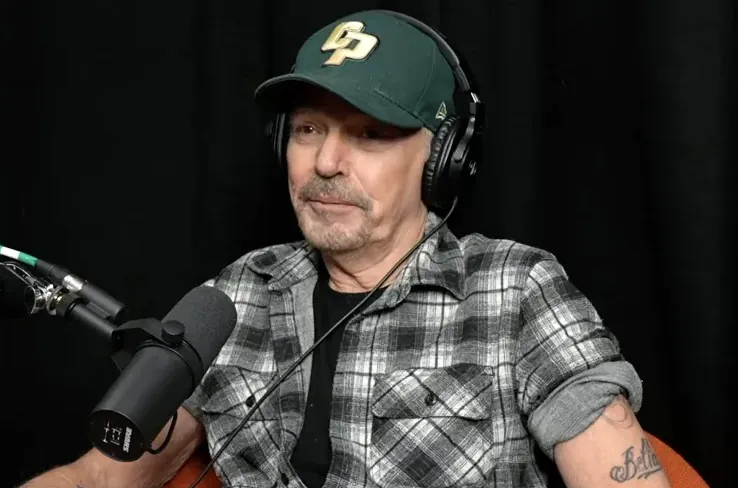
Thornton, 70, spoke during an appearance on the Howie Mandel Does Stuff podcast, where the conversation moved beyond movies and music into mental health, family life and the coping habits he developed as a child.
The actor said he grew up without fully understanding what obsessive-compulsive disorder was. At the time, he believed the repeated thoughts and rituals he experienced were something unique to him.
“I had no idea what it was,” Thornton said. “I thought I invented it.”
His comments quickly gained attention because they were not framed like a typical celebrity confession. Thornton described the experience plainly, connecting his childhood anxiety to a home life that often felt unpredictable.
He recalled waiting for his father to return from work and creating counting rituals in his head before hearing the car arrive. For Thornton, those routines became a way to feel some control in moments when everything else seemed uncertain.
The actor also said his father, who had served in the Korean War, struggled with his own problems. Thornton described his childhood home as difficult and emotionally tense, adding that his father “was not particularly nice” to him.
Why Billy Bob Thornton’s Interview Is Getting So Much Attention
Part of the reaction comes from how openly Thornton connected anxiety, OCD and childhood fear. Rather than giving a polished answer, he described how mental health struggles can start quietly and shape a person long before they have the language to explain them.
Thornton also discussed growing up with dyslexia during a time when schools offered little support for learning differences. He said children who struggled academically were often misunderstood instead of helped.
That detail added another layer to the interview. Thornton was not only talking about adult anxiety or Hollywood pressure. He was describing years of feeling different before mental health and learning challenges were widely discussed in public.
His story also included a striking moment with late musician Warren Zevon. Thornton said the two once lived in the same West Hollywood apartment complex in the late 1980s. One day, Zevon noticed Thornton repeatedly opening and closing his mailbox, a behavior linked to his OCD.
Instead of judging him, Zevon simply asked whether Thornton “had it too.” The exchange led to a friendship built partly around their shared experiences with anxiety and compulsive thoughts.
Thornton said they would talk about their struggles and even compare who had it worse. The memory stood out because it showed how recognition from another person can reduce the shame many people feel around mental health conditions.
Read More
Thornton Says Mental Health Struggles Can Become Strengths
One of the most discussed parts of Thornton’s interview was his view that anxiety, OCD and similar challenges are not always weaknesses. He said they can become strengths, especially for artists who turn intense emotions and unusual patterns of thinking into creative work.
That perspective resonated with fans because Thornton has built a career on complicated characters, raw performances and an outsider image that never fully fit the standard Hollywood mold.
From Sling Blade to Bad Santa and now Landman, Thornton’s screen presence has often carried a mix of toughness, vulnerability and unpredictability. His latest comments give audiences more context for the emotional intensity he has brought to many roles.
The interview also comes at a time when more public figures are speaking about mental health without treating it as a scandal. OCD, anxiety and dyslexia are still widely misunderstood, but conversations like Thornton’s can help make them easier to discuss.
For general information about obsessive-compulsive disorder, symptoms and treatment options, readers can visit the National Institute of Mental Health.
Thornton’s name also gained attention after he discussed his restrictive diet and lifelong food issues. The actor said he avoids wheat, dairy, shellfish, pork and beef, explaining that he grew up with allergies and digestive discomfort.
He also mentioned having AB-negative blood type, which is considered rare, and said he believes it plays a role in some of his digestive problems. As a child, he said he ate what everyone else ate and assumed feeling bad after meals was normal.
The conversation had lighter moments too. Thornton joked about discovering an unusual snack during a Landman event after realizing most of the food available did not work with his diet. He tried grapes dipped in spicy Dijon mustard and liked the combination so much that it became a new favorite.
Those details helped the interview spread beyond mental health discussions, but the deeper reason people are responding appears to be Thornton’s honesty. He spoke about fear, habits, food restrictions, childhood pain and creativity without making the conversation feel rehearsed.
Now starring in Paramount+ drama Landman with Demi Moore, Ali Larter and Sam Elliott, Thornton remains active in both television and music. Yet this latest wave of attention is less about a new project and more about the man behind the roles.
For longtime fans, the interview offered a reminder that Thornton’s career has always been shaped by more than fame. His story shows how private battles can follow someone for decades, even when the outside world only sees success, red carpets and hit performances.

Make Swikblog your go-to source on Google for reliable updates, smart insights, and daily trends.
Get the Swikblog App
Stay updated with breaking news, trending stories and the latest updates—all in one place.

Free download for Android devices