
Mother’s Day is often seen through flowers, greeting cards, family brunches and emotional social media posts. But behind the modern celebration is a far deeper story — one shaped by grief, disease, war, community service and a daughter’s promise to honor her mother.
The woman most closely credited with creating Mother’s Day, Anna Maria Jarvis, never married and never had children of her own. Yet her campaign helped turn a personal tribute into one of the world’s most recognized holidays, now observed in more than 90 countries.
That surprising fact gives Mother’s Day a more powerful meaning. The holiday was not started by a mother seeking recognition for herself. It was built by a daughter who believed her mother’s sacrifices deserved to be remembered.
For readers who follow meaningful explainers around culture, family and global observances, Swikblog’s Mother’s Day 2026 reflection also looks at why many people struggle to say what they truly feel to their mothers.
Mother’s Day Began With Loss, Service And A Daughter’s Devotion
Anna Jarvis organized the first official Mother’s Day observance in 1908, three years after the death of her mother, Ann Reeves Jarvis. The event was held at a Methodist church and was meant to honor the woman whose life had shaped Anna’s values, faith and sense of service.
But the roots of Mother’s Day go back even further than Anna’s campaign. Her mother, Ann Reeves Jarvis, had already imagined a day connected to mothers and community care long before the holiday became official.
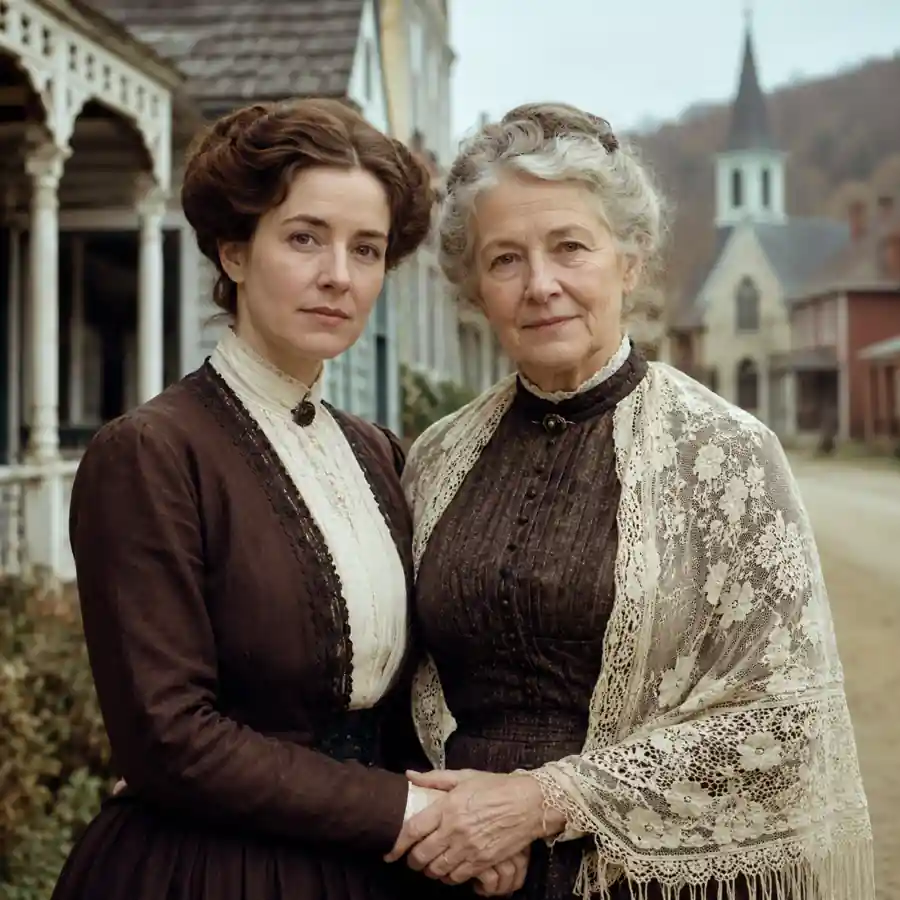
Ann lived in Appalachian Virginia with her husband, Granville Jarvis. The couple had 13 children, but only four survived into adulthood. Many of their children died from illnesses such as measles, typhoid fever and diphtheria — diseases that were devastating in communities with limited medical care and poor sanitation.
Instead of allowing grief to close her off from the world, Ann turned her pain into public service. She helped organize “Mothers’ Day Work Clubs,” groups of women who worked to improve health and cleanliness in their communities.
These clubs raised money for medicine, supported families affected by disease and taught households how to improve sanitary conditions. Their mission was practical and urgent: help mothers protect children and families from preventable illness.
During the Civil War, Ann’s work took on another layer of meaning. Living in a divided region, she insisted that the clubs care for soldiers on both sides of the conflict. After the war, she also organized events aimed at healing communities split apart by violence and loyalty to opposing sides.
That history matters because it shows that Mother’s Day was not originally built around sentiment alone. Its earliest spirit was active, public and service-driven. It honored women not simply with words, but by recognizing the heavy work they carried in homes, churches, towns and hospitals.
After Ann died in 1905, Anna Jarvis began pushing for a formal day to honor mothers. She used the singular form “Mother’s Day” because she wanted each person to honor their own mother personally, not turn the day into a general slogan.
Her campaign grew quickly. Churches, civic leaders and communities embraced the idea, and in 1914 President Woodrow Wilson officially proclaimed Mother’s Day a national holiday in the United States. The story has since become part of wider American holiday history, with more background available through the History Channel’s overview of Mother’s Day.
Read More
Why The Founder Later Fought The Holiday She Created
The most ironic part of the Mother’s Day story is that Anna Jarvis eventually became deeply disappointed by the holiday’s success.
As Mother’s Day grew, businesses quickly saw commercial opportunity. Flowers, cards, candy and gifts became central to the celebration. What Anna had imagined as a personal day of gratitude began to look, in her eyes, like a holiday being sold back to the public.
She objected strongly to the commercialization of Mother’s Day and spent years criticizing companies and groups she believed were profiting from it. For Anna, a handwritten letter or a sincere act of love meant more than an expensive gift bought out of obligation.
That tension still feels relevant today. Many families enjoy the celebration, but Mother’s Day can also carry emotional weight. For women facing infertility, mothers grieving a child, people who have lost their own mothers, and those with painful family relationships, the day is not always simple.
That is why the original history of Mother’s Day can help make the holiday more meaningful. It reminds us that motherhood is not only about biology. Many people are shaped by women who never gave birth to them but still offered guidance, protection, correction, encouragement and love.
Teachers, grandmothers, aunts, foster mothers, neighbors, church leaders, mentors and family friends often play mothering roles in quiet but life-changing ways. Anna Jarvis herself never became a mother, yet she understood how deeply one woman’s care could shape another person’s life.
Seen through that lens, Mother’s Day becomes more than a celebration of one role. It becomes a chance to recognize sacrifice wherever it appears — in the mother raising children alone, the grandmother caring for grandchildren, the woman grieving silently, the foster parent living with uncertainty, or the mentor who shows up when someone needs support most.
The real story behind Mother’s Day is not only that its founder never had children. It is that the holiday began with a broader vision of care. Ann Reeves Jarvis served families, soldiers, sick children and divided communities. Anna Jarvis carried that legacy forward by asking the nation to remember mothers with sincerity.
More than a century later, the question is not whether Mother’s Day should be celebrated, but how it should be celebrated. A better observance may mean fewer empty gestures and more real attention — a phone call, a visit, a meal, childcare help, a handwritten note or simply noticing someone whose load has become heavy.
The woman who created Mother’s Day never became a mother herself. But through her devotion to her own mother, Anna Jarvis helped create a holiday that still asks people to pause, remember and thank the women whose love and labor often hold families and communities together.

Make Swikblog your go-to source on Google for reliable updates, smart insights, and daily trends.