
Visitors heading into Queensland’s national parks are being urged to plan their toilet stops as carefully as their walking routes, with authorities warning that improper bush toileting can now lead to fines of up to $500 in some protected areas.
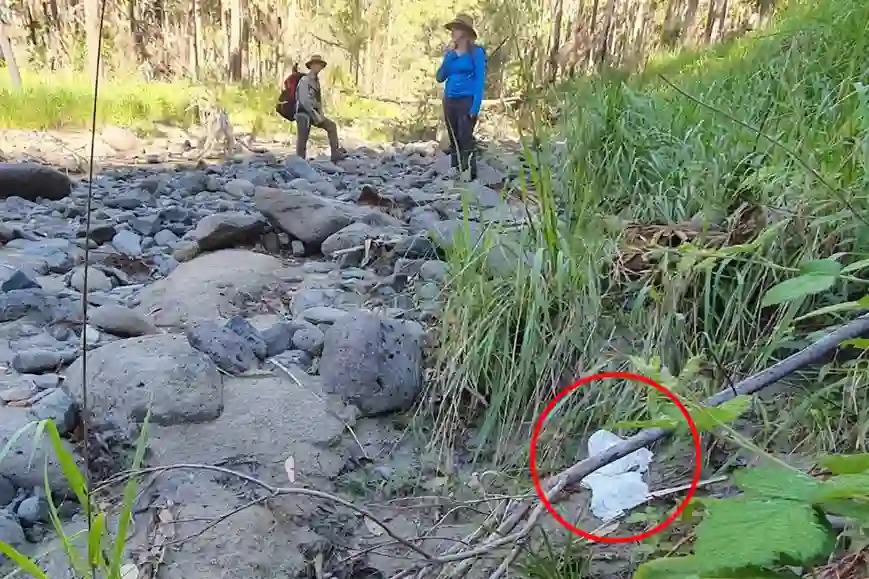
The warning follows growing concern over human waste and toilet paper being found in national parks, coastal campsites and remote walking areas. Rangers say the issue is becoming more visible during routine patrols, forcing staff to clean up waste that should never have been left behind in the first place.
For campers and hikers, the message is straightforward: if there is no toilet nearby, that does not mean the bush becomes one. In several popular Queensland locations, visitors are expected to carry the right gear, dispose of waste correctly and stay well away from waterways, campsites and walking tracks.
The issue has been raised by Queensland’s Department of Environment, Science, Tourism and Innovation, which warned that bush toileting is becoming a more common problem across the state’s parks. The department said Queensland Parks and Wildlife Service rangers are increasingly dealing with what visitors leave behind, including toilet paper scattered through bushland.
“It stinks when folks are leaving their ‘surprises’ in our national parks,” the department said in its warning.
Where the $500 fine warning applies
In some wilderness and remote recreation areas, visitors are required to bring and use portable toilets. These include high-traffic outdoor destinations such as the Cooloola Coast, Bribie Island, K’gari and Inskip Peninsula, along with other remote or boat-access-only locations where permanent toilet facilities are limited or unavailable.
Failing to use a portable toilet in areas where one is required can attract a fine of about $500. Queensland Parks information for K’gari also states that portable toilets are required at specific camping areas and recommended for other areas where no toilet facilities are provided, particularly to protect campsite hygiene and reduce environmental damage. Visitors can check official advice through Queensland Parks’ K’gari visitor information.
The penalties do not stop there. In national parks where portable toilets are not compulsory, visitors can still face a $333 fine if they fail to bury human waste properly. Another $333 fine can apply if waste is buried or left within 10 metres of lakes, rivers, creeks, walking tracks, campsites or visitor facilities.
That rule applies even if the waste has been buried. Authorities are making it clear that distance from water and public-use areas matters just as much as whether waste is covered.
Rangers may use discretion in some cases, particularly if visitors have made a genuine effort to follow the rules by carrying or using portable toilets. But the broader warning is that poor preparation is no longer a small mistake when it affects public land, wildlife and other visitors.
Why bush toileting is more harmful than many visitors realise
Human waste in national parks is not just unpleasant for the next person walking past. It can create a chain of environmental and health risks, especially in places that receive heavy visitor traffic or have sensitive waterways nearby.
Faeces can introduce bacteria, parasites and viruses into areas where they do not naturally belong. Wildlife may come into contact with those pathogens, while rain can wash contamination into creeks, lakes and wetlands.
Waste also adds nutrients such as nitrogen and phosphorus to soil and water systems. In small creeks or coastal environments, that can contribute to algal growth and declining water quality. The impact may seem minor when one person does it, but repeated waste left behind by campers and hikers can build up quickly in popular areas.
There is also a wildlife behaviour issue. Animals can be attracted to waste, scented wipes, nappies or hygiene products. On K’gari, authorities are particularly concerned about anything that may draw dingoes closer to people or campsites.
Toilet paper creates another problem. When left above ground, it can blow through bushland, become a hygiene risk and, in dry conditions, add to fire concerns. Even when buried shallowly, toilet paper can be exposed again by wind, rain or animals.
The same problem has been reported beyond Queensland. Used toilet paper has recently been seen in Tasmania’s Walls of Jerusalem National Park, showing that poor waste habits are not confined to one state or one group of travellers.
Read More
What visitors should carry before a hike or camping trip
Authorities are asking people to treat toilet planning as part of basic trip preparation. For remote camping, beach driving or long-distance walks, visitors should check the rules before leaving home and assume that facilities may be limited.
Where portable toilets are mandatory, visitors should bring a proper camping toilet or approved waste system that can be emptied at a suitable dump point. For areas where bush toileting is allowed only as a last resort, people should carry a small shovel or trowel, sealable bags and enough hygiene supplies to pack out toilet paper and personal products.
Queensland authorities advise that human waste should be buried at least 15 centimetres deep. In sandy areas, waste may need to be buried much deeper, up to around 50 centimetres, because sand shifts easily and can expose waste faster than firm soil.
Visitors should avoid toileting near creeks, rivers, lakes, campsites, walking tracks and visitor facilities. Waste should never be left on the surface, and toilet paper, wipes, nappies and sanitary items should be bagged and placed in a rubbish bin after the trip.
Queensland Parks also promotes “Leave No Trace” principles for people visiting parks and forests, including taking rubbish home, protecting waterways and reducing impacts on natural areas. More guidance is available through the official Queensland Parks Leave No Trace advice.
The latest warning comes as authorities continue to focus on behaviour that damages national parks and public recreation areas. Swikblog previously reported on Queensland’s illegal camping fines and summer enforcement crackdown, with rangers targeting activities that put visitors, wildlife and protected land at risk.
For travellers, the practical lesson is simple. Before entering a national park, know where the toilets are, know whether portable toilets are required and carry the equipment needed to remove or bury waste properly.
A national park may feel wild, but it is still a shared public space. Leaving human waste behind means rangers, wildlife and other visitors pay the price. With fines now part of the warning, poor toilet planning could also become an expensive mistake.

Make Swikblog your go-to source on Google for reliable updates, smart insights, and daily trends.