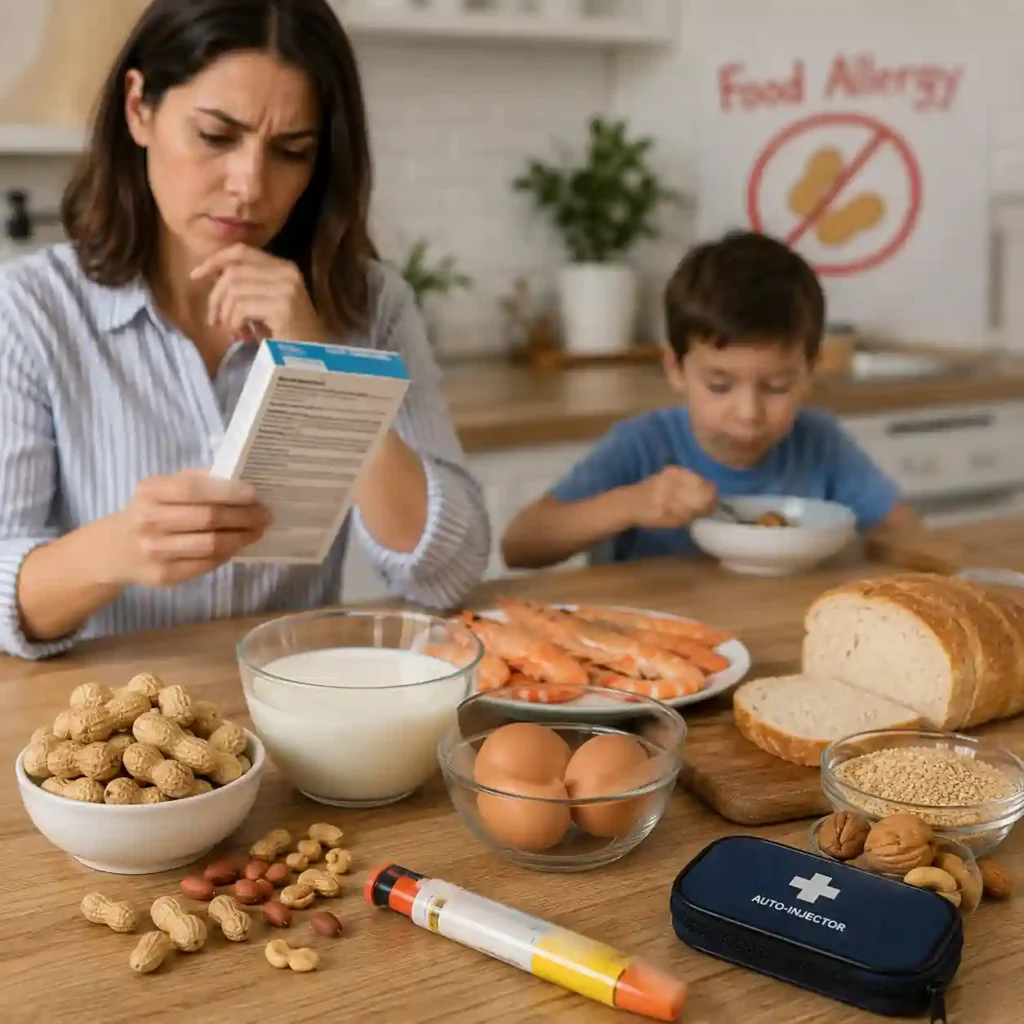

Food Allergy Awareness Week 2026 is being observed from May 10 to May 16, bringing fresh attention to a health issue that affects millions of families every day. The week is not only about sharing allergy facts. It is about helping parents, schools, restaurants, workplaces, and communities understand how quickly a food allergy reaction can become serious and why better awareness can save lives.
This year’s awareness efforts come at a time when food allergies are being discussed more widely in healthcare, education, and public safety spaces. Advocacy groups are highlighting the need for early diagnosis, safer food environments, clearer labeling, and stronger emergency response planning for people at risk of anaphylaxis.
Food allergies can affect both children and adults. For some people, a small amount of the wrong ingredient may cause itching, swelling, stomach pain, vomiting, breathing problems, or a severe reaction requiring urgent medical care. That is why Food Allergy Awareness Week 2026 is focusing on practical education, not fear.
Food Allergy Awareness Week 2026 Theme Puts Safety First
The core message of Food Allergy Awareness Week 2026 is simple: awareness must lead to action. Families are being encouraged to understand symptoms, read labels carefully, carry emergency medicine when prescribed, and speak openly with schools, caregivers, restaurants, and friends about allergy risks.
In the United States, major food allergens include milk, eggs, peanuts, tree nuts, fish, shellfish, wheat, soy, and sesame. These foods are responsible for most serious food allergy reactions, although some people may also react to seeds, fruits, spices, or other ingredients.
One major concern is that reactions often happen when a person eats something they believed was safe. Cross-contact in kitchens, unclear packaging, missing ingredient details, and lack of awareness in public places can all increase risk.
Food Allergy Research & Education is sharing awareness resources, school materials, and community guidance during the campaign. Readers can find official information and tools at FoodAllergy.org.
The week also highlights the importance of recognizing anaphylaxis. This severe allergic reaction can develop quickly and may involve trouble breathing, throat tightness, dizziness, fainting, widespread hives, or swelling. Medical experts continue to stress that epinephrine should be used quickly when prescribed and emergency help should be contacted without delay.
Read More
- Visit Swikblog Homepage
- M5 Crash: Somerset Taunton Motorway Closed, Person Airlifted to Hospital
- Bush Toileting Fines in Australia National Parks
- Woolworths Worker’s Unfair Dismissal Claim: Fair Work Says He Was Never Fired
- KeyBank Increases Meta Platforms Holdings as AI Spending Stays in Focus
- PS Store Has No Active Sale Until May 13 Return
Schools are a major focus in 2026. Children with food allergies often depend on adults around them to understand what to do in an emergency. Awareness activities such as Teal Day, allergy-safe classroom discussions, posters, label-reading games, and staff training can help create safer environments.
For parents, the week is also a reminder to review allergy action plans, update school records, check medication expiry dates, and talk with children about how to speak up if they feel unwell after eating.
Why Awareness Matters Beyond One Week
Food allergies do not end when awareness week is over. Families managing allergies often deal with daily planning that many people never see. A birthday party, school lunch, restaurant meal, flight, festival, or workplace snack table can require extra questions and careful preparation.
The emotional side is just as important. Children and teenagers with severe allergies may feel left out when food is part of social events. Adults may face awkward conversations at work, while parents may carry constant anxiety about accidental exposure.
That is why personal stories are powerful during awareness campaigns. Stories from people living with multiple allergies show how allergies can affect school life, friendships, travel, mental health, and independence. These experiences help the public understand that food allergies are not food preferences or lifestyle choices. They are medical conditions that need respect and planning.
Food Allergy Awareness Week 2026 also connects with wider allergy campaigns taking place throughout the year. Allergy Awareness Week in the UK, World Allergy Awareness Week, and Food Allergy Awareness Month all point to the same issue: allergic diseases are becoming a bigger public health conversation worldwide.
Another important part of this year’s campaign is early diagnosis. Many people avoid foods because they suspect an allergy, while others ignore symptoms that should be checked by a medical professional. Proper testing and medical guidance can help people understand their real risks and avoid unnecessary restrictions.
Communities can support food allergy awareness in simple ways. Schools can train staff, workplaces can label shared food, restaurants can improve allergen communication, and families can learn how to respond during an emergency. Even small steps can make everyday spaces safer.
Awareness groups are also encouraging people to report unclear food labeling and support better allergy policies. Safer packaging, better restaurant communication, and stronger emergency planning can reduce preventable reactions.
Food Allergy Awareness Week 2026 is a reminder that awareness should turn into everyday responsibility. When more people understand food allergies, families feel less isolated, schools become safer, and communities are better prepared to respond when every second matters.

Make Swikblog your go-to source on Google for reliable updates, smart insights, and daily trends.