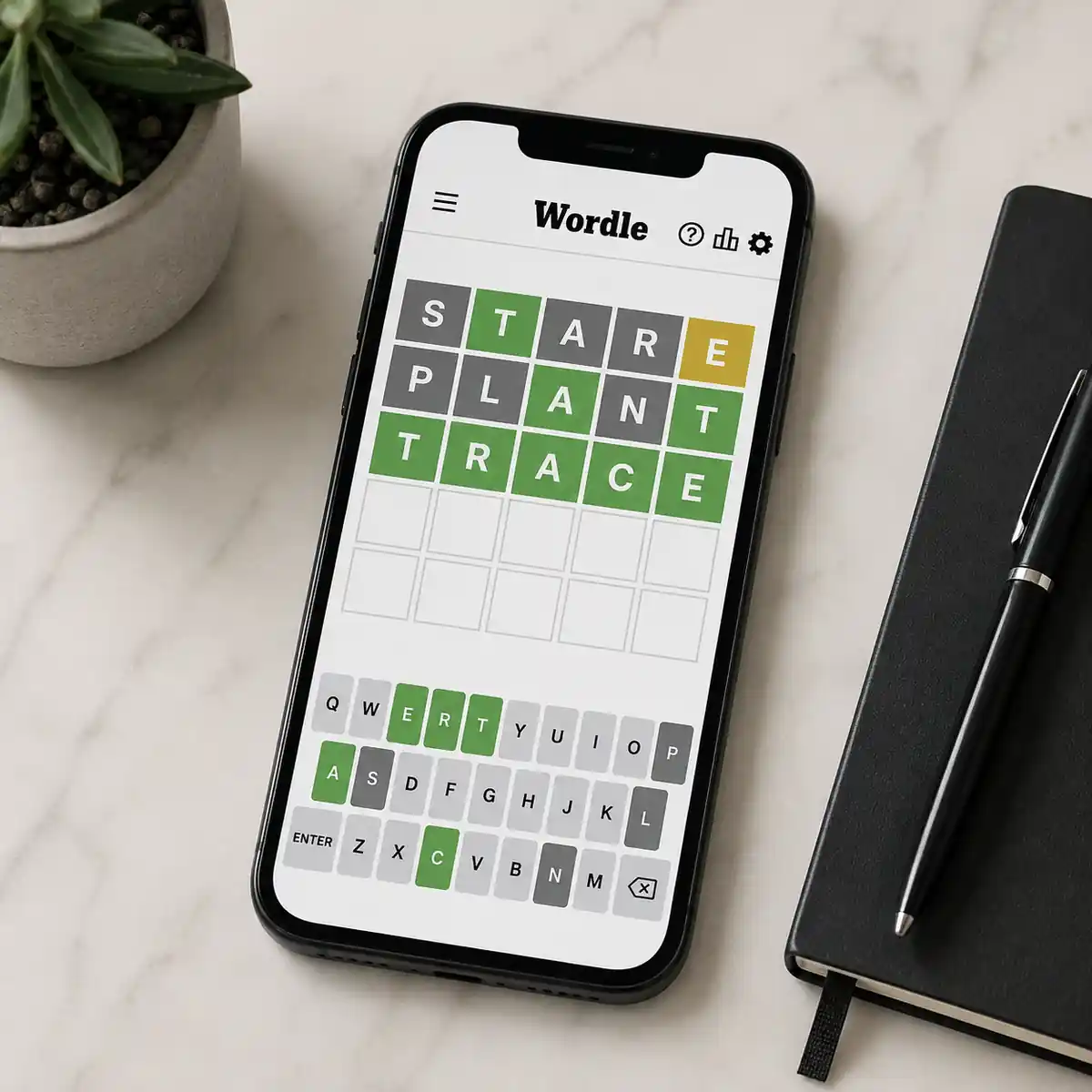
Today’s Wordle #1788 for May 12 initially looks much easier than several recent puzzles built around scientific terminology, obscure vocabulary, or difficult consonant combinations. The answer is an extremely common everyday word that most players recognize instantly once revealed, yet the puzzle quietly transforms into a dangerous late-game trap because of its repeated-letter structure and deceptively simple design.
Today’s Wordle Hints
• Today’s Wordle answer contains one repeated letter
• The answer contains only one traditional vowel
• The repeated letter appears twice within the word structure
• The word is associated with timekeeping, alarms, schedules, classrooms, offices, digital devices, and wall-mounted household objects
Practice Wordle
Try solving this bonus practice puzzle inspired by today’s “timekeeping” and “daily routine” Wordle theme.
Today’s Wordle Answer for May 12, #1788 is: CLOCK
The word “clock” refers to a device used for measuring and displaying time. It is one of the most universally recognized objects found in homes, offices, schools, train stations, phones, computers, and public spaces worldwide.
Today’s puzzle initially felt approachable because the answer itself is extremely familiar and commonly used in everyday English conversation. However, the repeated “C” quietly created one of Wordle’s classic late-game traps.
Many players likely identified the “OCK” ending fairly early, but the duplicate consonant structure made the opening half significantly more difficult than expected. Wordle strategies often prioritize uncovering fresh letters, which naturally discourages players from testing repeated consonants during early guesses.
The puzzle also punished players who aggressively searched for additional vowels after discovering a few correct positions. Since the word contains only one traditional vowel, many logical-looking guesses could never actually fit the solution.
Another reason the puzzle became deceptively dangerous is the flexibility of the “OCK” pattern itself. Several familiar English words share similar endings, forcing players into careful elimination strategy rather than simple vocabulary recognition.
Unlike recent difficult Wordles built around unusual or obscure terminology, today’s challenge relied almost entirely on structure, repetition awareness, and disciplined guess management rather than rare-word knowledge.
Today’s Wordle rewarded calm deduction, efficient elimination strategy, awareness of duplicate-letter possibilities, and careful handling of familiar word-family endings.
You can continue your streak on the official New York Times Wordle page.

Make Swikblog your go-to source on Google for reliable updates, smart insights, and daily trends.