
The International Day for Biological Diversity 2026 will be observed worldwide on 22 May 2026 with the official theme “Acting Locally for Global Impact.” The campaign highlights how local conservation efforts, community participation, and individual environmental actions can collectively help halt and reverse biodiversity loss across the planet.
Organized under the Convention on Biological Diversity (CBD), the annual observance raises awareness about the importance of biodiversity and the urgent need to protect ecosystems that support life on Earth. In 2026, the message is especially significant as climate change, pollution, habitat destruction, and unsustainable human activities continue to threaten wildlife and natural ecosystems globally.
International Day for Biological Diversity 2026 Theme Explained
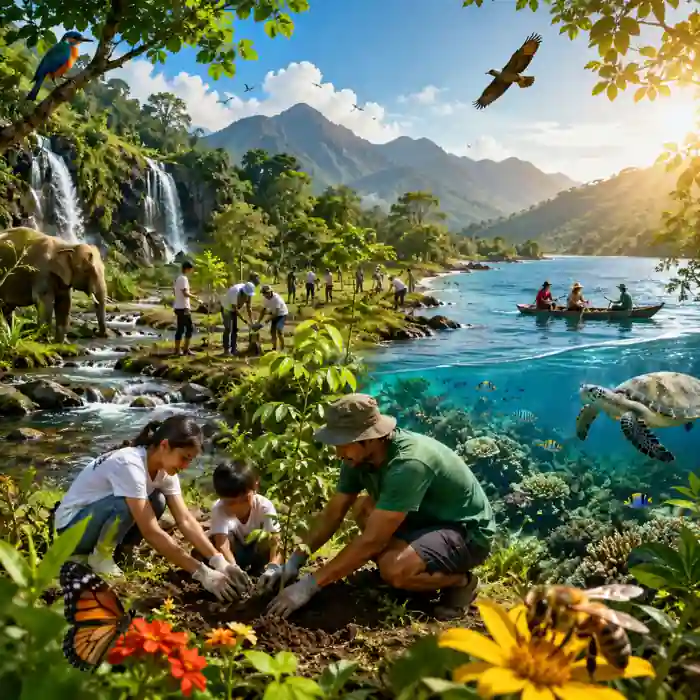
The official theme for 2026, “Acting Locally for Global Impact,” focuses on the idea that meaningful global environmental change begins at the local level. Communities, schools, organizations, and individuals are encouraged to take practical steps to conserve biodiversity within their own surroundings.
The campaign promotes actions such as planting native trees, protecting pollinators, restoring habitats, reducing plastic pollution, conserving water resources, supporting sustainable agriculture, and participating in local biodiversity projects. According to the CBD, these local efforts can create ripple effects that contribute to larger international biodiversity goals.
The campaign is also connected to the Kunming-Montreal Global Biodiversity Framework (KMGBF), which includes 23 global targets aimed at halting biodiversity loss, restoring degraded ecosystems, protecting endangered species, and promoting sustainable use of natural resources.
The 2026 biodiversity campaign is built around three major pillars:
- Look and Learn – encouraging people to explore local biodiversity and understand ecosystems near them.
- Connect and Act – motivating communities to join environmental activities, citizen science projects, and conservation programs.
- Share – inspiring people to share biodiversity stories, educational content, photos, and conservation efforts through communities and social media.
Read More
Why Biodiversity Matters More Than Ever
Biodiversity is the foundation of human survival. Healthy ecosystems provide clean air, food, water, medicine, climate regulation, and economic stability. Agriculture depends on pollinators like bees and butterflies, while forests and oceans help absorb carbon dioxide and regulate global temperatures.
However, biodiversity loss has accelerated rapidly over recent decades. According to international environmental reports, around 75% of terrestrial ecosystems and nearly 66% of marine environments have already been significantly altered by human activity. Scientists also warn that nearly 1 million species are currently at risk of extinction.
Major threats include:
- Deforestation and habitat destruction
- Climate change and rising temperatures
- Plastic and industrial pollution
- Overfishing and overexploitation of natural resources
- Urban expansion and land degradation
- Invasive species affecting native ecosystems
The growing environmental crisis has also increased global awareness through campaigns related to wildlife and conservation, including World Wildlife Day 2025, which highlighted the urgent need for investment in biodiversity protection and ecosystem restoration.
How People Can Participate on 22 May 2026
The International Day for Biological Diversity 2026 encourages participation through community events, schools, online platforms, and local environmental activities. People around the world can organize tree plantation drives, clean-up campaigns, biodiversity workshops, photography competitions, wildlife awareness programs, and nature walks.
Schools and colleges can hold educational sessions on native plants, endangered species, ecosystem conservation, and climate resilience. Communities can support pollinator-friendly gardens, wetland restoration projects, and plastic-free campaigns.
Digital participation also remains an important part of the campaign. People are encouraged to share biodiversity-related stories, videos, photos, and local conservation activities using hashtags such as #BiodiversityDay and #BiodiversityDay2026.
Organizations including UNESCO are also contributing through biosphere reserves, marine conservation programs, Indigenous knowledge systems, and World Heritage biodiversity initiatives. These global efforts demonstrate how local environmental action can support international biodiversity conservation goals.
The International Day for Biological Diversity 22 May 2026 serves as a powerful reminder that protecting biodiversity is not only about saving wildlife. It is about protecting food systems, clean water, climate stability, public health, and the future of life on Earth itself.

Make Swikblog your go-to source on Google for reliable updates, smart insights, and daily trends.