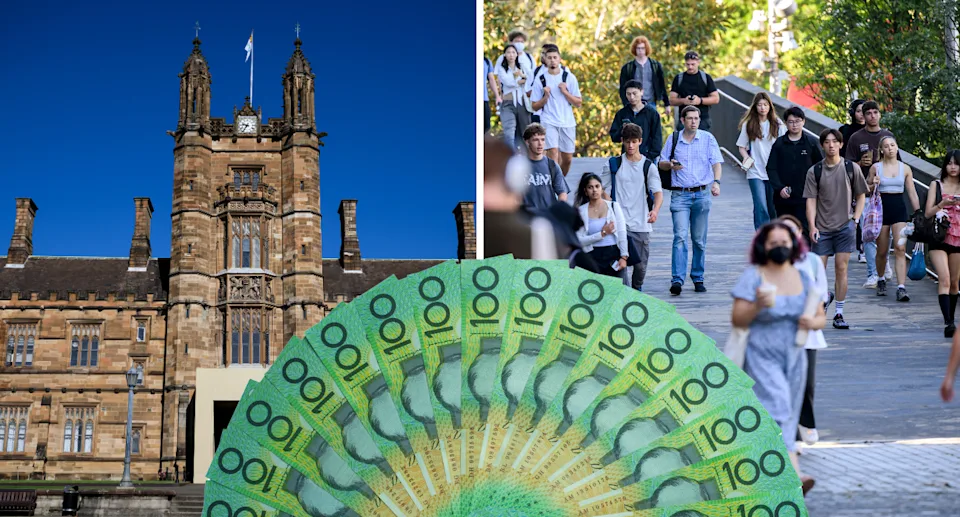

Australia’s HECS debt debate has returned to the spotlight after student loan balances were lifted by 2.8%, affecting about 3 million borrowers and adding roughly $1 billion to outstanding education debt.
The annual indexation, applied on June 1, means graduates and former students will see their loan balances rise even if they have been making compulsory repayments through their wages during the year. For someone carrying the average student debt of about $27,600, the latest adjustment adds approximately $772.80.
The increase is smaller than the sharp jumps seen during the recent inflation surge, but it has still triggered fresh pressure for reform because of how repayments are processed. Workers who earn above the repayment threshold have money withheld from their pay throughout the financial year, yet those payments are not usually credited to their HECS balance until their tax return is completed.
Why graduates say the timing is unfair
That timing gap is now at the centre of the dispute. Critics argue borrowers can be indexed on a balance that does not fully reflect repayments already taken from their wages. In practical terms, a graduate may have been paying down their student loan for months, only to see indexation applied before those repayments reduce the official balance.
Independent MP Monique Ryan is pushing for the annual indexation date to be shifted from June 1 to November 1, after tax returns are processed. The proposal would not remove indexation from student loans, but it would change when the increase is applied.
Analysis from the Parliamentary Budget Office suggests the move could save borrowers about $3.192 billion in indexation over 10 years. Estimated savings would begin at around $58 million in 2026-27 and rise to about $150 million in 2035-36 alone.
The reform would also come with a fiscal cost. The budget’s underlying cash balance would be reduced by about $1.2 billion over four years, making the proposal a political test between borrower relief and government revenue.
What changed recently in the HECS system
The latest debate follows several major student loan changes already introduced by the federal government. In December 2024, the HECS indexation formula was changed so debts rise by the lower of inflation or the wage price index. That shift was designed to prevent another large spike like those seen when inflation was running hotter.
The government also applied a 20% reduction to eligible student loan balances held on June 1, 2025, before indexation was added. For the 2025-26 financial year, the minimum repayment threshold was lifted to $67,000, meaning borrowers earning below that level do not need to make compulsory repayments.
A marginal repayment system has also replaced the older structure. Borrowers now repay a percentage only on income above the minimum threshold, instead of having the repayment rate apply to their full income once they pass the threshold.
Official information on study and training loans, repayment thresholds and indexation rules is available from the Australian Taxation Office.
The issue matters because HECS is not a traditional loan with monthly bills, but it still affects household budgets, borrowing power and long-term financial planning. For younger Australians already managing higher rents, mortgage pressure and living costs, even a smaller annual rise can feel significant when wages are stretched.
Read More
The political argument now is not whether graduates should repay their student loans, but whether the system should index balances before annual repayments are properly reflected. If the government accepts the proposed November 1 indexation date, millions of borrowers could see future debt increases reduced without changing the income-contingent nature of HECS.
For more coverage on Australian education policy, read Swikblog’s report on Australia’s international student provider registration freeze.

Make Swikblog your go-to source on Google for reliable updates, smart insights, and daily trends.