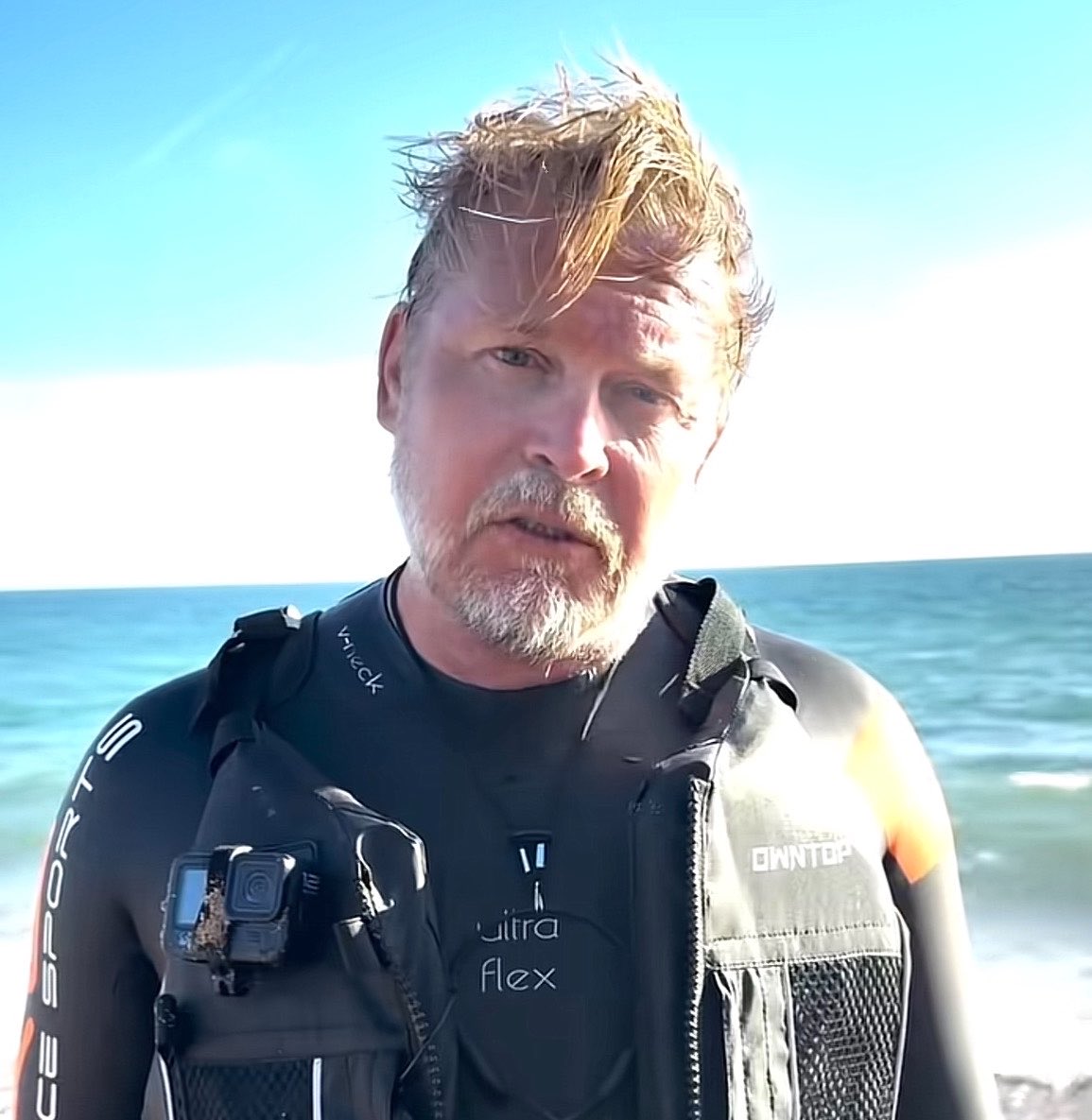

Fresh disclosures about former KiwiRail director Scott O’Donnell have reignited debate over governance standards at New Zealand’s state-owned enterprises, with newly released records revealing he received NZ$44,630 during a board tenure marked by extensive conflict-of-interest restrictions and repeated absences from key discussions.
The figures emerged following an Official Information Act request and have shifted attention away from the size of the payment itself toward a broader question: how effective can a director be when significant parts of a board’s work are off-limits because of commercial interests?
O’Donnell was appointed to the KiwiRail board by Rail Minister Winston Peters in September 2025 for a three-year term. However, his appointment lasted just 6 months and 23 days before he stepped down to pursue a business opportunity in Australia. During that period, KiwiRail held six board meetings covering 93 agenda items.
Records show O’Donnell was excluded from 15 agenda items because of declared conflicts of interest. He also missed another 19 agenda items for unrelated reasons, including occasions when he left meetings early due to travel commitments. Overall, he was absent or excluded from 34 of the 93 agenda items considered by the board.
Perhaps more significantly, O’Donnell did not attend any of the six meetings in their entirety. While conflicts of interest are common across both public and private sector boards, governance specialists say the KiwiRail case stands out because of the scale of the management required to accommodate them.
Why KiwiRail’s Conflict Management Plan Has Drawn Scrutiny
Questions surrounding O’Donnell’s business interests surfaced before his appointment was finalized. KiwiRail chair Suzanne Tindal reviewed his commercial connections after several companies were identified as potential conflict risks. What began as a review of a handful of companies eventually expanded into a formal conflict-management framework covering 10 companies linked to O’Donnell.
The plan required KiwiRail to implement multiple safeguards. O’Donnell’s access to sensitive information was restricted in certain circumstances, board papers were reviewed before distribution, and he was required to leave discussions involving companies where conflicts had been identified.
Such measures are designed to protect the integrity of board decisions and align with governance principles outlined by the Institute of Directors. However, governance experts argue that when a director is repeatedly excluded from strategic discussions, boards must consider whether the arrangement remains practical.
The issue became more prominent when Tindal told MPs during Parliament’s scrutiny process that the conflicts were affecting the capability and efficiency of the KiwiRail board. Critics contend that repeatedly asking a director to leave and rejoin meetings can disrupt discussions, slow decision-making and reduce the contribution expected from a board member.
Peters has defended both the appointment and the conflict-management process, arguing that conflicts are routinely managed in boardrooms across New Zealand. The minister has maintained that O’Donnell followed all required procedures and has criticized suggestions that the appointment was inappropriate.
Political attention has also focused on the fact that O’Donnell is one of four directors of Dynes Transport Tapanui, a company that donated NZ$20,000 to New Zealand First in July 2024. Peters has consistently rejected any suggestion that the donation influenced the appointment.
The governance debate comes at a time when KiwiRail is already facing heightened public attention over network performance and operational reliability. Public scrutiny intensified following the nationwide system failure that triggered major Auckland rail disruptions, placing leadership and oversight decisions under closer examination.
Read More
Since leaving KiwiRail, O’Donnell has joined Melbourne-based Walkinshaw TWG Racing as a director. He also remains listed as a director of 25 companies, including businesses associated with the HW Richardson Group. According to the 2025 NBR Rich List, the Richardson and O’Donnell families have an estimated combined wealth of NZ$600 million.
For KiwiRail, the controversy is no longer simply about a director’s fee. Instead, it has evolved into a wider discussion about public accountability, board effectiveness and whether extensive conflict-management arrangements can undermine the very purpose of appointing experienced business leaders to public-sector boards. As scrutiny continues, the O’Donnell appointment is likely to be remembered as a significant test of governance standards in New Zealand’s transport sector.

Make Swikblog your go-to source on Google for reliable updates, smart insights, and daily trends.