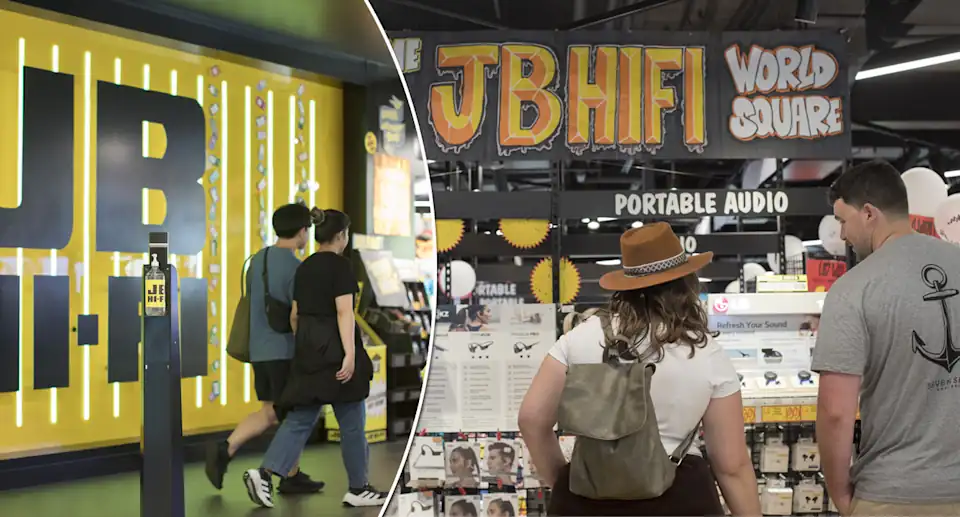

JB Hi-Fi is refunding approximately $250,000 to customers after Australia’s consumer watchdog found that some of the retailer’s advertised discounts did not accurately reflect previous selling prices. The move affects more than 200 customers and highlights the growing regulatory focus on how retailers promote sales and special offers.
The Australian Competition and Consumer Commission (ACCC) said its investigation into JB Hi-Fi’s online pricing practices uncovered instances where products were promoted using higher “was” prices that could have given shoppers a misleading impression about the value of the discount being offered.
Discount pricing is one of the most powerful tools in retail. Consumers often make purchasing decisions based on the size of an advertised saving, particularly when buying higher-priced technology products. When a retailer displays a previous price alongside a sale price, shoppers naturally assume the reduction represents a genuine opportunity to save money.
According to the ACCC, that was not always the case for some JB Hi-Fi promotions. The regulator found that 17 products were advertised as being discounted from a higher previous price even though those products were either never sold at the higher price, were sold at that price only briefly, or had not been sold at the higher price for a sufficient period before the promotion began.
The affected products included popular technology items such as the Meta Quest 3S 256GB headset, HP OmniBook 5 Flip laptop, Lenovo Yoga S7 OLED laptop and LG UltraGear OLED gaming monitor. A range of accessories were also involved, including Otterbox phone cases, EFM smartphone protection products, Cygnett charging accessories and a Dimplex ceramic heater.
The conduct occurred across multiple periods during 2025, with some promotions running for only a few days while others remained active for several weeks. The ACCC’s review focused on online pricing activity between March and September 2025.
For consumers, the significance of the case extends beyond the products involved. Retail discounts have become increasingly important as households continue to manage cost-of-living pressures. Many shoppers actively wait for sales events before making technology purchases, meaning the accuracy of advertised discounts can have a direct impact on spending decisions.
ACCC Commissioner Luke Woodward said businesses must ensure pricing information is accurate and that discount claims are genuine. The regulator argued that misleading pricing can deprive consumers of the ability to make informed purchasing decisions because customers may have chosen not to buy a product if they had known the advertised discount was not real.
The JB Hi-Fi investigation forms part of a broader effort by regulators to improve transparency across Australia’s retail sector. Similar concerns have emerged in other industries, particularly around discount advertising and promotional pricing. Earlier regulatory action involving supermarkets demonstrated that authorities are paying closer attention to how retailers communicate savings to customers. Recent scrutiny intensified after Coles was found to have misled shoppers through parts of its “Down Down” discount campaign, a decision that reinforced the importance of transparent and verifiable pricing claims.
Unlike some recent retail pricing disputes, the ACCC indicated that JB Hi-Fi’s conduct was largely linked to system-related issues and human errors rather than a widespread strategy designed to mislead customers. The regulator also noted that the retailer had proactively addressed some of the pricing issues before the formal investigation concluded.
As a result, the ACCC said it would not pursue further enforcement action beyond ensuring affected consumers receive refunds. JB Hi-Fi has already processed some repayments automatically and is contacting other eligible customers directly. Consumers do not need to submit a claim or contact the company to receive compensation.
The timing of the refund program comes as JB Hi-Fi faces a challenging operating environment. In a recent market update, the company reported modest sales growth across its Australian business while highlighting rising supplier costs, ongoing stock shortages in some technology categories and increased competition across the consumer electronics market.
Group CEO Nick Wells said the company remains focused on delivering value for customers while navigating supply chain challenges and maintaining strong relationships with suppliers. Those comments reflect the broader pressures facing electronics retailers as they balance costs, inventory availability and consumer demand.
For retailers, the case serves as a reminder that promotional pricing requires robust systems and careful oversight. Even where misleading prices result from operational mistakes rather than intentional conduct, businesses can still face regulatory scrutiny, refund obligations and reputational damage.
Read More
For shoppers, the outcome reinforces the importance of looking beyond headline discounts and comparing prices across multiple retailers before making a purchase. While genuine bargains remain available, regulators continue to stress that businesses must accurately represent the value of any advertised saving.
Businesses seeking guidance on pricing promotions and advertising claims can review the ACCC’s official information on false or misleading representations, which outlines how retailers are expected to communicate discounts and pricing information to consumers.

Make Swikblog your go-to source on Google for reliable updates, smart insights, and daily trends.