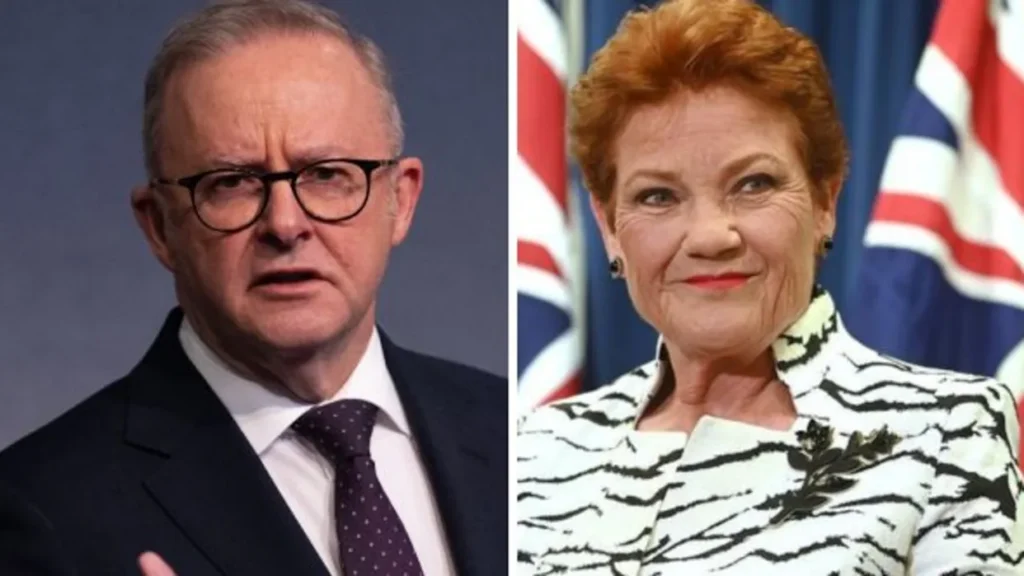

Prime Minister Anthony Albanese’s annual salary of $607,000 will remain unchanged after Australia’s independent Remuneration Tribunal decided against awarding a pay rise to federal MPs and senior Commonwealth office holders from July 1.
The ruling affects a broad range of public officials, including members of parliament, department secretaries, agency heads, and other senior positions whose remuneration falls under the tribunal’s oversight. While annual salary adjustments are commonly announced at the beginning of a new financial year, the tribunal has opted to hold pay steady as it undertakes wider reviews of senior Commonwealth offices.
The decision places a temporary halt on the pattern of annual increases that public office holders have received in recent years. Remuneration rose by 2.4% in 2025 after a larger 3.4% increase in 2024, but no equivalent adjustment will take effect this July.
In explaining its position, the Remuneration Tribunal said it considered Australia’s economic environment, the national minimum wage, and projected remuneration movements across both the public and private sectors.
“In these circumstances, the tribunal has decided not to make any change to remuneration across all offices within its jurisdiction at this time,” the tribunal said in its statement.
The tribunal also noted that several reviews involving senior Commonwealth offices are currently underway. According to the body, delaying any adjustment now will help ensure future remuneration decisions are informed by those findings and applied through a more consistent framework.
For Albanese, the outcome means his annual salary remains at approximately $607,000. Opposition Leader Angus Taylor will also see no change to his remuneration package, which stands at $442,649. According to a 2025 tribunal determination, that figure is made up of the standard parliamentary base salary of $239,270 plus an 85% leadership loading.
Although the tribunal operates independently from government, decisions relating to politicians’ pay often attract public scrutiny, particularly when households are continuing to manage cost-of-living pressures. Housing expenses, energy bills, insurance premiums and everyday household costs remain key concerns for many Australians, making remuneration decisions involving elected representatives closely watched.
The salary freeze arrives as broader economic policy continues to dominate political debate. Much of that discussion has centred on measures outlined in the Federal Budget 2026 winners and losers analysis, where cost-of-living relief, taxation changes and public spending priorities became major talking points for households and businesses.
For taxpayers, the decision may be seen as a symbolic pause rather than a major fiscal saving. The number of affected officials is limited compared with the wider public service, but the political signal is significant because pay decisions for senior leaders are often judged against the financial pressure facing ordinary workers.
Read More
The tribunal has not ruled out a future salary increase. Its statement leaves open the possibility of a later adjustment once the current reviews are completed and a clearer framework for senior Commonwealth remuneration is established.
For now, there will be no July 1 pay rise for federal MPs, no increase for senior department and agency heads, and no change to Albanese’s $607,000 annual salary. The decision pauses the recent upward trend in public office pay while keeping the door open for a future review-based adjustment.

Make Swikblog your go-to source on Google for reliable updates, smart insights, and daily trends.