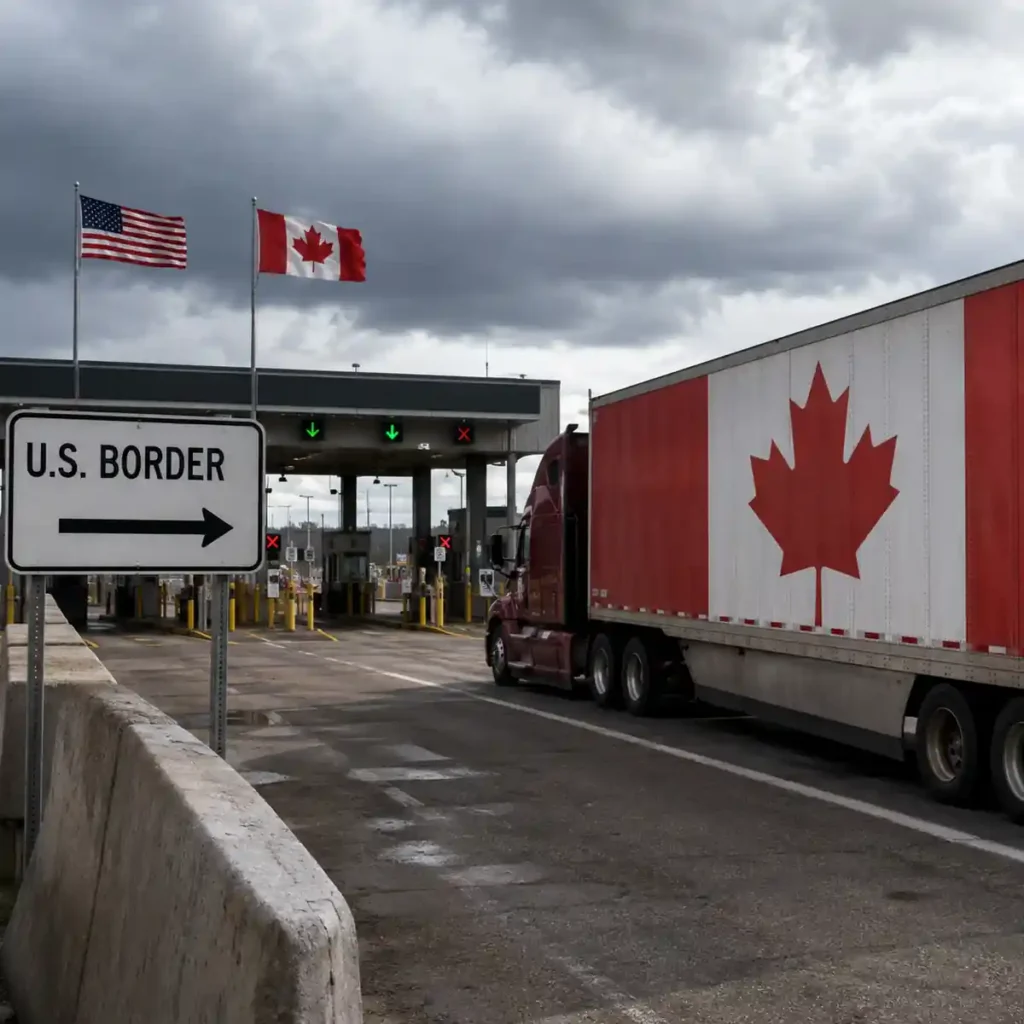

The United States began imposing new 50% tariffs on a wide range of Canadian products on Saturday, August 22, 2026, after last-minute negotiations between Washington and Ottawa ended without a trade agreement.
The measures affect roughly C$28 billion in Canadian exports annually, about 5% of Canada’s exports to the United States. Despite being organized around disputes involving automobiles, dairy and alcohol, the tariff lists extend into electronics, clothing, furniture, machinery and consumer goods.
Importantly, this is not a 50% tariff on everything Canada exports to the U.S. Whether a particular shipment is affected depends on the products and tariff classifications covered by the new measures.
Why did the tariffs start August 22?
The tariffs were originally due to take effect August 19. President Donald Trump granted a three-day extension while the two governments tried to reach an agreement. The temporary reprieve followed Trump’s decision to delay the 50% Canada tariffs as negotiations continued.
By late Friday, however, the talks had broken down. Prime Minister Mark Carney said the U.S. was asking too much while offering too little, while U.S. Trade Representative Jamieson Greer gave a different account, saying Canada would not finalize terms Washington believed had been negotiated.
Why did Trump impose 50% tariffs on Canada?
The Trump administration has raised objections to Canadian policies involving U.S. alcoholic beverages, dairy-market access and American-made vehicles. The question of whether U.S. alcohol would return to Canadian store shelves had become one of the major issues in the negotiations.
The Office of the U.S. Trade Representative said Trump invoked Section 338 of the Tariff Act of 1930, which can authorize duties of up to 50% in response to discriminatory treatment of U.S. commerce.
Full list: What Canadian products are affected?
The tariff actions cover hundreds of specific classifications. Major products and categories include:
- Dairy and food: milk, cream, whey, milk proteins, casein, lactose, glucose, fructose, sugars, molasses, honey, baker’s mixes and bitters.
- Drinks: beer, wine, liquor, cider, other fermented beverages and non-alcoholic beer.
- Plants and natural products: orchids, flower buds, seeds, tubers, mosses, lichens, feathers, certain animal materials and peppermint or grapefruit essential oils.
- Wood and paper: densified wood, wooden tableware, marquetry, bamboo goods, skewers, ice cream sticks, basketwork, plywood, fibreboard, paper, wallpaper, binders and pulp products.
- Clothing and textiles: T-shirts, sweaters, trousers, dresses, gloves, coats, silk, yarn, carpets and certain synthetic wigs and false beards.
- Home and industrial goods: cement, candles, vinyl flooring, paints, varnishes, printing inks, kitchenware, furniture fittings, luggage, safes, locks and refrigeration equipment.
- Technology: smartphones, certain recording and semiconductor-containing devices, cameras, projectors, radar equipment, antennas and optical-fibre cables.
- Machinery: power tools, brewery machinery, vacuum cleaners and other specified equipment.
- Transport: motorcycles with engines of 800 cc or greater and certain floating docks, vessels and rafts.
- Sports and recreation: hockey equipment, ice skates, golf and gym equipment, fishing rods, swimming pools, toys, puzzles, models and video game consoles.
- Other goods: chandeliers, lamps, festival decorations, certain diamonds, gold and silver jewelry, paintings, sculptures, stamps, collectibles and specified antiques.
A broad category appearing above does not mean every product within it automatically faces the tariff. The exact customs classification matters.
Trump Visa Ban Struck Down: What Happens Now for 75 Countries?
Will prices rise by 50%?
Not necessarily. The tariff is generally collected from the U.S. importer when covered Canadian goods enter the country. Importers can absorb some of the cost, negotiate lower supplier prices, switch suppliers or pass part of the expense to customers.
Consumers could therefore see higher prices on some affected goods, but a 50% tariff does not automatically produce a 50% retail price increase.
What happens to USMCA?
The U.S.-Mexico-Canada Agreement remains in force; the new tariffs do not terminate USMCA. However, businesses should not assume USMCA status alone removes these Section 338 duties from a product specifically covered by the new measures.
Canada plans dollar-for-dollar retaliation
Carney said Canada will respond on a dollar-for-dollar basis. Canadian retaliatory tariffs are scheduled to begin September 8, 2026, with sectors expected to include steel, dairy, appliances, agricultural equipment, pulp and paper, and electronics.
The next key development will be Canada’s detailed retaliation list. Businesses will also be watching for changes to U.S. tariff rules and whether Washington and Ottawa return to negotiations before September 8.

Make Swikblog your go-to source on Google for reliable updates, smart insights, and daily trends.