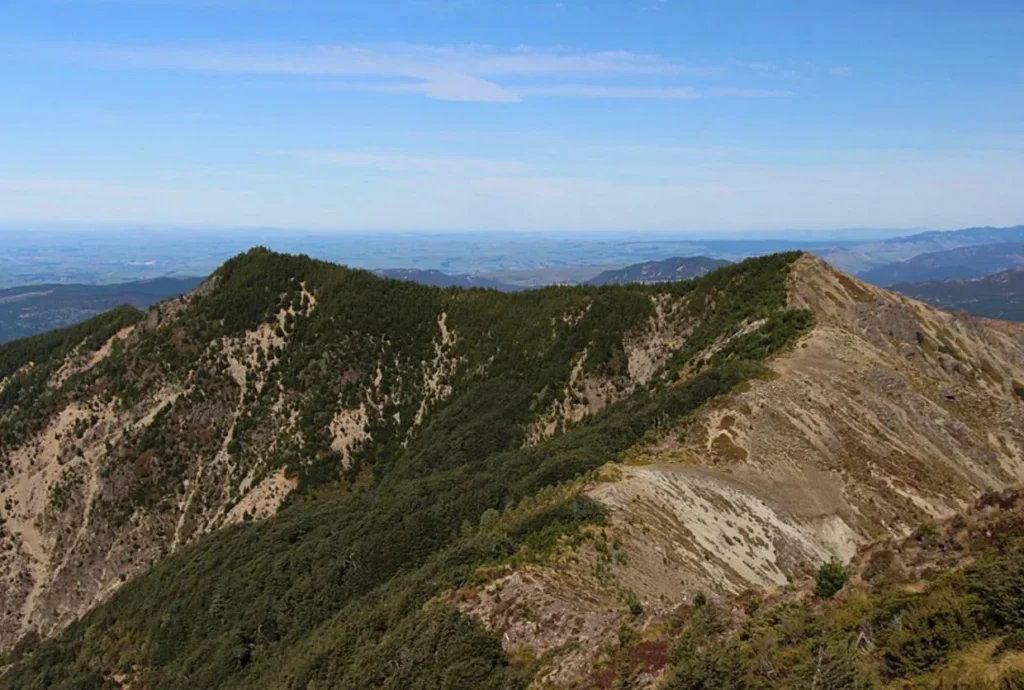

HAWKE’S BAY, New Zealand — What was meant to be a short afternoon hike became an overnight emergency for a mother and her three children after the woman was injured in Kaweka Forest Park and could no longer walk.
The family was eventually found by search-and-rescue personnel and airlifted from the Hawke’s Bay backcountry. Police said the three children were unhurt, while a personal locator beacon (PLB) carried by the family played a crucial role in helping authorities find them.
Husband raised the alarm when family failed to return
The mother had entered Kaweka Forest Park with her three children over the weekend when she suffered an injury during the outing.
At about 5.45pm on Sunday, her husband contacted police because the family was overdue. Attempts to call his wife were unsuccessful because the calls were not connecting.
With the mother and children still somewhere in the remote park, the Rescue Coordination Centre tasked Police Search and Rescue personnel with finding them. Authorities also prepared for a possible air evacuation.
A PLB gave rescuers the breakthrough they needed
The family’s emergency equipment became central to the operation. An activated personal locator beacon allowed police to establish contact with the woman and helped searchers accurately determine where the group was located.
According to the New Zealand Police account of the rescue, the beacon was integral to locating the family.
The case illustrates an important limitation for people heading into the backcountry: carrying a mobile phone does not guarantee that help can be contacted. In this incident, the husband could not reach his wife through ordinary phone calls, while the PLB provided another emergency connection.
Nepal Tunnel Rescue: Two Workers Found Alive After 9 Days
Pleasurewood Hills Rollercoaster Rescue in Lowestoft: What Happened
Five rescuers entered Kaweka Forest Park on foot
Police deployed five Search and Rescue members on foot to reach the family.
When the team arrived, the mother and children were reported to be in good spirits. All three children were unhurt, but their mother was unable to walk because of her injury.
Police have not disclosed what caused the injury or provided details about its severity.
Why wasn’t the family immediately airlifted?
The rescue continued overnight after the ground team reached the family.
The mother, her children and the SAR personnel spent the night in a nearby hut. The family was then airlifted out on Monday afternoon.
Authorities have not publicly identified the hut or provided the precise location in Kaweka Forest Park where the group was found.
From afternoon hike to airlift: how the rescue unfolded
Sunday afternoon: The mother and three children set out on a short hike. During the outing, the woman is injured and becomes unable to walk.
5.45pm Sunday: Her husband contacts police after the family fails to return and his calls do not connect.
Sunday evening: Police SAR is tasked with locating the group. The family’s PLB is activated, helping authorities establish contact and determine their location.
Later Sunday: Five rescuers head into the park on foot and reach the family. The three children are found unhurt.
Overnight: The family and rescuers stay in a nearby hut.
Monday afternoon: The mother and her three children are airlifted from Kaweka Forest Park.
Police warning for anyone planning a short hike
Hawke’s Bay Area Commander Inspector Caroline Martin highlighted the family’s decision to carry a locator beacon and urged people to take appropriate emergency equipment into remote areas regardless of how short they expect their trip to be.
Police recommend equipment such as a PLB and satellite communication device because mobile phone service may be unavailable in isolated locations.
The role of emergency beacons has been demonstrated in other New Zealand wilderness operations. A West Coast tramping emergency involving a locator beacon similarly showed why alternative emergency communication can matter when hikers are beyond reliable phone coverage.
Remote terrain can create additional challenges for emergency services across New Zealand. The recent Milford Sound earthquake and South Island emergency response also highlighted the difficulties that isolation and limited access can create when assistance is required.
What police have not revealed
The identities and ages of the mother and children have not been released. Police have also not disclosed where the family lives, exactly where the woman was injured or what caused her injury.
It is also unclear whether the mother was taken to hospital after being airlifted, and no detailed update on her medical condition has been made public.
For now, authorities have confirmed the key outcome: the three children were unharmed, the injured mother was successfully reached, and all four family members were safely removed from Kaweka Forest Park after the overnight operation.

Make Swikblog your go-to source on Google for reliable updates, smart insights, and daily trends.