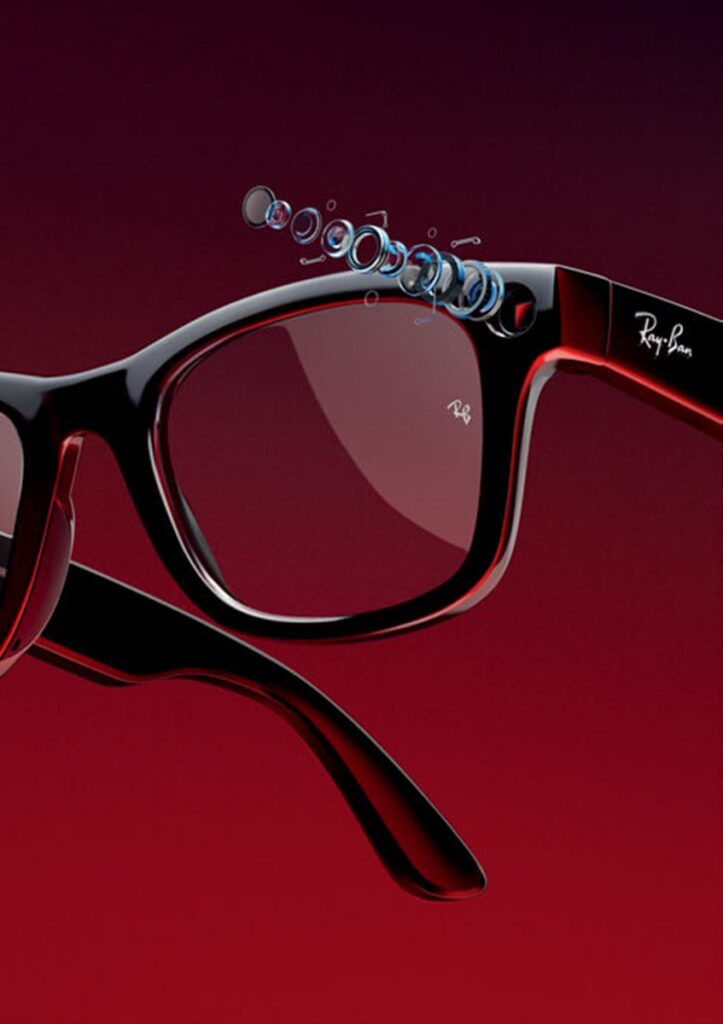

Meta is facing a major privacy lawsuit over its Ray-Ban smart glasses, with more than 70 people alleging that the devices captured highly sensitive moments — including sexual activity, bathroom use and passwords — and that some footage was later viewed by human contractors.
The case, In re Meta AI Glasses Litigation, is being heard in the U.S. District Court for the Northern District of California. A recent federal court order confirms that more than 70 individuals are plaintiffs in the proposed litigation.
The allegations have intensified scrutiny of how Meta’s AI-powered glasses collect, process and potentially expose data, particularly when people around the wearer may not realise that a camera or microphone is active.
What does the Meta Ray-Ban glasses lawsuit allege?
According to the lawsuit, people using Meta’s AI glasses — as well as relatives, partners and other bystanders — were allegedly recorded during highly private situations.
Plaintiffs claim footage included people undressing, using bathrooms, having sex and entering passwords. They further allege that some of this material was transmitted through Meta’s systems and could later be reviewed by overseas contractors involved in data labelling and artificial intelligence development.
The sensitivity of the allegations became clearer during proceedings in California federal court. Forty-six plaintiffs sought permission to proceed using pseudonyms rather than their real names.
Their lawyers said the group included people allegedly captured during sexual intimacy, minors allegedly recorded nude while bathing or changing clothes, and parents whose private conversations concerning children’s medical issues were allegedly recorded.
Public documents from the case can be viewed through the U.S. federal court filing published by Justia.
Judge Edward M. Chen allowed most of the plaintiffs seeking anonymity to proceed under pseudonyms, although several named plaintiffs faced different disclosure requirements.
The lawsuit does not simply claim that every pair of Ray-Ban Meta glasses constantly records everything around the wearer. A significant part of the dispute instead concerns what happens when Meta’s artificial intelligence features are activated and whether consumers were adequately informed about how the resulting data could be handled.
The complaint alleges that activating Meta AI, including through the “Hey Meta” voice command, can result in audio, video or images being sent to Meta’s servers for processing.
Plaintiffs also allege there are circumstances in which the system can be activated unintentionally, raising a separate question about what happens when somebody standing near the wearer has never agreed to be recorded.
Why human AI reviewers are at the centre of the controversy
One of the most significant issues in the case concerns the role of human data reviewers.
Workers connected to data-annotation operations in Nairobi, Kenya, reportedly reviewed images and video associated with Meta’s smart-glasses technology while carrying out tasks designed to improve AI systems.
Earlier investigations said some reviewers encountered extremely sensitive footage, including nudity, bathroom scenes and sexual activity.
The controversy became more serious because workers reportedly claimed anonymisation systems did not always obscure people’s faces as intended.
Meta, however, has maintained that privacy protections are used when data is processed and that identifying information is filtered before material is made available for certain review processes.
The company’s broader privacy information for its wearable products can be found through the Meta smart glasses privacy and legal information page.
The allegations against Meta remain allegations and have not been proven at trial. That distinction is important as the litigation moves through the federal court system.
At the same time, the case highlights a problem that extends beyond Meta itself: smart glasses increasingly resemble conventional eyewear even though they can contain cameras, microphones and artificial intelligence capabilities.
Ray-Ban Meta glasses include an outward-facing LED intended to signal when the camera is being used. Meta has also introduced measures designed to discourage users from covering or disabling that indicator.
But the lawsuit raises a different question: whether a person standing in front of someone wearing smart glasses fully understands not only that recording might be taking place, but also where that recording could eventually go.
The debate comes as AI companies face wider scrutiny over how human reviewers interact with information submitted to artificial intelligence systems.
In a separate technology development, Salesforce users recently faced major disruption during Dreamforce, another example of how heavily businesses and consumers now depend on cloud-based and AI-connected platforms.
For Meta, however, the Ray-Ban litigation could have much broader implications because the dispute involves something considerably more personal than a conventional online interaction: a device capable of seeing and hearing the physical world around its wearer.
The central issue is therefore likely to remain consent. A person buying smart glasses may accept Meta’s terms, but someone sitting beside that person in a bedroom, bathroom, home or public place may never have agreed to participate in an AI interaction at all.
As the California case continues, the court could provide greater clarity on how existing privacy and consent laws apply to a new generation of wearable AI devices.
For now, more than 70 plaintiffs are pursuing claims against Meta, while the allegations concerning private recordings and human review remain subject to ongoing litigation.

Make Swikblog your go-to source on Google for reliable updates, smart insights, and daily trends.