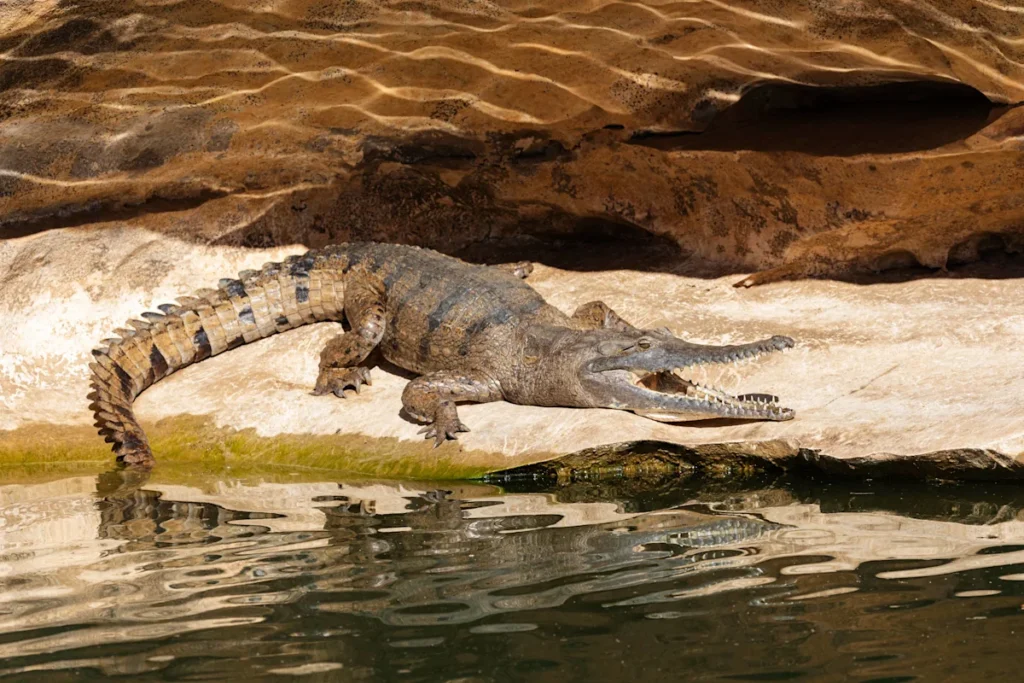

Brisbane 2032 has cleared Rockhampton’s Fitzroy River to host Olympic and Paralympic rowing and canoe events, giving athletes a confirmed competition course after months of debate over crocodiles, currents, flooding and whether the natural waterway could deliver fair racing.
From @TheAthletic: A crocodile-inhabited river in Australia has been chosen as a venue for rowing and canoeing events at the 2032 Olympic Games in Brisbane. https://t.co/GCgp7clZXi
— The New York Times (@nytimes) September 18, 2026
The Fitzroy, around 600 kilometres north of Brisbane, will host Olympic rowing, para rowing, canoe sprint and para canoe. The International Olympic Committee has backed the Rockhampton location, while World Rowing and Paddle Worldwide have endorsed findings from an independent technical assessment.
Fitzroy passes Olympic racing test
The assessment examined the riverbed, water levels, flows, wind, waves, weather, flood risks and operation of the Fitzroy Barrage. On-water testing and modelling were also used to determine whether athletes competing in different lanes could race under sufficiently consistent conditions.
World Rowing president Jean-Christophe Rolland said the extensive analysis showed the Fitzroy could provide fair competition during the Games period in line with Olympic and Paralympic rowing requirements.
In its official Brisbane 2032 statement, World Rowing said the proposed course can deliver a “safe, fair and consistent field of play.”
The Games course will be approximately two kilometres long and located upstream of the Fitzroy Barrage. Officials say the project will not require the river to be widened or dredged.
The ‘500 crocodiles’ claim needs context
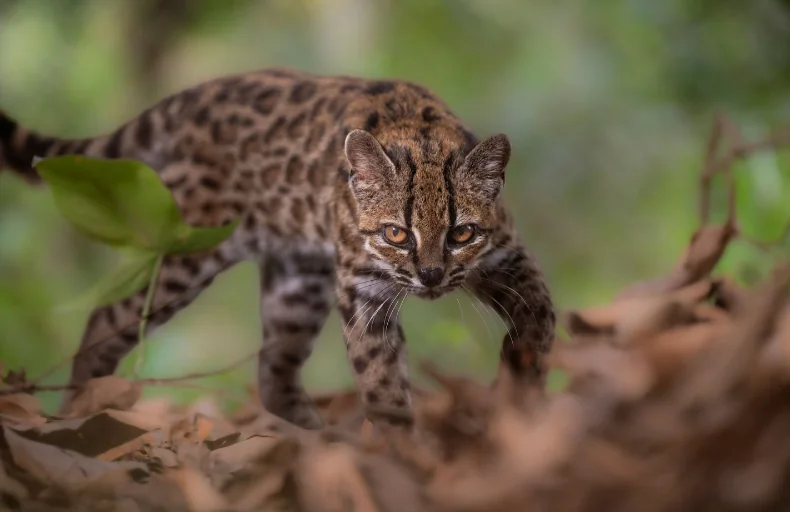
Crocodiles have dominated international coverage of the decision, but claims that the Fitzroy contains about 500 crocodiles are not supported by a published official river-wide count.
ABC reported that Queensland government modelling from 2019 estimated crocodile density around Rockhampton at about 0.2 animals per kilometre. Applying that figure across the roughly 480-kilometre Fitzroy would equal about 96, although that calculation is not an official population estimate.
Crocodile specialist John Lever told ABC he believed the actual figure was closer to 50.
The risk is nevertheless real enough to require planning. A four-metre crocodile was reported in a Fitzroy water-sports area in 2023, while other crocodiles have previously been identified upstream of the barrage.
A crocodile sighting can halt competition
Rowing is already established on the Fitzroy. The river hosts school racing and has been used for Australian team training camps.
Existing regatta procedures provide a glimpse of how wildlife risks are managed. If a crocodile is spotted during competition, an alert is issued and racing is suspended while officials assess the danger.
Up to 800 athletes are expected at the Rowing Queensland Schools’ Championship Regatta on the river this weekend, demonstrating that competitive rowing is not new to the venue.
Queensland’s environment department has said there is no documented negative interaction between people and crocodiles in the Rockhampton region. Experts, however, differ over how much risk crocodiles pose to water sports in their habitat.
London Left Out? UK Eyes North England for Future Olympic Games
Connor Hellebuyck: Presidential Medal of Freedom and Olympic Gold in 2026
Currents and lane fairness were key concerns
For rowers, the bigger sporting question has been whether a natural river can provide equal conditions across every lane.
Rainfall across the Fitzroy’s huge catchment can change flows, while wind, waves and water levels can influence racing. Those factors were central to the independent assessment that ultimately supported Rockhampton.
The decision follows earlier uncertainty over the venue. An infrastructure review had favoured the Sydney International Regatta Centre at Penrith, which staged rowing at the Sydney 2000 Olympics, before Queensland pursued further testing of the Fitzroy.
Australia’s Olympic planning comes as preparations also accelerate for the Los Angeles 2028 Olympics, the Summer Games immediately before Brisbane.
Venue approval does not end the work
The complete independent technical assessment had not been publicly released as of September 19. World Rowing and the other governing bodies have also said further technical details, facilities and service levels must be confirmed through the next validation stage.
Rockhampton faces another challenge away from the water. Regional tourism officials have previously estimated that around 1,200 additional short-term accommodation rooms will be needed by 2032 to meet projected demand even before Olympic visitors are fully factored in.
Detailed design, spectator facilities, boating infrastructure, flood resilience, athlete services and crocodile-management measures will therefore remain on Brisbane 2032’s agenda.
The Fitzroy decision also strengthens Australia’s growing calendar of major international sporting ambitions, alongside discussion around a possible Australian 2050 FIFA World Cup bid.

Make Swikblog your go-to source on Google for reliable updates, smart insights, and daily trends.