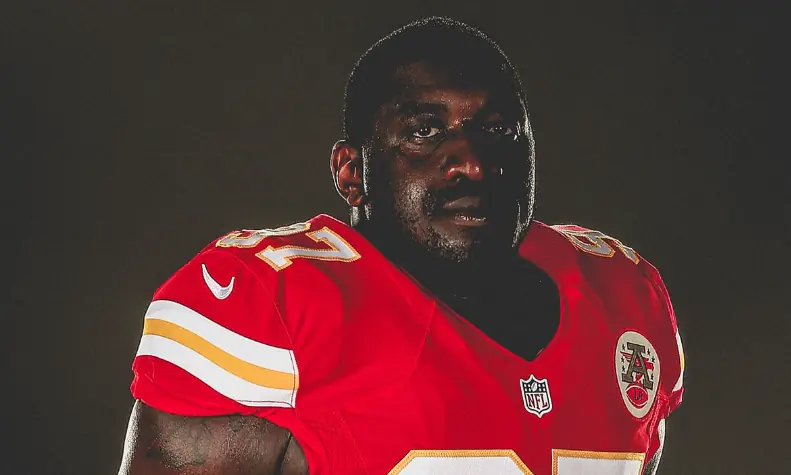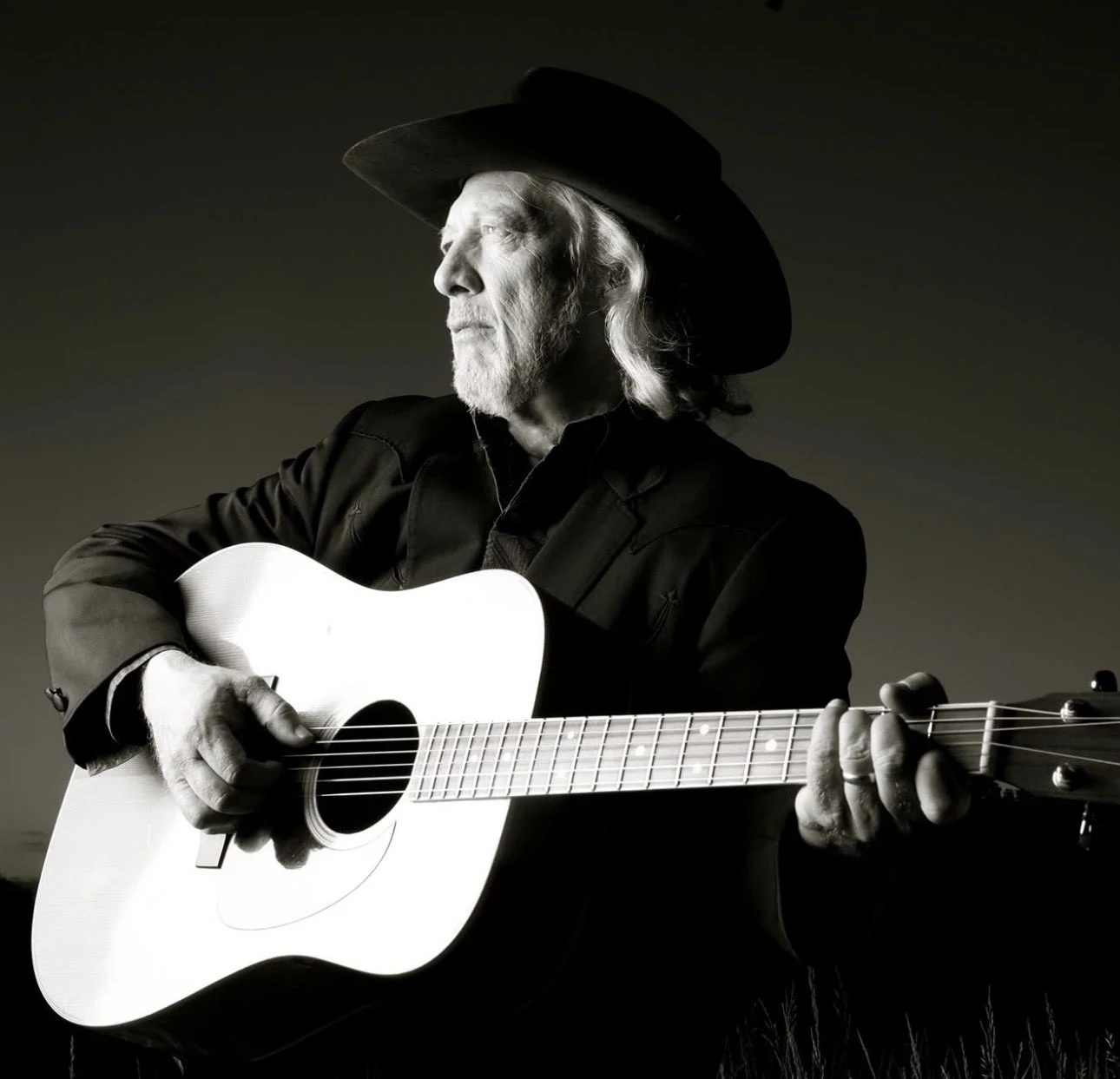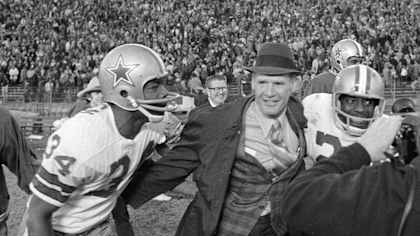

Cornell Green arrived at Dallas Cowboys training camp with a basketball future waiting for him. He had been drafted into the NBA, had never played college football and expected his experiment with another sport to be brief. Instead, he stayed for 13 seasons, never missed a game and helped the Cowboys win their first Super Bowl.
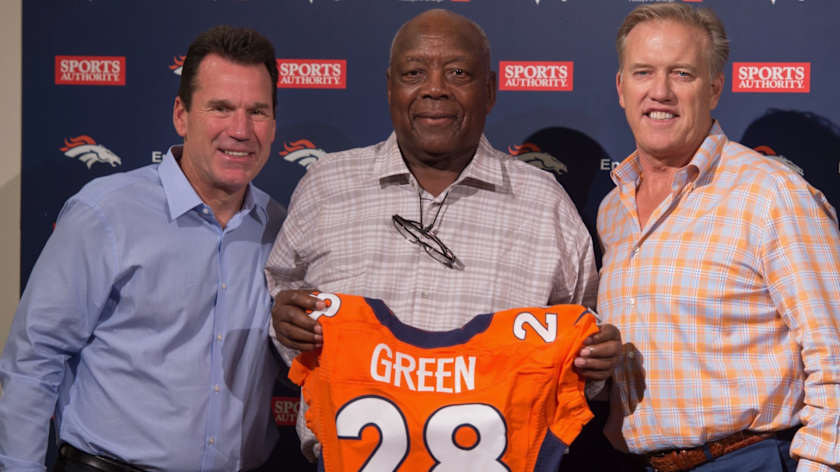
Green, a five-time Pro Bowl defensive back and member of the original “Doomsday Defense,” died on Wednesday, October 21, aged 86. The Cowboys confirmed his death. No cause of death has been announced.
In their announcement, the Cowboys described him as “a true trailblazer,” remembering an athlete whose unlikely introduction to professional football became one of the franchise’s most enduring success stories.
His career extended well beyond the years he wore a Dallas uniform. After learning to read quarterbacks and receivers, Green spent decades evaluating young players, becoming a respected scout for the Cowboys and Denver Broncos.
From a college basketball standout to the Doomsday Defense
Green grew up in California, where basketball established his reputation. He earned all-state recognition at El Cerrito High School and Contra Costa College before transferring to Utah State. According to the Cowboys’ historical account, his football experience before joining Dallas amounted to one season as a high-school junior.
At Utah State, the 6-foot-4 forward became a two-time basketball All-American and earned All-Skyline recognition in each of his three seasons. He finished with 1,890 points and 1,067 rebounds, a career rebounding total the university still lists as its record.
His 403 rebounds during the 1959–60 season also remain a school record. He scored 745 points in his final season in 1962 and helped Utah State reach the 1960 National Invitation Tournament and the 1962 NCAA Tournament.
The Chicago Zephyrs selected him in the fifth round of the 1962 NBA draft. Dallas, however, saw possibilities beyond the basketball court. Personnel chief Gil Brandt’s willingness to recruit athletes from other sports helped bring Green to Cowboys camp.
Longtime NFL writer Rick Gosselin later recounted that Green expected to collect $1,000, spend a week or two trying football and get cut before reporting to basketball camp. He never got cut. The NBA career he had anticipated never began.
Green started three games as a rookie, then established himself in the Dallas secondary. In 1963, his first season as a full-time starter, he intercepted seven passes.
Across his career from 1962 through 1974, he appeared in all 182 regular-season games and made 170 starts. After his rookie season, he started 167 of a possible 168 games.
His first eight seasons were spent at cornerback. He earned Pro Bowl selections in 1965, 1966 and 1967, alongside Associated Press first-team All-Pro honors in 1966 and 1967.
A move to safety in 1970 brought another successful chapter. Gosselin’s account connects the change to fellow defensive back Mike Gaechter’s career-ending Achilles injury. Green earned further Pro Bowl selections in 1971 and 1972.
He played in two NFL Championship Games and Super Bowls V and VI. Dallas secured its first Super Bowl championship with a 24–3 victory over the Miami Dolphins in Super Bowl VI, completing the 1971 season.
In its tribute to Green, Dallas revisited former teammate Calvin Hill’s praise for his contribution against Miami receiver Paul Warfield. Charlie Waters, speaking previously for a Cowboys documentary, also remembered the respect Green commanded among the defensive players.
Green retired with 34 regular-season interceptions, returning them for 552 yards and two touchdowns. He recovered seven fumbles and returned two of those for touchdowns, giving him four defensive scores in regular-season play.
A family connection to baseball history and a second career finding talent
There was another sporting pioneer in Green’s family. His older brother, Pumpsie Green, became the Boston Red Sox’s first Black player in 1959. Cornell’s achievements in football and Pumpsie’s place in baseball history gave the brothers distinct legacies across American sport.
Cornell’s work as a talent evaluator began unusually early. In 1970, while still playing for Dallas, he started scouting during the offseason. Retirement from the field allowed that work to become a full-time occupation.
In 1987, former Cowboys teammate Dan Reeves contacted him about joining Denver. Broncos historian Jim Saccomano later explained that their friendship stretched back to Dallas, where their lockers had been beside each other.
By the time Green retired around the conclusion of the 2015 NFL draft, Denver credited him with 35 years of NFL scouting experience, including 28 with the Broncos. He received the Fritz Pollard Alliance’s 2010 AFC Scout of the Year award.
His football career had taken him away from basketball, but the sport continued to honor him. Utah State inducted him into its Athletics Hall of Fame in 1993, followed by induction into the State of Utah Basketball Hall of Fame in 2001.
Green also retained a dry confidence about his playing days. Saccomano recalled asking how many additional seasons he should have received Pro Bowl recognition. Green answered: “All the others.”
His long second career offers another perspective on a football life: the influence that continues through evaluating and developing players. Swikblog’s account of Chuck Amato’s career and the players he helped send to the NFL explores that lasting contribution from the coaching side.
An older Broncos media guide identified Green’s wife as Betty and their children as Randy and Ronney. Those historical details have not been confirmed as a current surviving-family announcement.
Green’s story began with a gifted basketball player accepting an unfamiliar challenge. It grew into a championship career, 13 seasons without a missed game and decades spent helping other players find their own place in professional football.

Make Swikblog your go-to source on Google for reliable updates, smart insights, and daily trends.