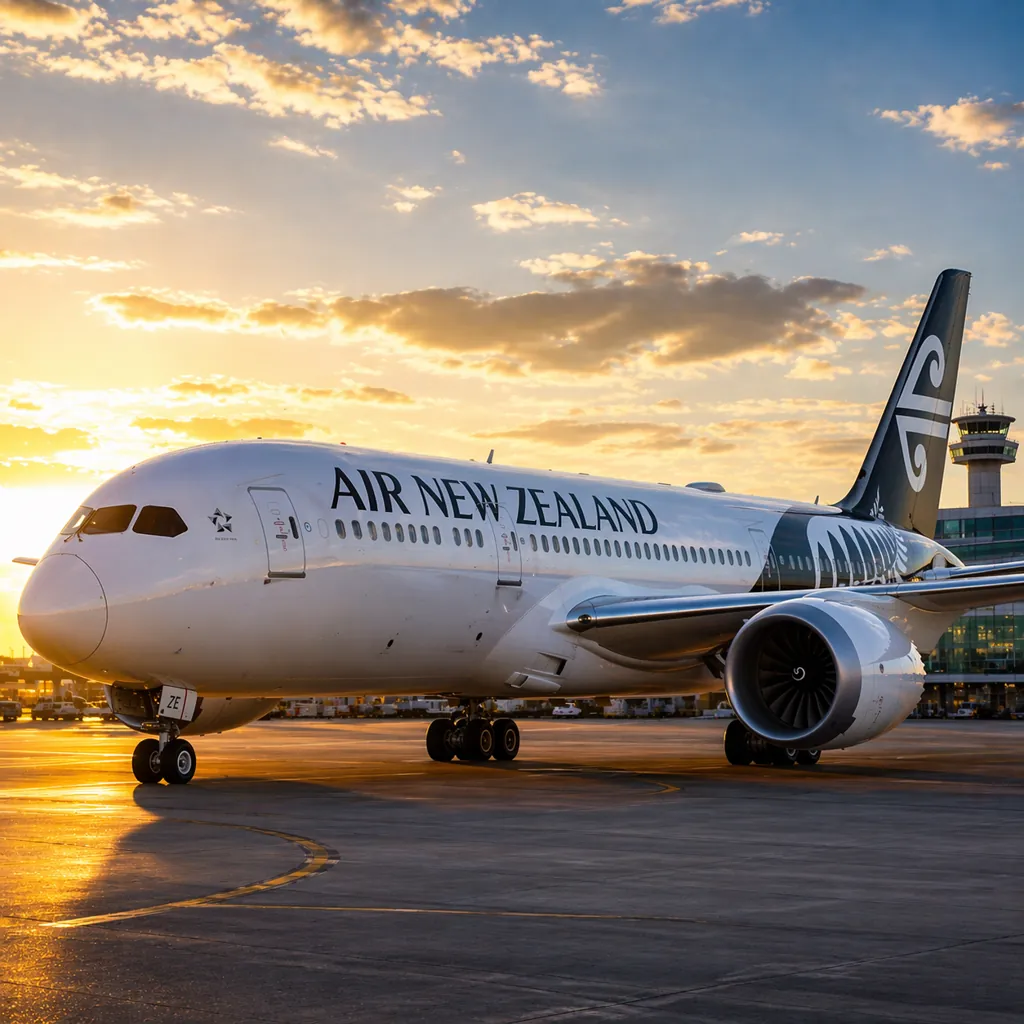

Air New Zealand is closing the chapter on one of the most familiar names in New Zealand travel rewards. The airline has confirmed that Airpoints, its long-running loyalty programme, is being rebranded as Koru, a move that reshapes the way millions of members will see and use the scheme while keeping its basic reward mechanics in place.
For regular travellers, the headline is simple: the name is changing, but the points they have already built up are not disappearing. Existing Airpoints Dollars will remain in use, members will still earn Status Points, and current balances will transfer into the revamped programme. Even so, this is more than a cosmetic update. Air New Zealand is using the switch to present Koru as a cleaner, more modern loyalty platform built around clearer benefits, easier tier recognition and a stronger emotional connection to the airline’s brand.
The change arrives at a time when airlines are under pressure to make loyalty programmes easier to understand and more relevant to the way people actually spend. In recent years, travel rewards schemes have become far more than a perk for frequent flyers. They now sit at the centre of how airlines encourage repeat bookings, maintain customer attachment and compete for wallet share in everyday spending. The International Air Transport Association has repeatedly pointed to loyalty as one of the most important tools airlines have for building long-term customer relationships, especially as competition and customer expectations intensify.
Why Air New Zealand Is Moving Beyond Airpoints
Airpoints had the advantage of being well known. For years, the name was part of the routine vocabulary of New Zealand travellers, particularly those who regularly flew for business or saved rewards for family holidays. That sort of recognition is valuable, which makes replacing it a bold decision. But Air New Zealand is clearly betting that familiarity alone is no longer enough.
According to the airline, member feedback played a central role in shaping the new direction. The message from customers was that the programme needed to feel simpler, more relevant and easier to follow. That may sound modest, but in loyalty, small frustrations matter. If travellers struggle to understand what status means, what benefits they are unlocking or how much value they are really getting, engagement drops quickly.
Koru is Air New Zealand’s answer to that problem. The rebrand gives the airline a chance to reframe the programme around a stronger identity while smoothing out some of the complexity that can make airline rewards feel abstract or overly transactional. The airline is also leaning into the symbolism of the word Koru, which is closely associated with renewal, growth and connection. That positioning allows the programme to feel more rooted in Air New Zealand’s wider identity rather than sitting beside it as a separate label.
What Members Will Actually Notice
The most important practical detail is continuity. Customers will not need to start from scratch. Their accumulated Airpoints Dollars and Status Points will carry across, and existing status levels will be mapped into equivalent Koru tiers. A member holding Gold status, for example, will move into Koru Gold rather than facing any reset or uncertainty about where they stand.
That continuity matters because loyalty schemes rely heavily on trust. Travellers are willing to keep spending into a programme only when they believe the rules will remain fair and the value they have already earned will be protected. By keeping the currency in place and preserving balances, Air New Zealand is trying to reassure members that Koru is a refresh, not a wipeout.
Where travellers may feel the difference is in the presentation of tiers and benefits. The new structure is designed to make progress more visible and rewards easier to understand. Air New Zealand has also introduced a new top tier, Koru Black, for its most frequent travellers. That move is significant because premium loyalty is increasingly about recognition as much as redemption. Top-tier travellers do not just want points; they want treatment that reflects how often they choose the airline.
Koru Black is meant to do exactly that, with added upgrades, extra rewards and a feature that allows benefits to be shared through Koru Circle. That is a clever shift in emphasis. Air travel may be individual in the moment, but the routines around it are often collective. Business travellers rely on support at home, and frequent flyers increasingly value flexibility they can pass on to partners or family members. By acknowledging that, Air New Zealand is trying to make loyalty feel more personal rather than purely transactional.
The Wider Business Context Behind the Rebrand
The decision also lands after a period of change around the broader Airpoints ecosystem. Last year, Kiwibank and Air New Zealand ended their partnership, bringing an end to Kiwibank’s Airpoints credit card offering. Kiwibank pointed to tighter regulation around interchange fees, a reminder that loyalty schemes are shaped not just by customer demand but also by the economics of payments, partnerships and regulation.
That backdrop matters because it shows why airlines are rethinking how loyalty works. Reward programmes are no longer just marketing tools. They are business systems that have to balance customer appeal with commercial sustainability. A rebrand gives Air New Zealand room to reset expectations and build a programme that can evolve as those financial pressures continue to change.
At the same time, the airline is widening the everyday value proposition. Members will still be able to earn through travel, but the push toward partner categories such as groceries, retail, fuel and financial services reinforces a familiar truth in modern loyalty: airlines want their programme to be part of everyday life, not something customers think about only when they book a seat.
The Opportunity and the Risk for Air NZ
There is no guarantee that a new name automatically creates a better programme. One risk for Air New Zealand is that Airpoints already had recognition that took years to build. Dropping that label creates an opportunity to modernise, but it also means surrendering some of the equity that came with a familiar brand.
That is especially relevant because many travellers already associate “Koru” with the airline’s lounge experience. For some customers, that could strengthen the premium feel of the programme. For others, it may create confusion in the early stages, especially if they continue to think of Koru primarily as a lounge concept rather than the umbrella name for the whole loyalty scheme.
Still, the airline’s strategy is understandable. Most loyalty programmes do not win customers on financial value alone. Their real power lies in habit, perceived reward and the subtle friction they create against switching to a rival. If Koru makes the programme easier to follow and more rewarding to engage with emotionally, Air New Zealand may strengthen that effect even without radically changing the underlying economics.
For travellers, the immediate takeaway is reassuring: their points remain, their status carries over and the overall structure is still recognisable. The bigger test will come later. If Koru delivers clearer benefits, stronger high-tier recognition and more useful ways to earn and share rewards, the rebrand could end up feeling like a smart reset. If not, many members may see it as a new name attached to the same old system. For now, Air New Zealand has made its bet that a familiar programme needed a fresh identity to stay competitive.
You may like: Rare Night Parrot Detected in Queensland, Raising Hope for New Population

Make Swikblog your go-to source on Google for reliable updates, smart insights, and daily trends.