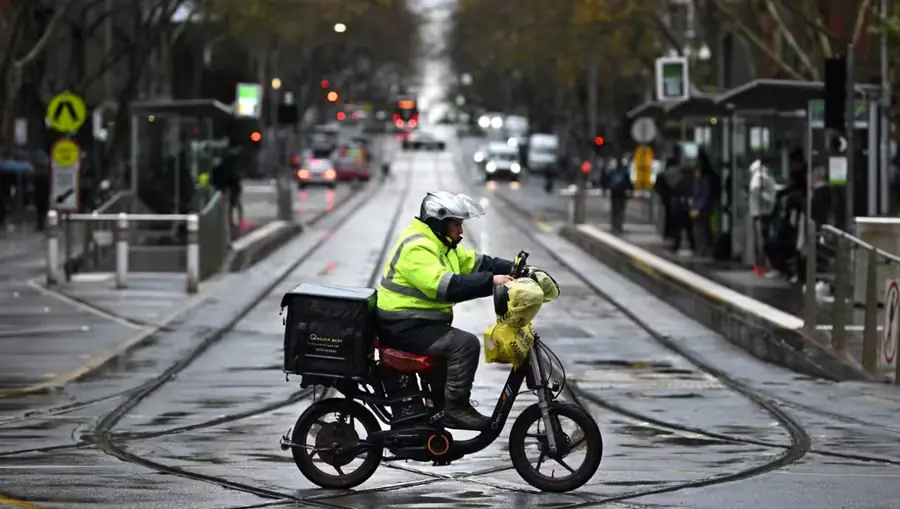

Australia is introducing a new minimum pay and protection framework for eligible on-demand delivery workers, with food and grocery couriers set to receive an earnings floor of between $31.30 and $32 an hour from Monday, 17 August 2026.
The Fair Work Commission order applies to employee-like workers who use digital platforms such as Uber Eats and DoorDash to deliver food, beverages, liquor or supermarket groceries. The changes combine minimum earnings with personal accident insurance, clearer dispute procedures and a right to take unpaid time away.
The Transport Workers’ Union says hundreds of thousands of delivery workers could be affected, making the order a major change for Australia’s gig economy after years of debate over pay, flexibility and worker protections.
How the $31.30 to $32 earnings floor works
The rate depends on the vehicle used. Eligible bicycle and e-bike couriers will have a $31.30 hourly floor, motorbike riders will receive $31.80 an hour, and car drivers will have a rate of $32 an hour.
The key detail is that these rates apply to engaged time, generally from accepting an order until completing the delivery. Time spent logged into an app while waiting for another job is not automatically covered by the hourly floor.
Platforms can calculate a worker’s eligible earnings across a period of up to 21 days. If earnings fall below the required floor for that period, the platform must pay a top-up to make up the shortfall.
This is different from a conventional employee wage. Australia separately lifted the national minimum wage to $26.44 an hour in 2026, but the national minimum wage and the gig-worker earnings floor apply under different workplace arrangements.
The new order follows an application first lodged in 2024. Uber Eats and DoorDash later agreed to a draft framework during the Fair Work Commission process. Earlier reporting on the proposed minimum pay framework for Australian food delivery drivers shows how the plan developed before the final August start date was confirmed.
Insurance, disputes and unpaid time away
Pay is only one part of the new standard. Digital labour platforms must fund and maintain personal accident insurance for covered employee-like workers, providing protection for injuries suffered while performing delivery work.
Drivers and riders remain responsible for compulsory third-party insurance for vehicles they use and must tell their insurer when a vehicle is being used for delivery work where required.
Platforms will also establish a feedback forum so workers can raise questions or concerns. If a dispute cannot be resolved directly, it may be referred to the Fair Work Commission. Eligible couriers can also choose to take unpaid time away from platform work.
The Fair Work Commission’s regulated worker case page provides the official documents and background behind the minimum standards process.
For workers, the headline rate still needs context. Fuel, maintenance, tax, vehicle costs and periods spent waiting between accepted jobs can reduce actual take-home income. The $32 figure therefore should not be read as a guarantee of $32 for every hour a driver is online.
What the change means for drivers and customers
The new framework also marks a shift in the industry’s position. In 2023, Uber warned that gig-economy reforms could lead to major job losses, while DoorDash cited a worst-case scenario in which delivery prices could increase sharply. Both companies later worked with the TWU on the standards.
Employment and Workplace Relations Minister Amanda Rishworth has described the order as an important step toward stronger protections without removing the flexibility many delivery workers value. TWU national secretary Michael Kaine has called the standards “world-leading”.
For customers, the effect on delivery fees remains uncertain. Platforms will face additional pay and insurance costs, but there is no verified basis yet for predicting a specific increase in charges. From 17 August, the clearest change is for eligible couriers: a defined engaged-time earnings floor, platform-funded accident insurance and a formal pathway for workplace concerns.

Make Swikblog your go-to source on Google for reliable updates, smart insights, and daily trends.