
Written by James Carter
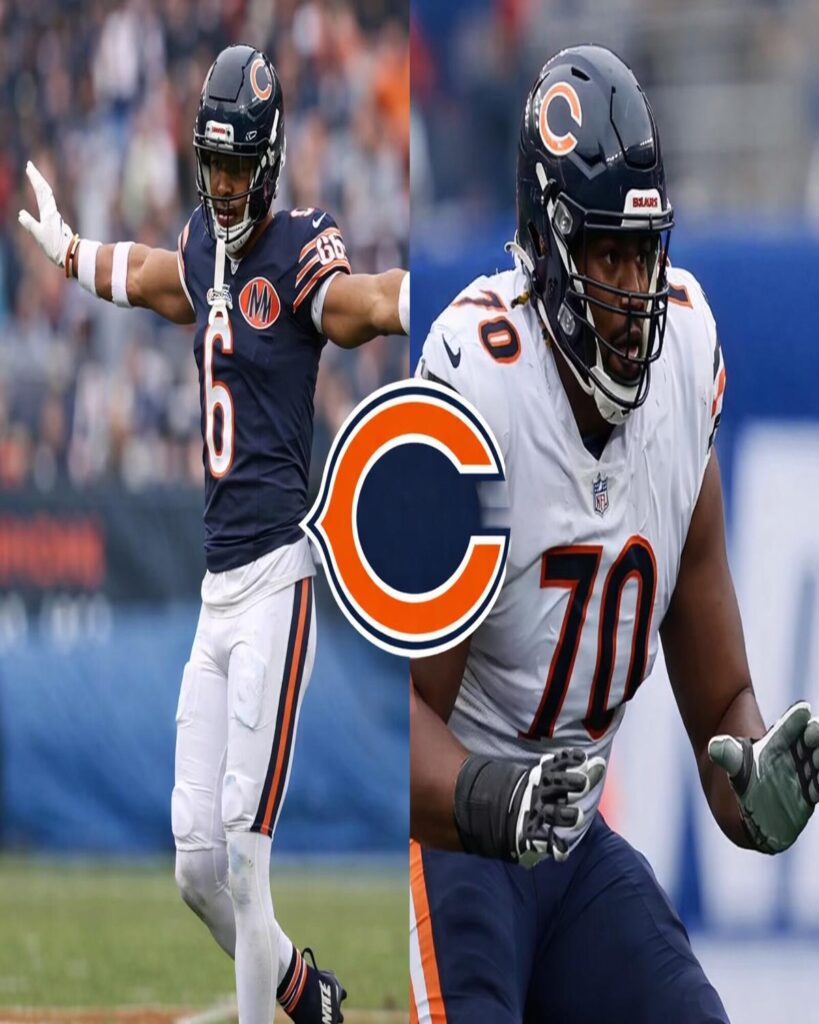
The Chicago Bears have taken the first formal step toward getting two key starters back on the field, designating cornerback Kyler Gordon and offensive tackle Braxton Jones for return and opening their 21-day practice windows. It’s a procedural move — but an important one — because it starts a clock with real roster consequences.
In simple terms: both players can practice again, and the team now has up to 21 days to decide whether to activate them to the 53-man roster. If the Bears don’t activate them before the window closes, each player stays on injured reserve for the remainder of the season.
What “Designated to Return” Really Means
“Designated to return” is not the same as “activated.” It’s a roster mechanism that allows a player on injured reserve to:
- Rejoin practice without counting against the active roster.
- Be evaluated in live sessions (individual drills → team periods → full participation).
- Move through a ramp-up progression that’s often as much about conditioning and tolerance as it is about medical clearance.
The paperwork triggers the 21-day timeline under league rules. You can read the formal framework in the NFL roster rules overview, which breaks down injured reserve, activations, and related roster moves.
The 21-Day Clock: What the Bears Must Decide
Once the window opens, the Bears’ staff has three practical checkpoints:
- Practice readiness: Can the player handle consecutive sessions and higher-intensity reps without setbacks? Teams often look for a steady workload progression rather than a single “good day.”
- Functional role: Is the player ready to take a full game assignment? For a defensive back, that can mean matching route combinations, communicating coverage checks, and tackling in space; for a tackle, it means anchoring vs speed-to-power and handling twists/stunts.
- Roster math: Activating a player requires a corresponding move (waive/release, place someone else on IR, or shift a player to another list if eligible).
That last piece is where these moves become “technical.” Even if both are physically ready, the Bears still need to create space. Late-season roster decisions often come down to special teams roles, depth at key positions, and who can dress on game day.
Why Kyler Gordon’s Return Changes the Defense
Gordon isn’t just “a cornerback.” He’s the type of player defensive coordinators rely on for the hardest assignments — especially in today’s NFL, where slot receivers and motion-heavy concepts stress the middle of the field.
- Slot leverage and matchups: When healthy, Gordon gives Chicago a more reliable answer against quick separators inside.
- Pressure packages: Slot corners are often featured in simulated pressure looks. A DB who can blitz, replace, and recover expands the playbook.
- Communication: Nickel defenses rely on rapid checks versus bunches, stacks, and motion. Getting a trusted communicator back reduces coverage bust risk.
Even if Gordon returns on a snap count initially, his presence can allow the Bears to be more aggressive with disguise and disguise-to-pressure looks — the kind of structural advantage that doesn’t show up as a single stat but affects an entire game plan.
Braxton Jones: The O-Line Domino Effect
On offense, the return of Braxton Jones impacts more than just left tackle. Offensive lines are interconnected: one injury can force multiple position changes, which can reduce continuity — especially on passing downs.
- Pass protection structure: A stable LT helps keep the protection plan cleaner (fewer chip requirements, fewer forced slide protections).
- Twists and games: Most NFL pressures aren’t “one guy wins” — they’re stunts and exchanges. Familiarity and reps matter.
- Run game timing: Outside zone and wide runs depend on edge angles and timing; tackle play can change the entire efficiency profile.
If Jones returns, it can also improve the Bears’ ability to keep tight ends and backs in their intended roles (routes, motion, misdirection) instead of using them as constant help in protection.
What to Watch in Practice Reports
The next few practice reports will matter more than the headline announcement. Here’s what signals a real return:
- Back-to-back participation: Not just “limited” once — multiple sessions in a row.
- Team reps: Moving from individual drills into 7-on-7 and full team periods.
- Position-specific stress: For Gordon: change-of-direction, press-to-trail technique, tackling in space. For Jones: one-on-one pass rush sets, anchor vs bull rush, and stunt pickups.
- Recovery response: How the body responds the day after a heavier workload.
The Bottom Line
The Bears opening the 21-day windows for Kyler Gordon and Braxton Jones is more than “good news” — it’s a concrete roster step with a defined timeline. If both progress through practice without setbacks, Chicago could get a meaningful boost in two areas that tend to decide close games: coverage in the slot and edge protection.
Now the key question is the same for both players: do the next practices show they’re ready to return as full contributors — or will the Bears treat this as a longer ramp to protect them for the stretch run?

Make Swikblog your go-to source on Google for reliable updates, smart insights, and daily trends.