
By Swikblog
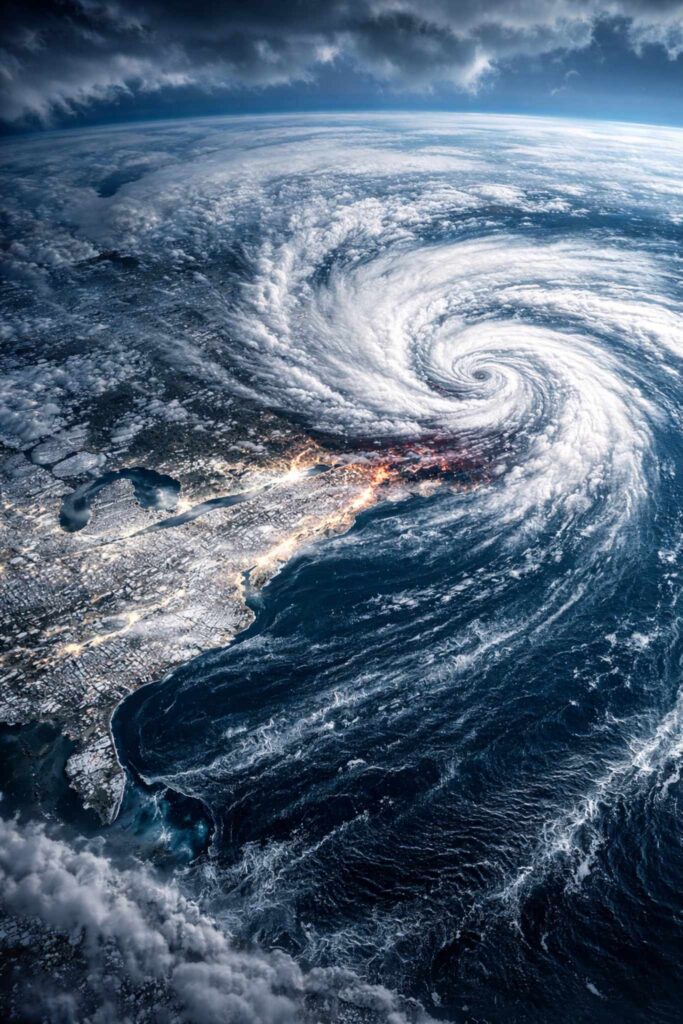
A high-impact winter setup is grabbing attention along the U.S. East Coast, with forecasters watching for a rapidly strengthening coastal storm that could evolve into a classic Nor’easter over the weekend. The phrase “bomb cyclone” is popping up in headlines for a reason: it signals the potential for a storm to intensify quickly, raising the odds of a sharp jump in wind, heavier precipitation bands, and fast-changing travel conditions.
If you’re in the Mid-Atlantic or Northeast, the biggest takeaway is simple: the exact track is still the story, and small shifts can mean the difference between plowable snow, a cold rain, or a messy mix that turns roads slick in a hurry. That uncertainty is also what drives search spikes—people aren’t just looking for “storm news,” they’re trying to figure out what happens in their neighborhood, on their highway, and at their airport.
So what does “bomb cyclone” actually mean? It’s not a separate kind of storm, and it doesn’t automatically guarantee blizzard conditions. It’s a nickname for a process called bombogenesis—when a storm’s central pressure drops rapidly over a short period, indicating quick strengthening. NOAA explains that bombogenesis is essentially rapid intensification over roughly a 24-hour window, which often corresponds to stronger winds and more organized, impactful weather. NOAA’s bombogenesis explainer is one of the clearest references if you want the plain-language definition.
In this weekend’s setup, the ocean is a key ingredient. A developing low offshore can feed on the temperature contrast between cold air over land and milder air over the Atlantic. As the storm tightens, the pressure difference increases—and that’s when winds can ramp up quickly. Even if snowfall amounts vary by city, wind-driven impacts can be widespread: drifting snow, reduced visibility, coastal surf, and power-line stress where gusts peak.
Here are the impact questions most readers actually care about right now:
- Will it be snow or rain where I live? The rain-snow line can wobble with track changes, especially near the I-95 corridor.
- When do conditions worsen? Coastal storms often “turn on” fast—one or two stronger bands can flip roads from fine to hazardous.
- How bad could the wind get? A tighter storm means stronger gusts, which can be as disruptive as snowfall totals.
- What about coastal flooding? Onshore wind and high tides can elevate flood risk even if inland totals underperform.
For the Northeast, one of the most common “make or break” factors is where the storm consolidates and how close it tracks to the coast. A track that hugs the shoreline can push warmer air inland and reduce snow totals near the immediate coast—while boosting heavy rain and wind. A track farther offshore can keep colder air locked in, raising the chance for heavier snow bands in parts of New England and interior sections of the Mid-Atlantic. In either case, the busiest travel windows can be affected if heavier precipitation lines up with weekend departures and returns.
If you’re planning to drive, the most dangerous period is often not the “biggest number” in a forecast graphic—it’s the first few hours when precipitation begins and pavement temperatures are still dropping. That’s when untreated bridges, ramps, and overpasses can glaze quickly. For flyers, the key is not only snowfall at your destination but wind, de-icing delays, and the ripple effect through hubs. Coastal wind events can create schedule chaos even when runway accumulations are modest.
If you want to prepare without overreacting, keep it simple. Charge devices, make sure you have essentials for 24 hours, and double-check plans that depend on precise timing—especially if you’re traveling between regions with different precipitation types. If your area has been hit recently, don’t assume cleanup equals safety: packed snow can refreeze overnight, and gusty winds can reintroduce drifting even after plows pass.
The forecast will sharpen as the weekend gets closer, and updates can change quickly once the storm begins to organize offshore. If you’re following along, watch for official local alerts, school or transit announcements, and updated timing windows rather than getting stuck on one early snow map. For continuing coverage and explainers written for everyday readers, you can also keep an eye on Swikblog weather updates as new details come into focus.
Bottom line: this is the kind of East Coast storm that can escalate quickly once it locks onto a track. Whether your biggest issue ends up being snow totals, wind-driven outages, or travel disruption, the smartest move is to stay flexible, check updates often, and plan for rapid shifts—because that’s exactly how Nor’easters like to behave.

Make Swikblog your go-to source on Google for reliable updates, smart insights, and daily trends.