
By Swikblog News Desk
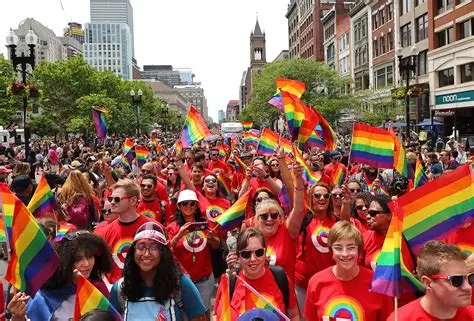
Boston Pride 2026 brought thousands of people into the heart of the city on Saturday as the annual Pride for the People Parade returned with a message that extended beyond celebration. Organizers expected around 12,000 participants representing nearly 300 organizations, making it one of the largest LGBTQ+ events in New England and one of Boston’s biggest public gatherings of the year.
The event began at 11 a.m. at Copley Square before winding through Back Bay and the South End along a nearly two-mile route. The parade concluded on Charles Street between Boston Common and the Public Garden, where attendees joined a day-long festival and concert featuring community organizations, performers and local advocates.
While Pride parades have long been associated with celebration and visibility, this year’s event placed a stronger focus on activism. Organizers chose the theme “Pride as Protest Since 1776” to highlight the movement’s roots in advocacy and civil rights. The theme also connected with broader conversations taking place across the country about equality, freedom and representation.
For many participants, the theme reflected both progress and unfinished work. Organizers said Pride remains an opportunity to celebrate achievements while drawing attention to challenges that continue to affect LGBTQ+ communities. Throughout the route, marchers carried banners supporting inclusion, equality and community visibility.
Why the Theme Resonated in 2026
The choice of “Pride as Protest Since 1776” gave this year’s parade a distinct identity. Rather than focusing solely on festivities, organizers encouraged attendees to remember the role activism has played in advancing LGBTQ+ rights over the decades. The message also aligned with ongoing national discussions surrounding civil liberties and equal treatment.
Boston’s Pride celebration has evolved significantly over the years and now stands as one of the region’s most recognizable annual events. Nearly 60 years after the city’s earliest Pride gatherings, the parade continues to attract participants from advocacy groups, businesses, educational institutions and community organizations across Massachusetts and beyond.
Parade Route, Festival and Traffic Impacts
The parade route began in Copley Square before moving through several major streets in Back Bay and the South End. Because of the large turnout, city officials warned residents and visitors to expect temporary road closures, parking restrictions and traffic delays throughout the day.
Public transportation was strongly encouraged for attendees traveling to the parade or festival. Areas surrounding Boston Common, the Public Garden and nearby downtown streets experienced heavy pedestrian traffic as spectators gathered along the route and later moved toward the festival grounds.
The celebration extended beyond the parade itself. Boston Common hosted an all-ages festival and concert, creating a central gathering place for families, supporters and members of the LGBTQ+ community. According to Boston Pride for the People, the volunteer-led organization behind the event, the festival was designed to bring together entertainment, community engagement and educational resources in a welcoming environment.
This year’s event was also held one week earlier than usual. Organizers adjusted the schedule to accommodate FIFA World Cup activities planned for Boston the following weekend, helping avoid conflicts between two major events expected to attract large crowds.
Massachusetts Governor Maura Healey marked Pride Month by emphasizing the state’s longstanding support for personal freedom, including the freedom to speak openly, live authentically and love who you choose. Her remarks echoed the spirit seen throughout Saturday’s celebrations.
Read More
Managing an event of this scale requires extensive planning for transportation, security and public safety. Similar preparations are seen during the city’s St. Patrick’s Day Parade route and celebrations, which also draw large crowds into downtown Boston each year.
As thousands of people marched through Boston carrying rainbow flags, signs and banners, the message of Pride 2026 remained clear: community visibility, equal rights and public engagement continue to be at the center of one of New England’s most significant annual celebrations.

Make Swikblog your go-to source on Google for reliable updates, smart insights, and daily trends.