
OTTAWA, November 16, 2026 — Canada plans to provide up to 200,000 additional permanent residence (PR) spaces in 2027, potentially benefiting thousands of foreign workers, families and humanitarian applicants already living in the country.
The one-year measure, announced alongside Canada’s 2027–2029 Immigration Levels Plan, sits outside the regular annual target of 380,000 permanent residents. It could bring total admissions to approximately 580,000 in 2027 if the additional spaces are fully used.
However, the government says the initiative primarily involves people already living in Canada, rather than 200,000 new arrivals from overseas.
Who Qualifies for Canada’s 200,000 Extra PR Spaces?
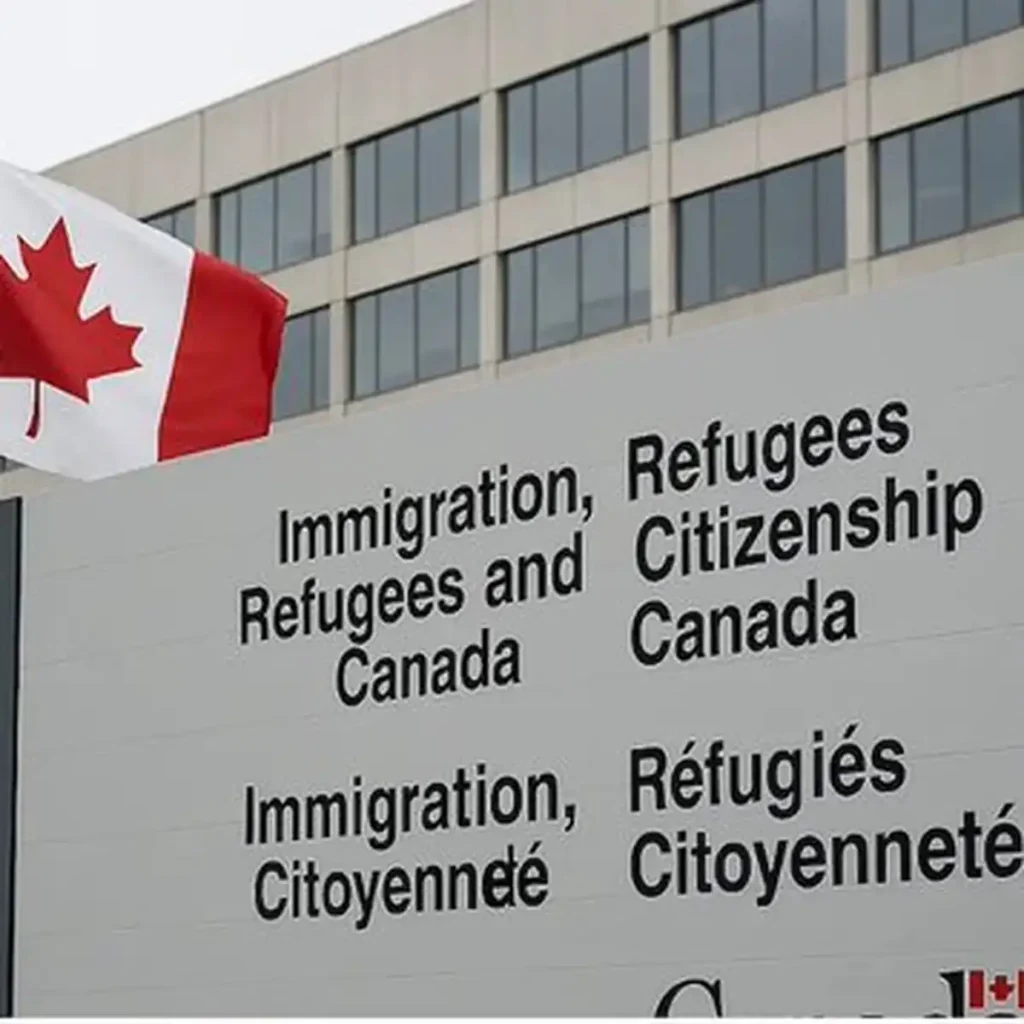
Immigration, Refugees and Citizenship Canada (IRCC) has divided the measure into two groups: up to 100,000 workers and eligible family members, and approximately 100,000 people covered by humanitarian and family-related measures.
| Eligible group | Maximum spaces |
|---|---|
| Workers and eligible families | 100,000 |
| Hong Kong pathway applicants | 32,000 |
| Ukrainian family reunification | 18,800 |
| Spouses, partners and children | 45,000 |
| Humanitarian and compassionate cases | 12,600 |
The individual category ceilings total 208,400, although Ottawa describes the overall initiative as covering up to 200,000 people. These figures are planning estimates, not guaranteed approvals.
100,000 Workers and Families Could Benefit
Up to 100,000 spaces will support eligible workers already living outside Quebec and their families. Provinces and territories will help identify applicants who meet regional labour market needs.
The measure includes provincial nomination opportunities and certain pending applications under the Atlantic Immigration Program, Start-up Visa Program, Self-Employed Persons Program, Agri-Food Pilot and caregiver pathways.
Workers considering other routes can review Canada’s Express Entry job-offer and LMIA rule changes, which affect how qualifying candidates are ranked.
Hong Kong and Ukrainian Applicants Face Key Deadlines
Canada aims to finalize remaining applications under two closed immigration pathways by the end of 2027.
Hong Kong: Up to 32,000 admissions are expected from pathways introduced in 2021 that closed to new applications on August 31, 2026.
Ukraine: Up to 18,800 admissions are anticipated under the family reunification pathway introduced in October 2023. Applications closed on October 22, 2024.
Toronto resident Felix Tong, who has waited more than two years for a PR decision, told CTV News that the announcement renewed his hopes of remaining in Canada rather than returning to Hong Kong.
Family Sponsorship and Humanitarian Cases Included
Another 45,000 spaces could benefit spouses, common-law partners and dependent children of Canadian citizens or permanent residents already living in Canada.
Up to 12,600 people previously found eligible on humanitarian and compassionate grounds are also included.
For certain spousal applications outside Quebec, officials hope to reduce processing times toward 12 months, although individual decisions are not guaranteed within that period.
The family measures are separate from Canada’s pause on new parent and grandparent sponsorship applications.
Could Canada Admit 580,000 Permanent Residents in 2027?
The regular PR target remains 380,000 annually through 2029. Adding the special 200,000-space measure produces a potential combined total of 580,000 admissions in 2027.
Vancouver immigration lawyer Richard Kurland has questioned how the additional admissions are presented alongside regular targets. Conservative immigration critic Michelle Rempel Garner has also criticized the increase.
The debate comes amid concerns about housing affordability, infrastructure and public services. Ottawa argues that granting PR to existing residents does not create the same population pressure as admitting new arrivals.
The government separately targets 220,000 new temporary workers and 150,000 international students annually from 2027 through 2029.
Do Applicants Need to Apply Again?
No new application is required solely for this measure. IRCC says eligible applicants with pending files do not need to contact the department. Closed Hong Kong and Ukrainian pathways will not reopen.
Applicants should monitor their IRCC accounts, keep contact information updated and respond to document requests. Work permit holders and international students are not automatically eligible.
Full eligibility information is available through the official Canadian government announcement.
The initiative is limited to 2027 and does not permanently raise Canada’s annual immigration target. Actual approvals will depend on individual eligibility and application processing.

Make Swikblog your go-to source on Google for reliable updates, smart insights, and daily trends.