
Canada has paused new applications under the Parents and Grandparents Program, leaving families outside the existing process unable to submit a fresh permanent residence sponsorship application.
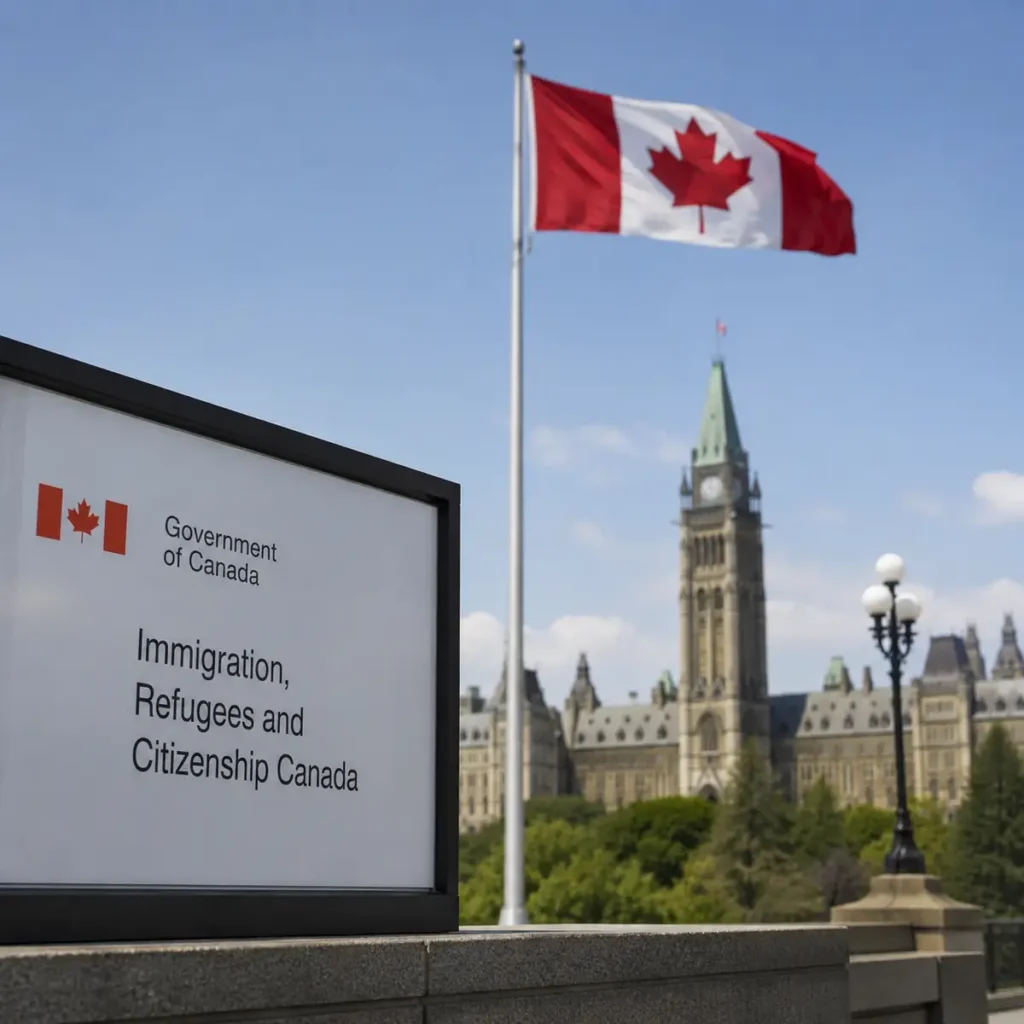
Immigration, Refugees and Citizenship Canada (IRCC) announced the change on July 15, 2026. No new interest-to-sponsor forms or invitations will be issued until further notice.
Existing applications remain active, and Canada plans to grant permanent residence to up to 15,000 parents and grandparents in 2026 using files already in its inventory.
- New PGP intake is paused indefinitely.
- No reopening date has been announced.
- Existing applications will continue to be processed.
- About 60,500 applications are reported to be in progress.
- The Super Visa remains available.
What has Canada paused?
The Parents and Grandparents Program, known as the PGP, allows eligible Canadian citizens, permanent residents and people registered under the Indian Act to sponsor qualifying parents or grandparents for permanent residence.
The program is invitation-based. Meeting the eligibility rules does not allow someone to apply immediately. A potential sponsor must first enter an authorized interest-to-sponsor pool and then receive an invitation from IRCC.
The July 15 decision stops both new registrations and invitations. The program has not been formally closed, but there is no confirmed 2026 intake or reopening date.
Who is affected?
The pause affects people who have not already submitted a complete PGP application, particularly those who missed the interest-to-sponsor pool opened in 2020.
More than 200,000 people registered during that intake. IRCC continued selecting potential sponsors from the 2020 pool in later years instead of opening a new one.
For the 2025 intake, IRCC planned to accept up to 10,000 complete applications from people selected from the remaining 2020 registrations. Anyone outside that pool cannot join it now.
Will existing applications be cancelled?
No. Previously submitted applications will continue through normal assessment. Applicants may receive requests for medical examinations, police certificates, biometrics, updated forms or additional proof of family relationships.
Sponsors must remain eligible, while parents and grandparents must pass health, security, criminality and other admissibility checks. A pending application is not guaranteed approval.
How long will processing take?
Recent estimates put processing at approximately 33 months outside Quebec and up to 66 months for Quebec cases. These figures can change and are not guaranteed completion deadlines.
Quebec has a separate provincial undertaking process. Sponsors living there must wait for IRCC’s instructions before submitting their undertaking application to Quebec authorities.
Why will 15,000 people still be admitted?
Receiving an application and granting permanent residence are separate stages. IRCC can stop adding new cases while finalizing files submitted in previous years.
Canada’s 2026–2028 Immigration Levels Plan targets 380,000 permanent resident admissions annually. Up to 15,000 admissions in 2026 are allocated to parents and grandparents already moving through the system.
Families exploring other permanent residence pathways can review Canada’s Express Entry selection process. Express Entry is separate from parental sponsorship and is not a replacement for the PGP.
Who normally qualifies as a sponsor?
A sponsor must be invited, be at least 18, live in Canada and hold Canadian citizenship, permanent residence or registered Indian status.
Sponsors must prove sufficient income and sign an undertaking to provide financial support. A spouse or common-law partner may co-sign so their incomes can be combined.
The undertaking lasts 20 years after the sponsored person becomes a permanent resident, or generally 10 years in Quebec. It continues even if the sponsor’s finances or relationship with the sponsored person change.
Can families use the Super Visa?
Yes. The Super Visa allows eligible parents and grandparents to stay in Canada for up to five years per entry. It may provide multiple entries for up to 10 years, with possible two-year extensions from inside Canada.
It is a temporary visa and does not provide permanent residence, work authorization, automatic public healthcare or a direct route to citizenship.
What changed for the Super Visa in 2026?
Income rules changed on March 31, 2026. A host may qualify using either of the two taxation years before the application. In some cases, income belonging to the visiting parent or grandparent may help cover a remaining shortfall.
Applicants must apply from outside Canada, complete a medical examination and provide proof of their relationship to the Canadian host.
Private insurance must be valid for at least one year, provide at least $100,000 in emergency coverage and include healthcare, hospitalization and repatriation. Coverage must come from a qualifying Canadian insurer or an eligible foreign insurer authorized to conduct insurance business in Canada.
What should families do now?
People without an invitation should not submit a PGP application or pay anyone claiming to guarantee a place. Existing applicants should monitor their accounts, keep contact details current and answer document requests promptly.
Before hiring a representative, families should understand Canada’s immigration consultant rules and applicant protections. A representative cannot reserve a place or bypass IRCC’s invitation process.
Any reopening date or revised intake system should be confirmed through the official IRCC program notice.

Make Swikblog your go-to source on Google for reliable updates, smart insights, and daily trends.