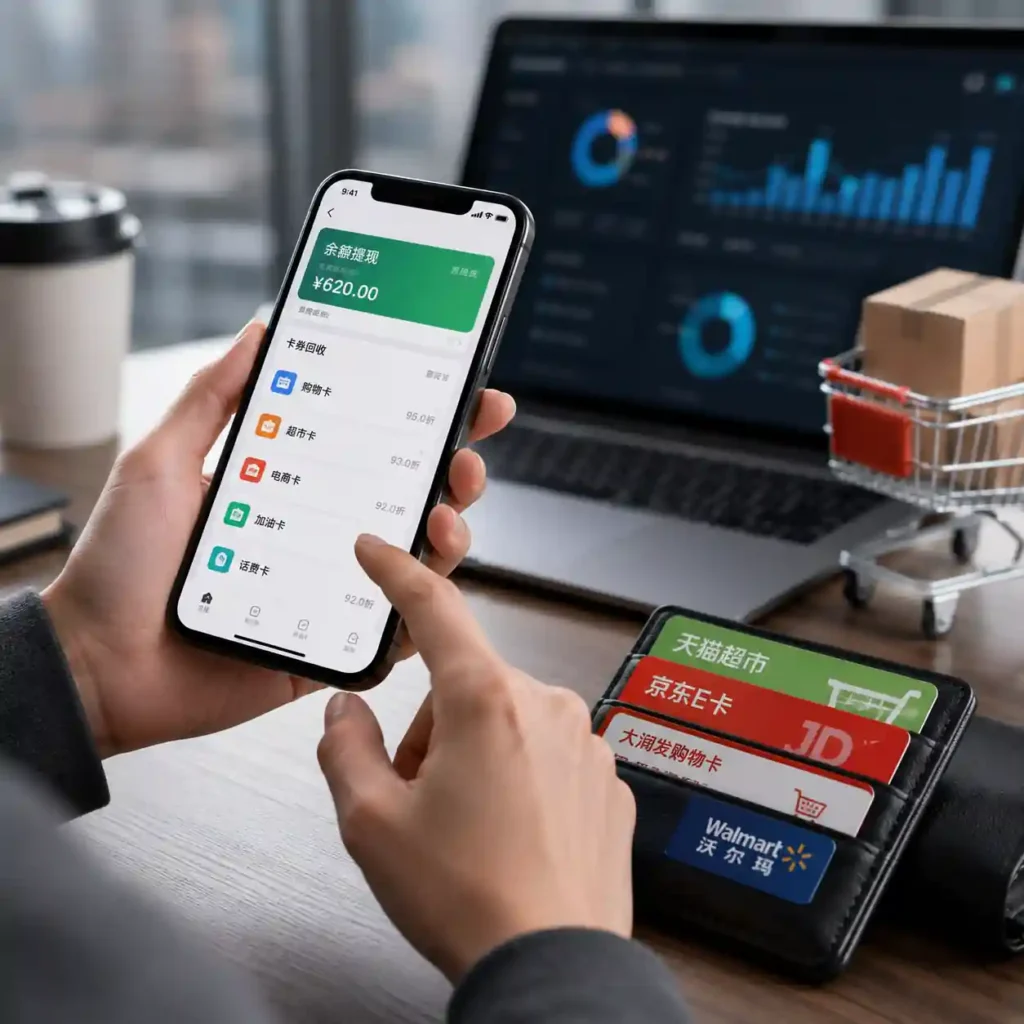

China’s gift card recycling market is emerging as one of the fastest-growing segments of the country’s digital consumer economy as millions of shoppers seek to unlock value from unused vouchers, prepaid cards and shopping credits. Industry estimates referenced in recent market reports suggest that the value of idle prepaid cards has surpassed ¥1.2 trillion, highlighting a massive pool of dormant consumer assets spread across e-commerce platforms, supermarkets and retail brands.
The rapid growth of digital commerce has transformed gift cards from occasional presents into a mainstream part of employee rewards, promotional campaigns, customer loyalty programs and holiday gifting. However, many recipients never fully use these cards. Some lose interest in the platform, while others simply forget about balances sitting in their digital wallets. As a result, a growing number of consumers are turning to card recycling services to convert unused balances into cash.
Recent industry data indicates that online supermarket vouchers represent a significant share of the idle prepaid card market, accounting for approximately 62% of unused card activity. Some popular digital supermarket card categories are estimated to have idle rates reaching 35%, reflecting how frequently consumers accumulate benefits that no longer align with their shopping habits.
Consumers Are Looking for Flexibility, Not Expiration Dates
The increasing popularity of gift card recycling reflects a broader shift in consumer behavior. Rather than allowing balances to expire, consumers are seeking flexible ways to recover value from assets they no longer intend to use. Whether the card originates from an e-commerce marketplace, a supermarket chain or a promotional reward program, users are increasingly viewing these balances as recoverable funds rather than fixed-store spending credits.
Technology has played a major role in accelerating this trend. Modern recycling platforms now utilize automated balance verification, digital risk management tools and real-time pricing systems that allow many transactions to be processed within minutes. This has significantly improved user confidence compared with the slower manual review processes that were common just a few years ago.
The trend also mirrors wider changes in spending behavior. Consumers are becoming more selective about where and how they spend money, often prioritizing flexibility and value. Similar shifts can be seen across the retail industry, where shoppers are adjusting purchasing habits in response to economic pressures and changing household budgets. Recent retail data showing stronger warehouse club traffic and evolving consumer preferences highlights these changes, as seen in Costco traffic jumps 3.1% as member shopping behavior shifts.
Growth Brings New Risks for Consumers
Despite the industry’s expansion, concerns around transparency and security remain. Consumer complaints across the broader card recycling sector often involve hidden fees, delayed settlements, unclear pricing structures and poor customer support. Fraud prevention has also become a major focus as scammers attempt to exploit users through private transactions and unauthorized collection of card credentials.
Industry observers note that consumers should pay close attention to fee disclosures, settlement timelines and platform verification processes before submitting card information. Extremely high advertised buyback rates can sometimes differ from the final payout if additional charges are introduced during processing.
Security experts also advise users to avoid sharing card numbers and passwords through personal messaging apps or unofficial channels. Once a balance is redeemed, recovering lost funds can be extremely difficult. Instead, consumers should use established platforms that clearly explain their procedures and provide accessible customer support.
The importance of understanding gift card terms and consumer protections is also emphasized by the Federal Trade Commission’s guidance on gift cards, which outlines key considerations related to expiration policies, fees and consumer rights.
Read More
Looking ahead, analysts expect the sector to continue evolving as artificial intelligence, automated verification systems and real-time pricing technologies become more sophisticated. The industry is increasingly moving toward greater transparency, faster settlements and stronger compliance standards as competition intensifies.
For consumers, the growing gift card recycling market offers a practical way to recover value from unused vouchers that might otherwise go to waste. As digital shopping continues to expand and prepaid card issuance rises, the ability to monetize dormant balances is likely to become an increasingly important part of the modern consumer finance landscape.

Make Swikblog your go-to source on Google for reliable updates, smart insights, and daily trends.